Part 4 – Cornwall
With the Gala over, we checked out of our Kidderminster lodgings and headed out for another long train ride. Mixing Deck, British Rail’s usually incredible electronic timetable, steered us along a somewhat odd route, using suburban trains to take short cuts rather than pointing us to Birmingham New Street for our choice of expresses. As they say, getting there is half the fun!
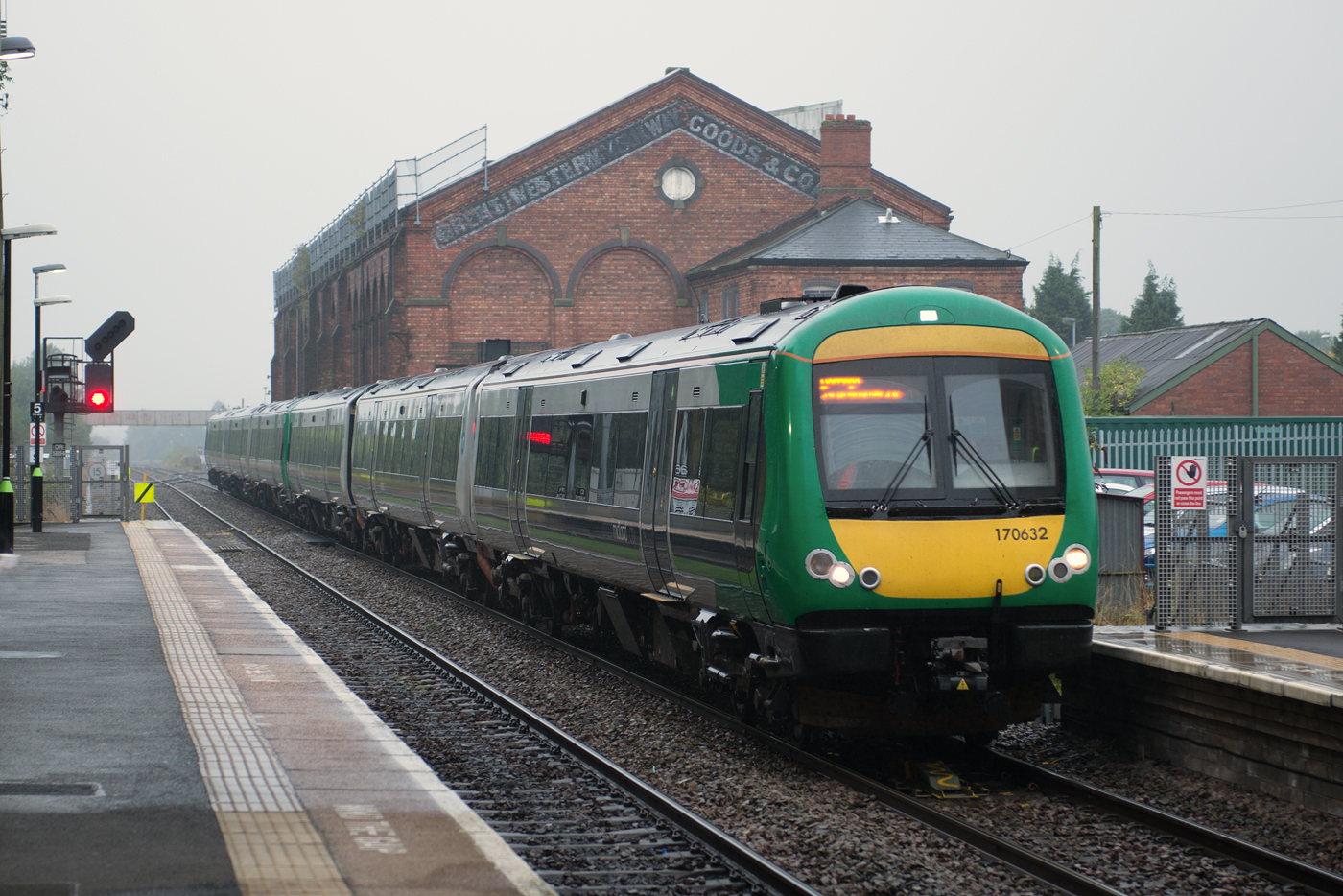
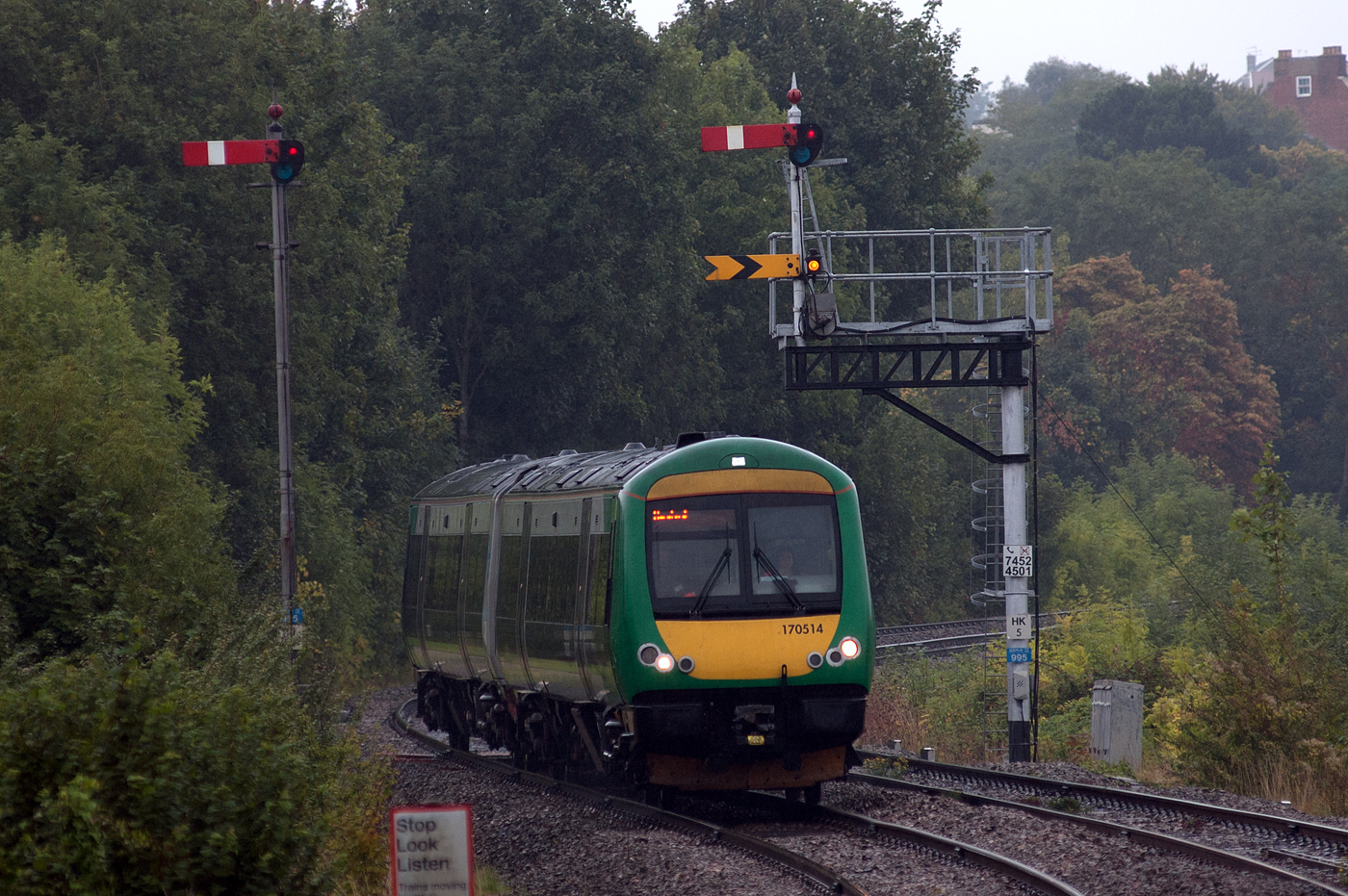
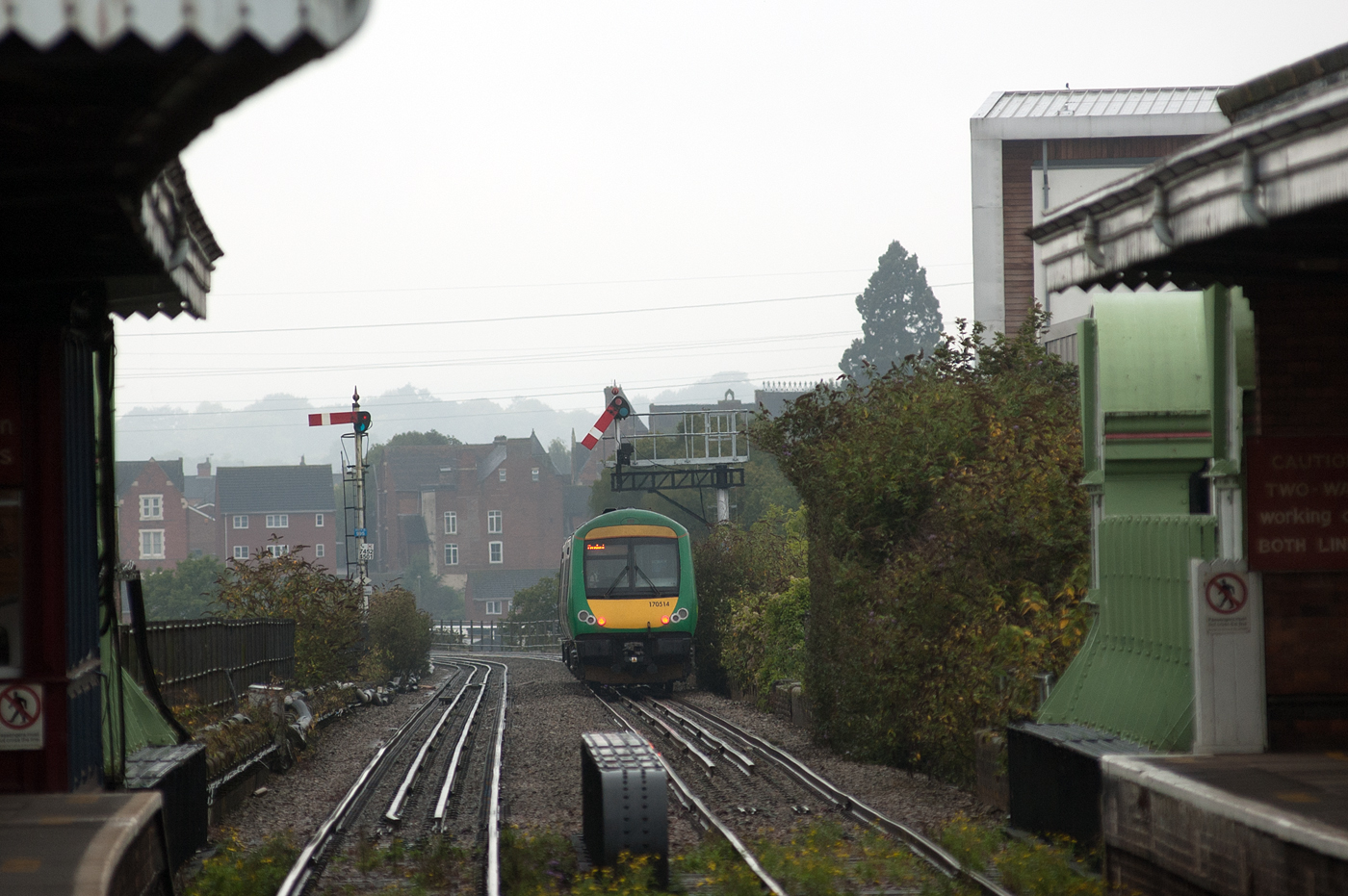
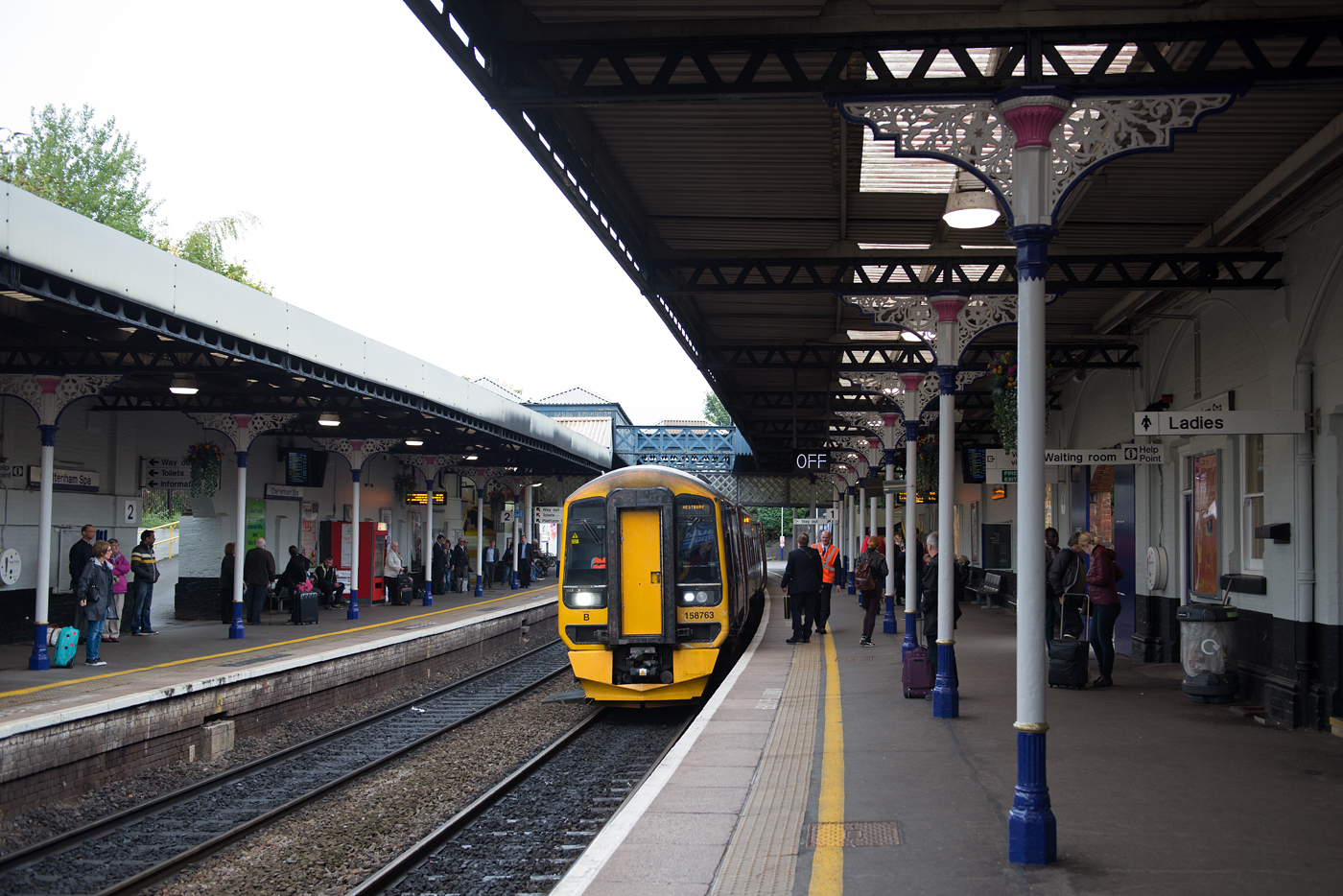
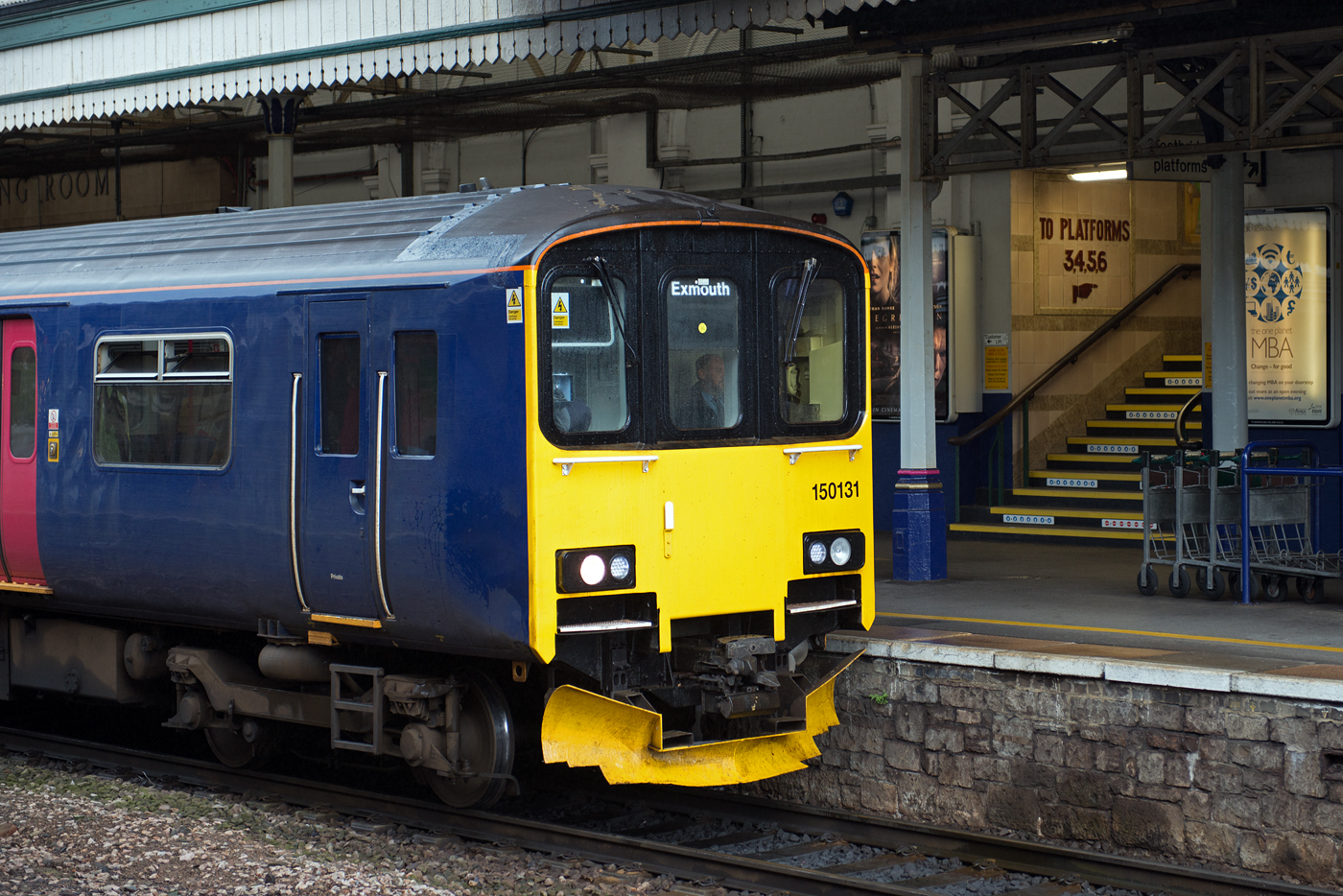
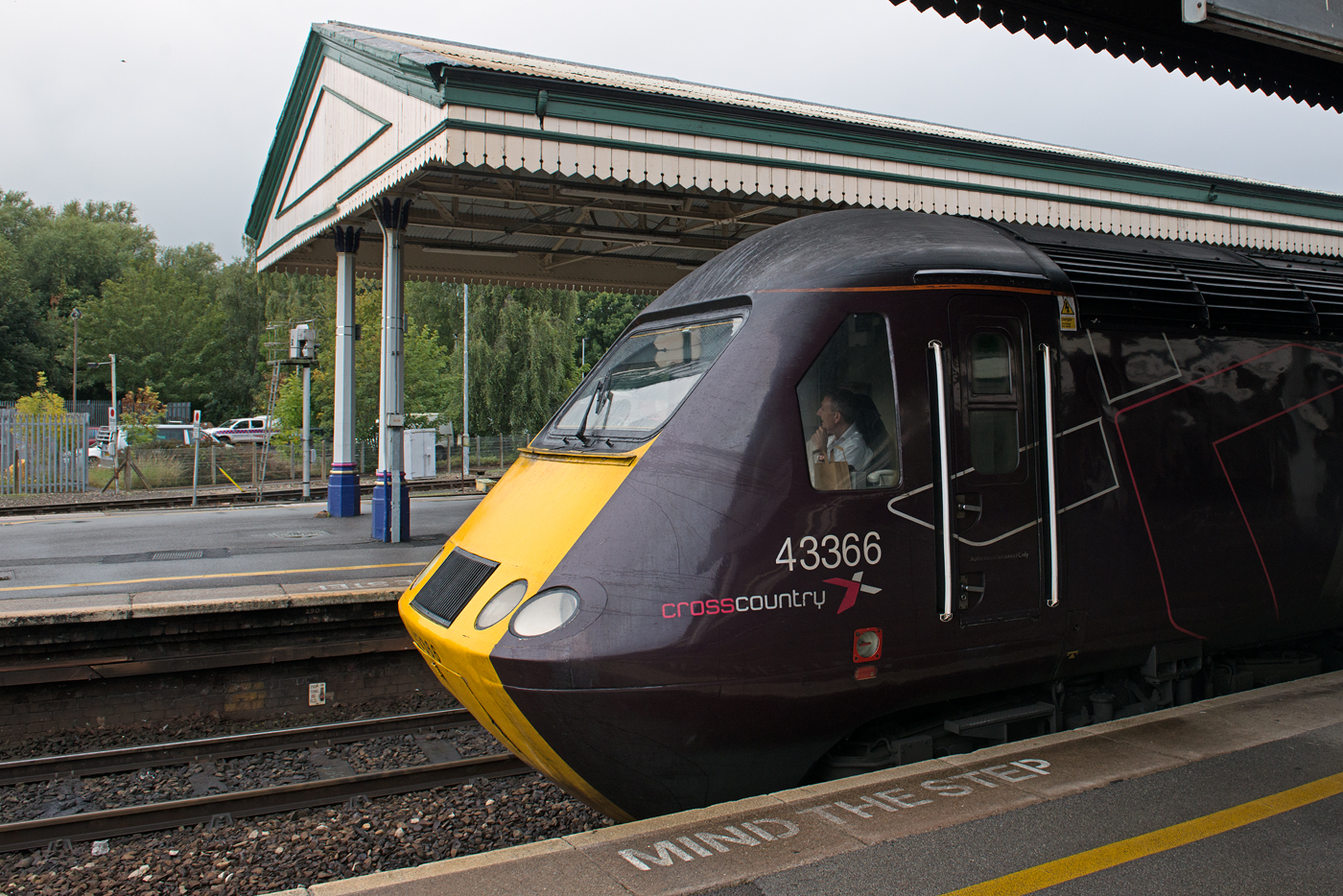
We started on a London Midland City commuter train to Worcester Foregate. For only the second time on our entire trip, it poured rain all morning. Worcester was a short step, putting us onto a second local train, this one a Sprinter to Cheltenham Spa. In Cheltenham, we boarded a more upscale Cross Country HST (which, it turned out, we could have caught in Birmingham) to Exeter St David. Finally, in Exeter, we boarded the famous Cornish Riviera – a First Great Western HST – which took us in considerable comfort and speed on the final leg to Penzance.
Confused? We were, a little – especially when our reserved First Class seats were occupied by other travellers. It all worked out well in the end, although none of the trains we rode were having a good day: toilets out of service, trains not stocked with food, and extra-full loads. We counted sheep and thanked our stars for being indoors, at the right time.


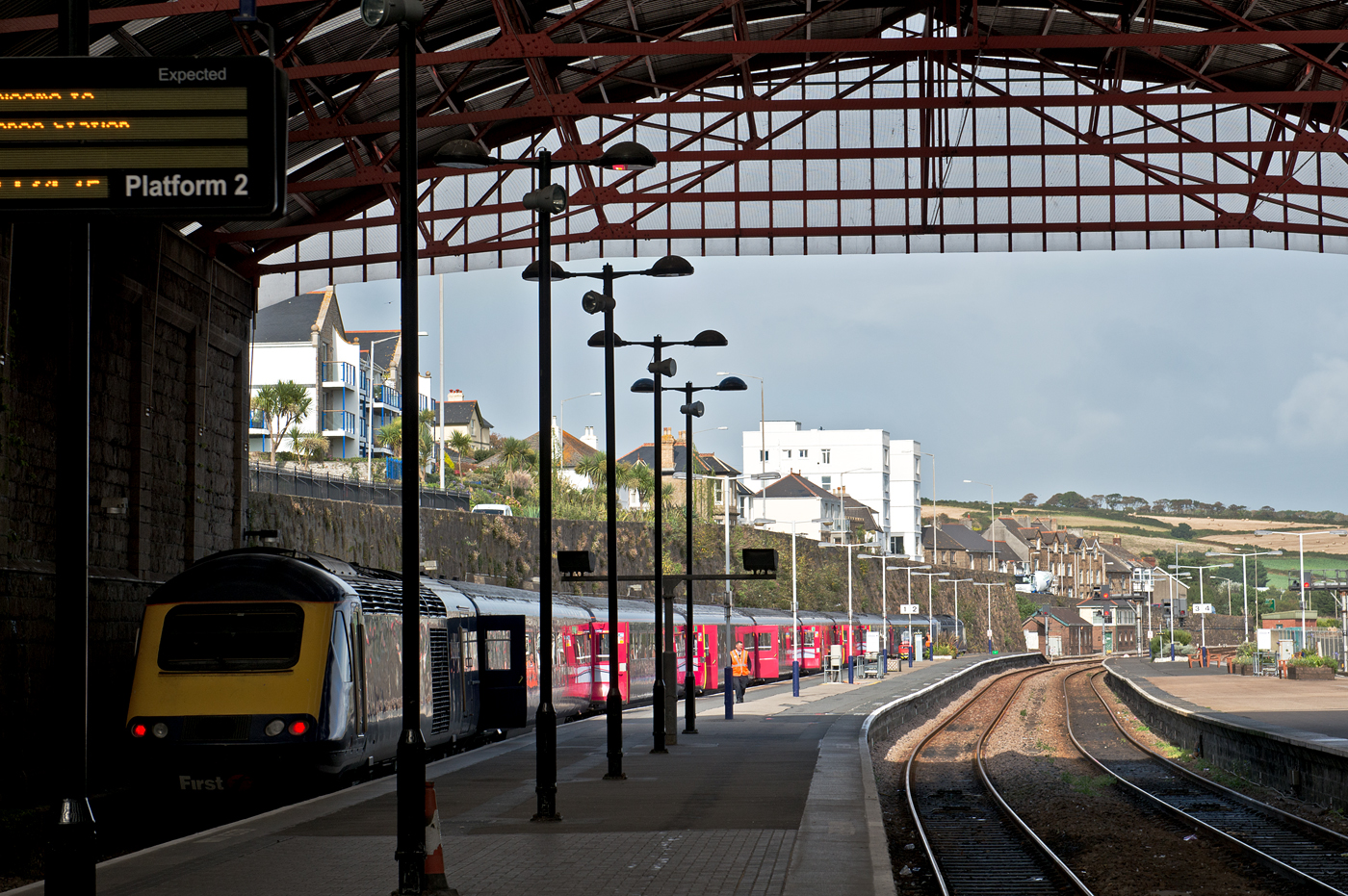
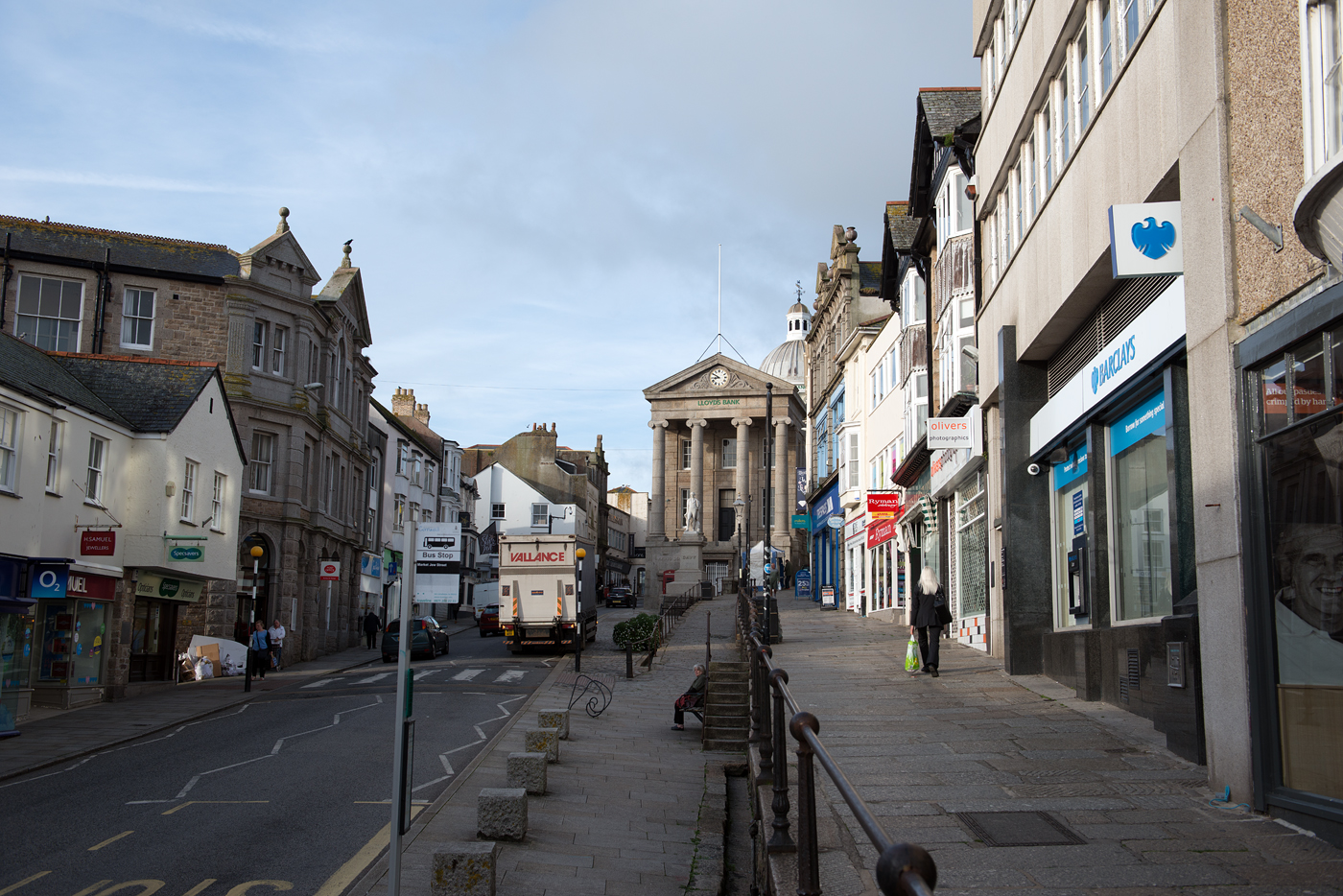
Penzance
As we pulled into the station at Penzance, the sun returned, and stayed with us for the rest of the trip.
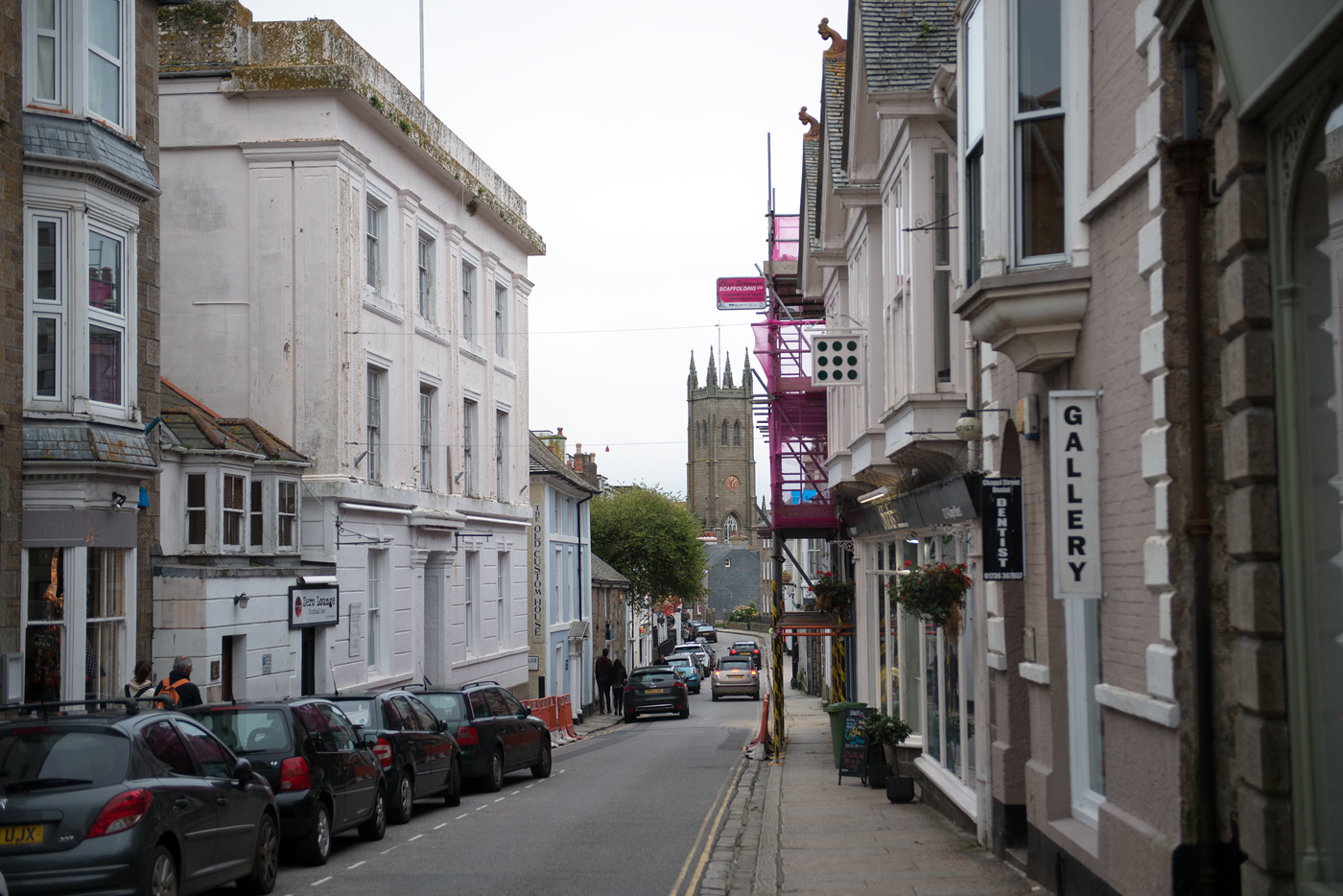
Penzance is a gorgeous harbour town. It’s so far south, that palm trees can be found in the parks.
After a day of sitting on trains, it was wonderful to take an extra-long walk along the seaside. We ended the day with the best Fish and Chips of the trip, at the Pirates’ Rest.


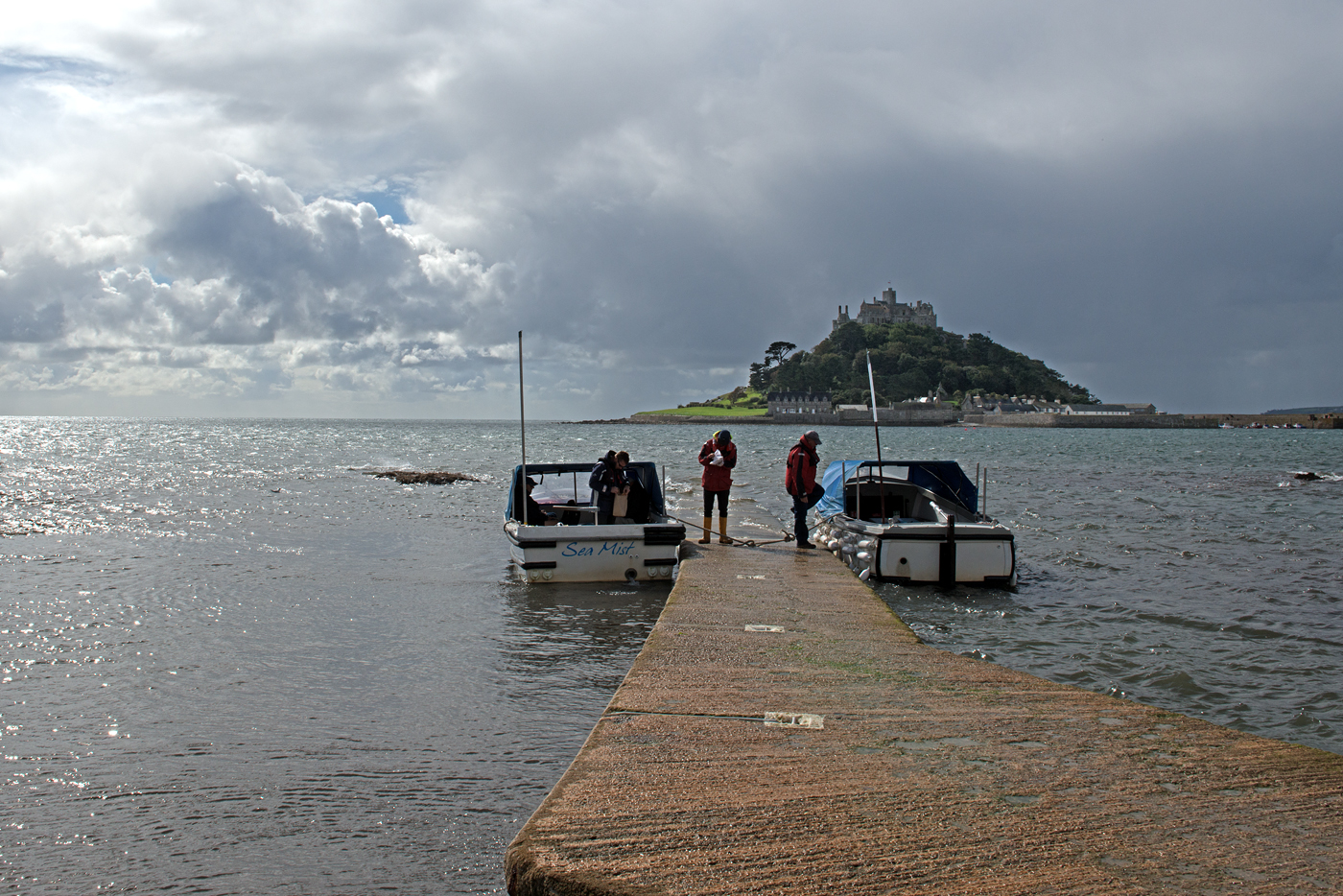
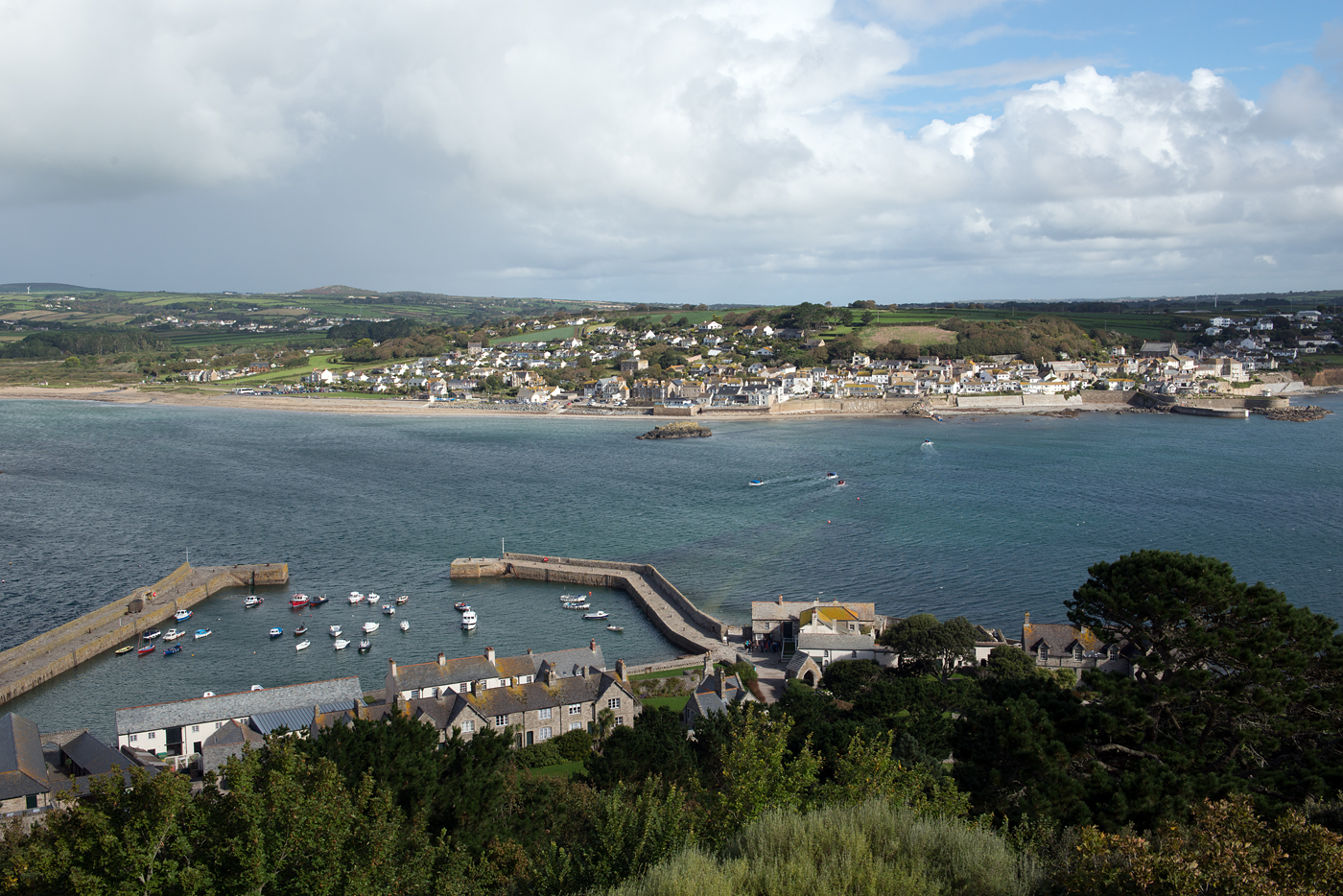
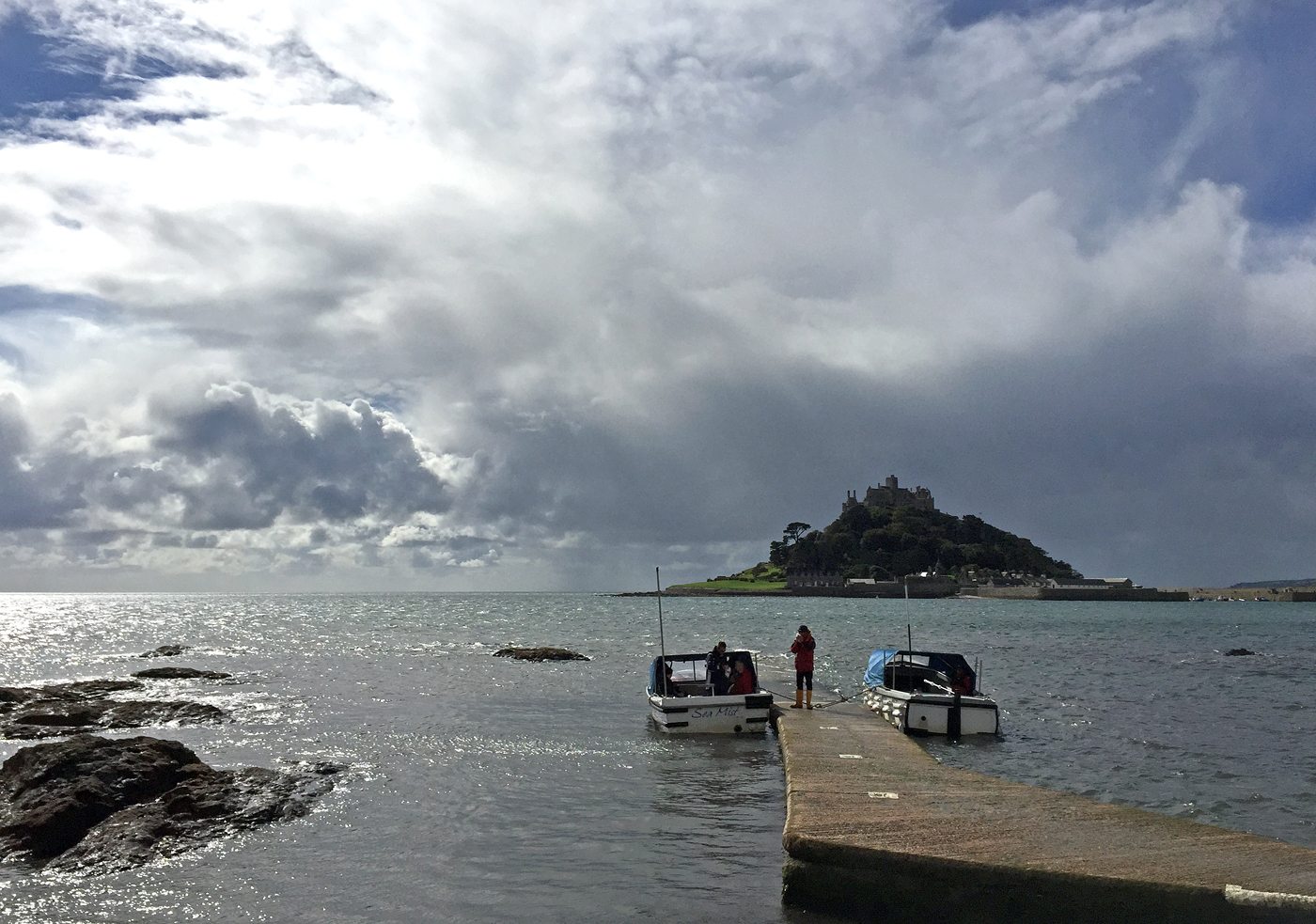
The next morning, we caught a double decker bus (our first) to Marazion, where we visited St Michael’s Mount. This is an island fortress – originally a monastery, and later an aristocrat’s castle – that is reachable on foot at high tide but only by boat at low tide. We kept our feet dry and took the boat. The fortress has both Mediaeval and World War II – era fortifications. It had been lovingly maintained as a Lord’s residence, and the trimmings felt a lot like Downton Abbey.

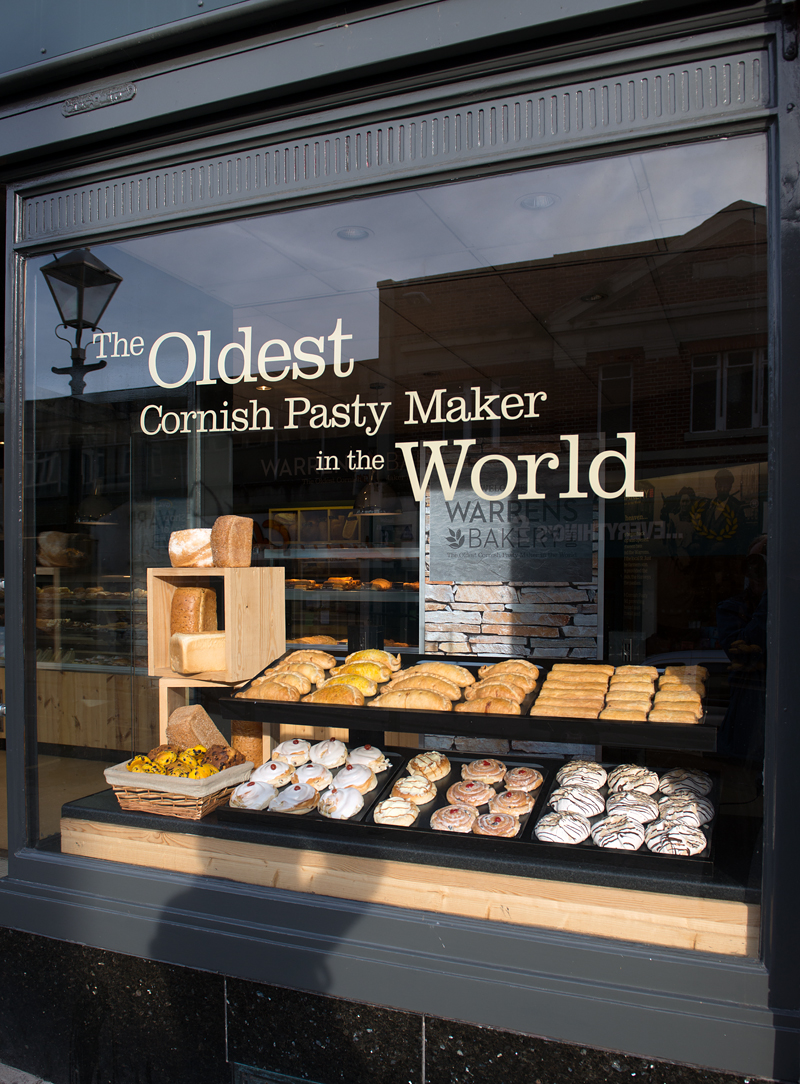
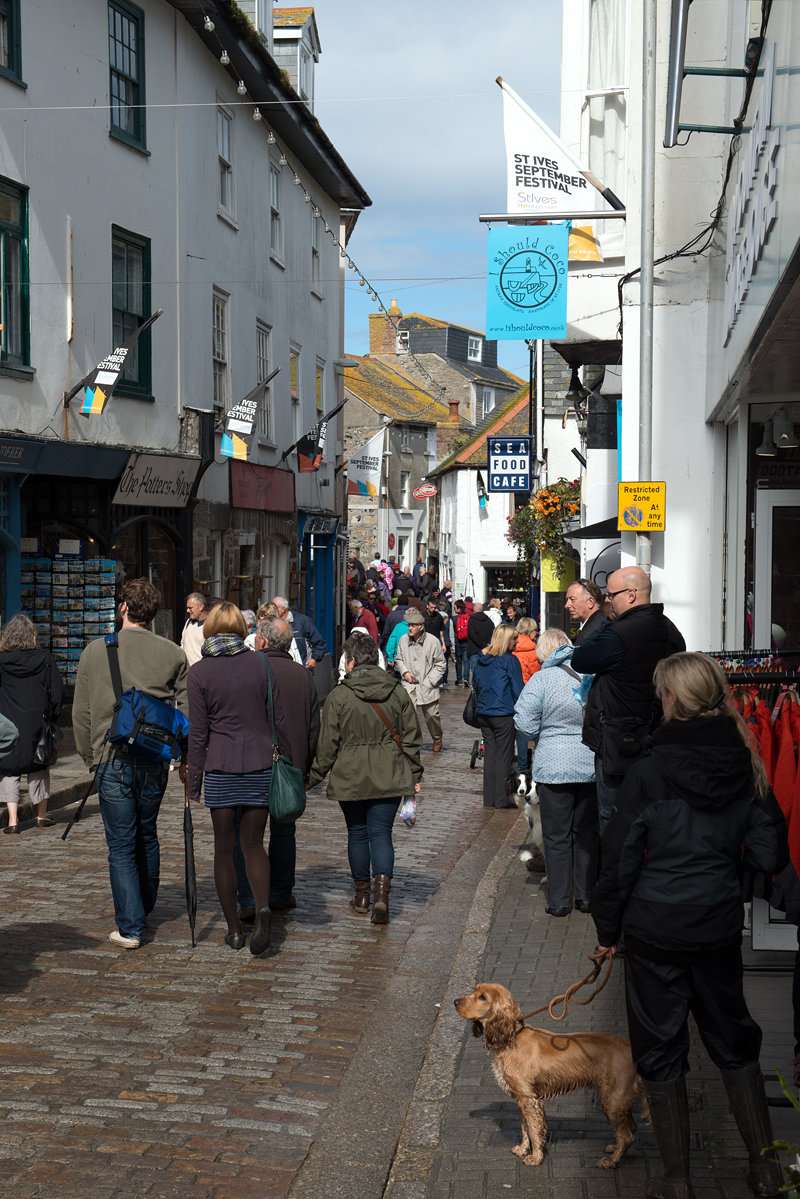
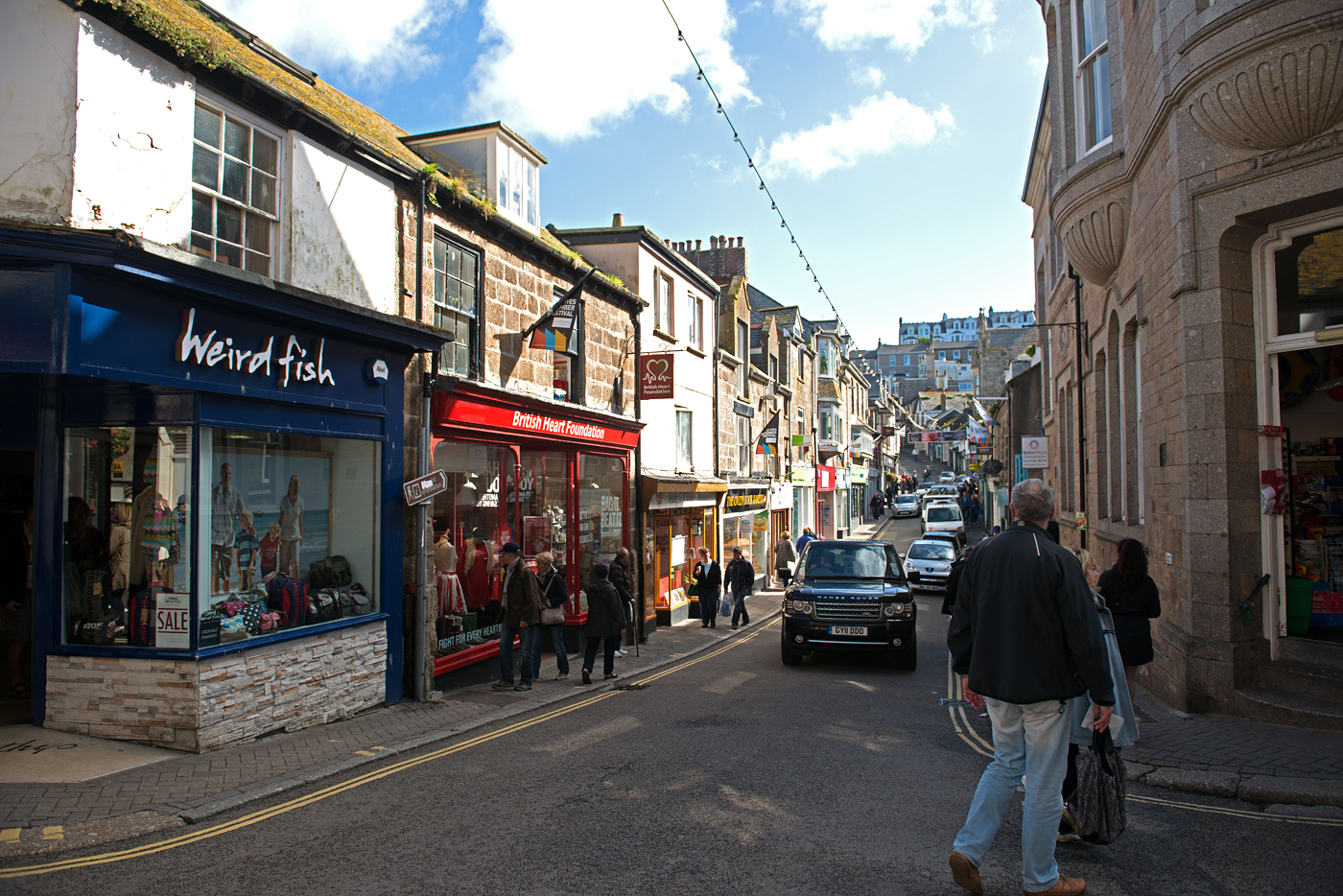
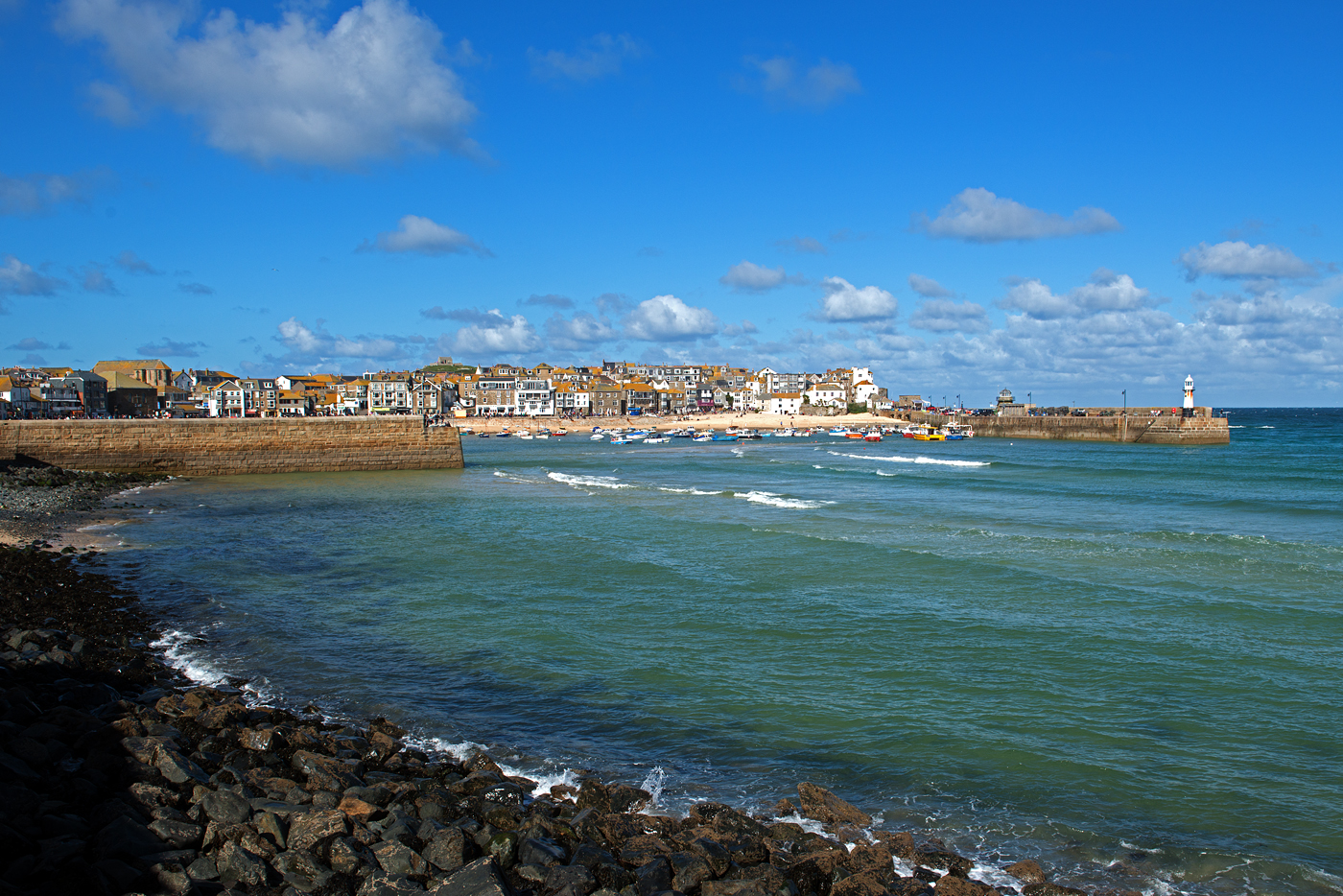
After returning to the mainland, we continued by open double-decker bus to Saint Ives, a beautiful but tourist-infested town on the north side of the Cornish Peninsula. Jan crossed off a shopping go-do and we sampled Cornish pasties – to our immediate enjoyment.


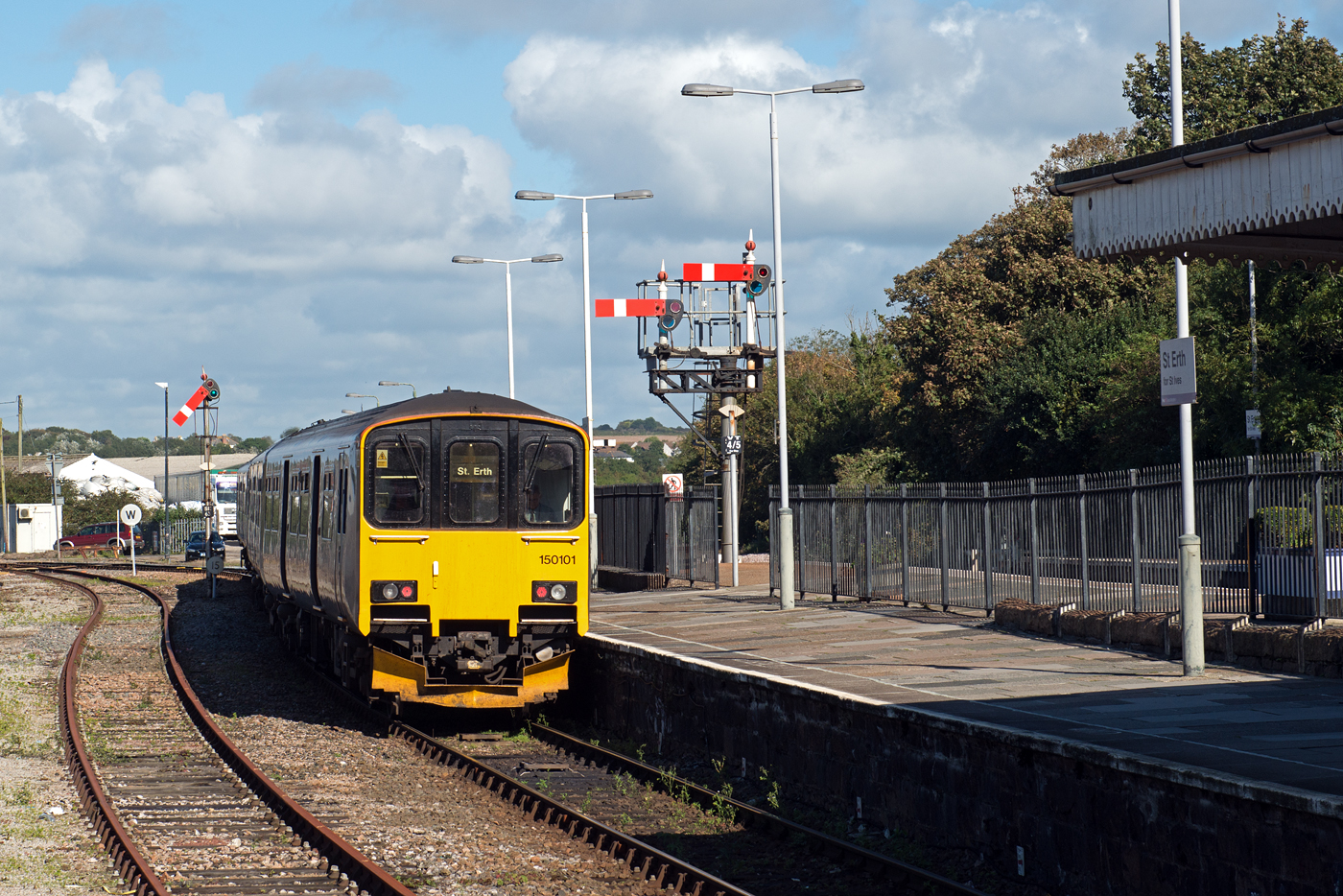
We returned to Penzance by taking the cool little branch line train to Saint Eurth, and then a mainline local to Penzance proper. St Erth, of course, had a signal box and lots of semaphores protecting the junction.

Bodmin and Saint Pinnock – Rundle Country
Our second full day in Cornwall was a family outing – to the town where my mother’s family, the Rundles, had lived before emigrating to Canada in 1833.
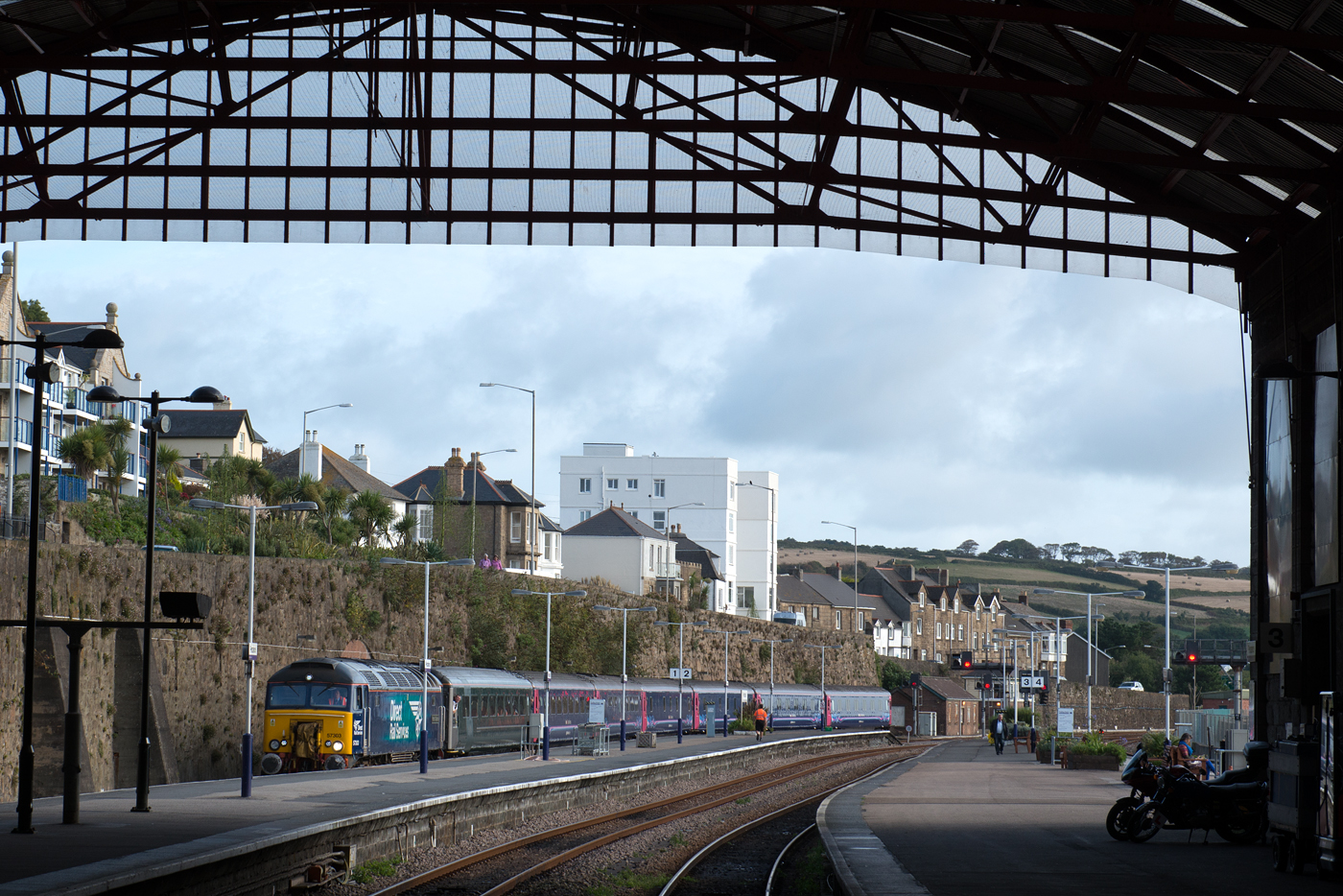
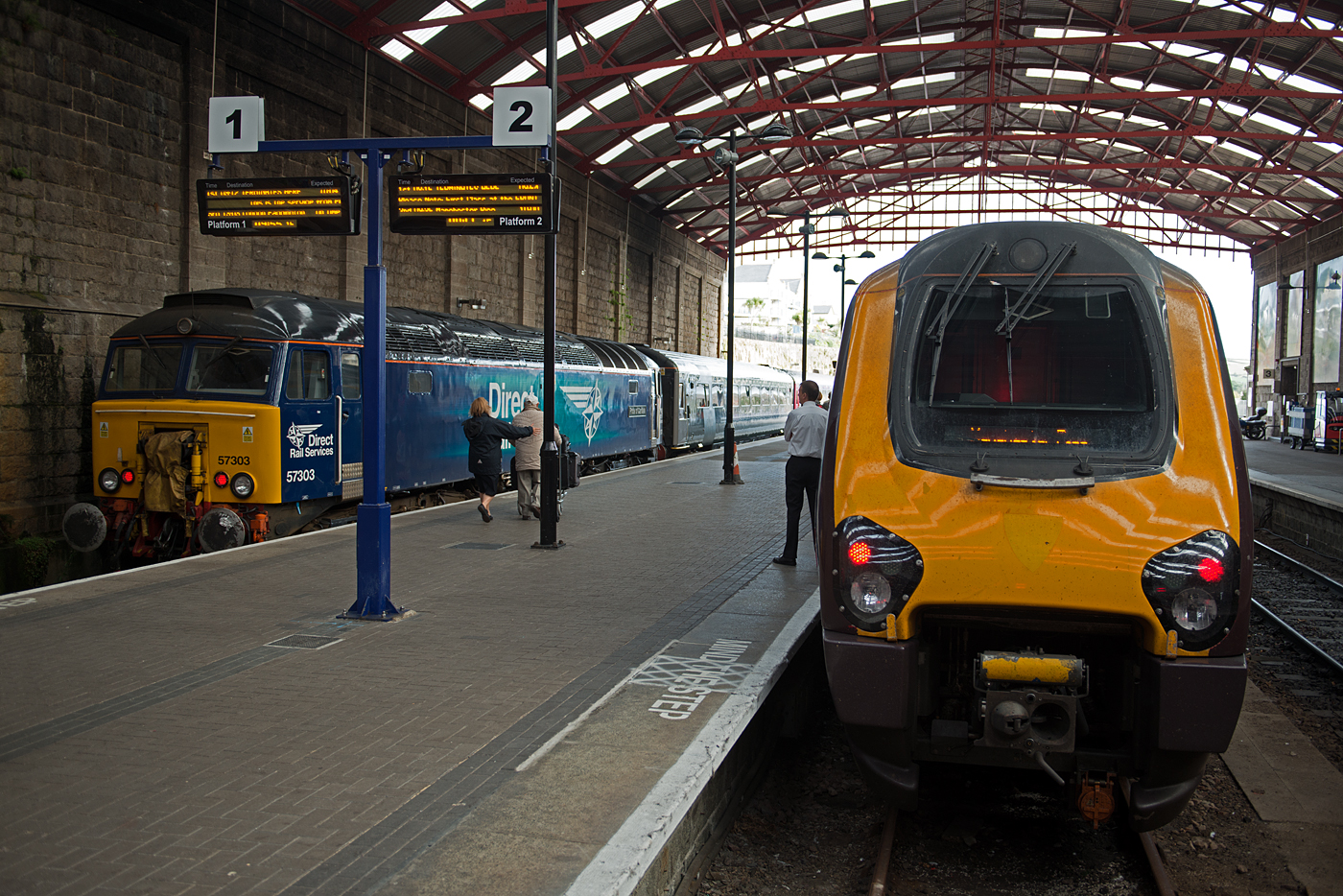
The outing required a speedy back-track by train to Bodmin. This turned out to be not so speedy – the inbound Night Riviera had experienced engine trouble down the line at St Austell, blocking the line to Penzance. All the incoming day trains that were needed to protect eastbound runs were still somewhere behind the Night Riviera, and the station was a bit chaotic.
At 0940, the tardy sleeper train turned up, followed by a succession of inbound passenger trains. We grabbed the first departure east.

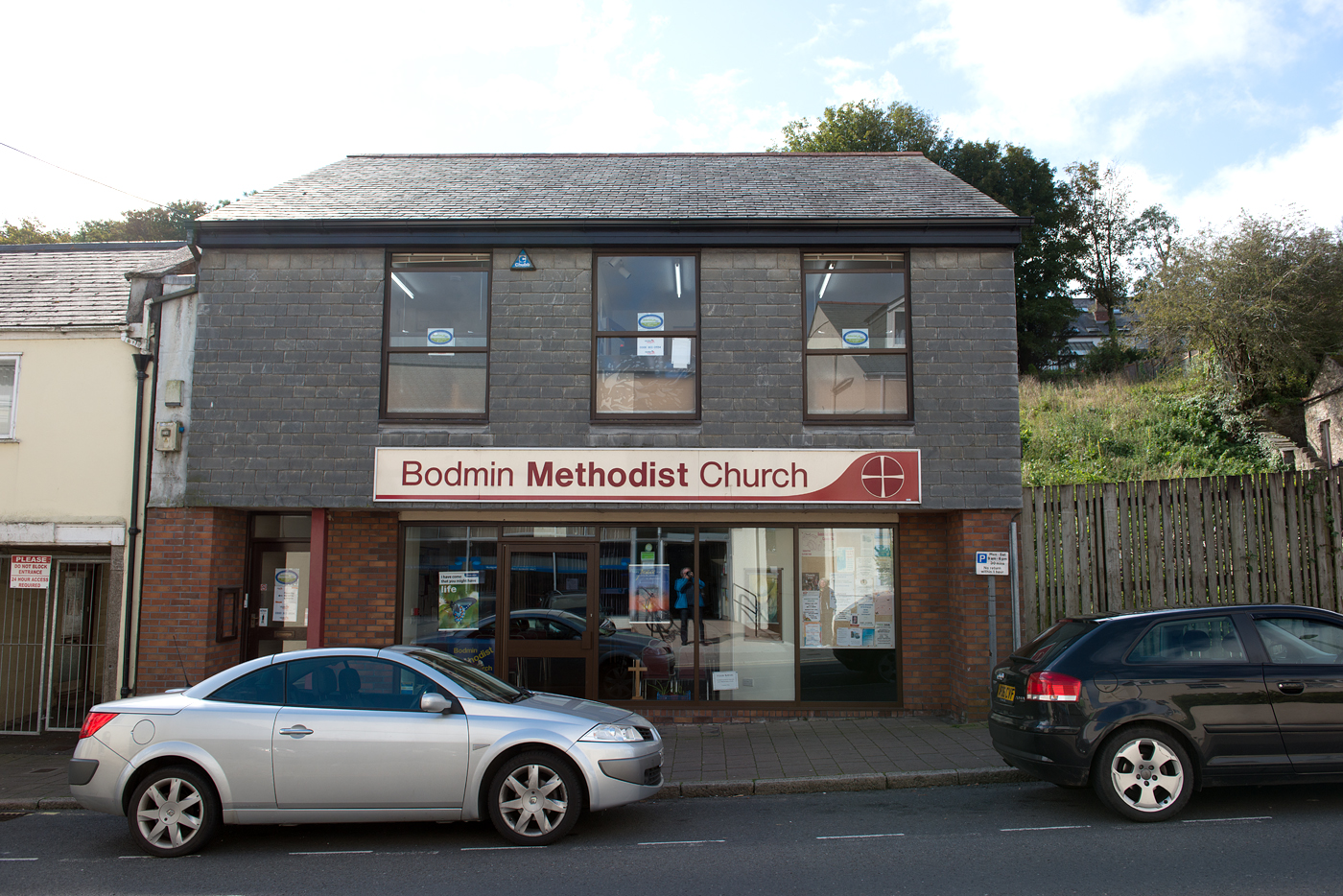
Our first stop was Bodmin proper. Our objective was to check out the town’s Methodist Church, which was the home of weddings christenings and funerals for many a Rundle. Unfortunately, the pre-1833 structure no longer existed. A much grander new church had been built in 1840, but in in more recent years it had been sold off to become a pub and casino. The current Methodist church was a storefront.
I thought of my teetotalling forebears….better they didn’t know what happened after they left for Canada.
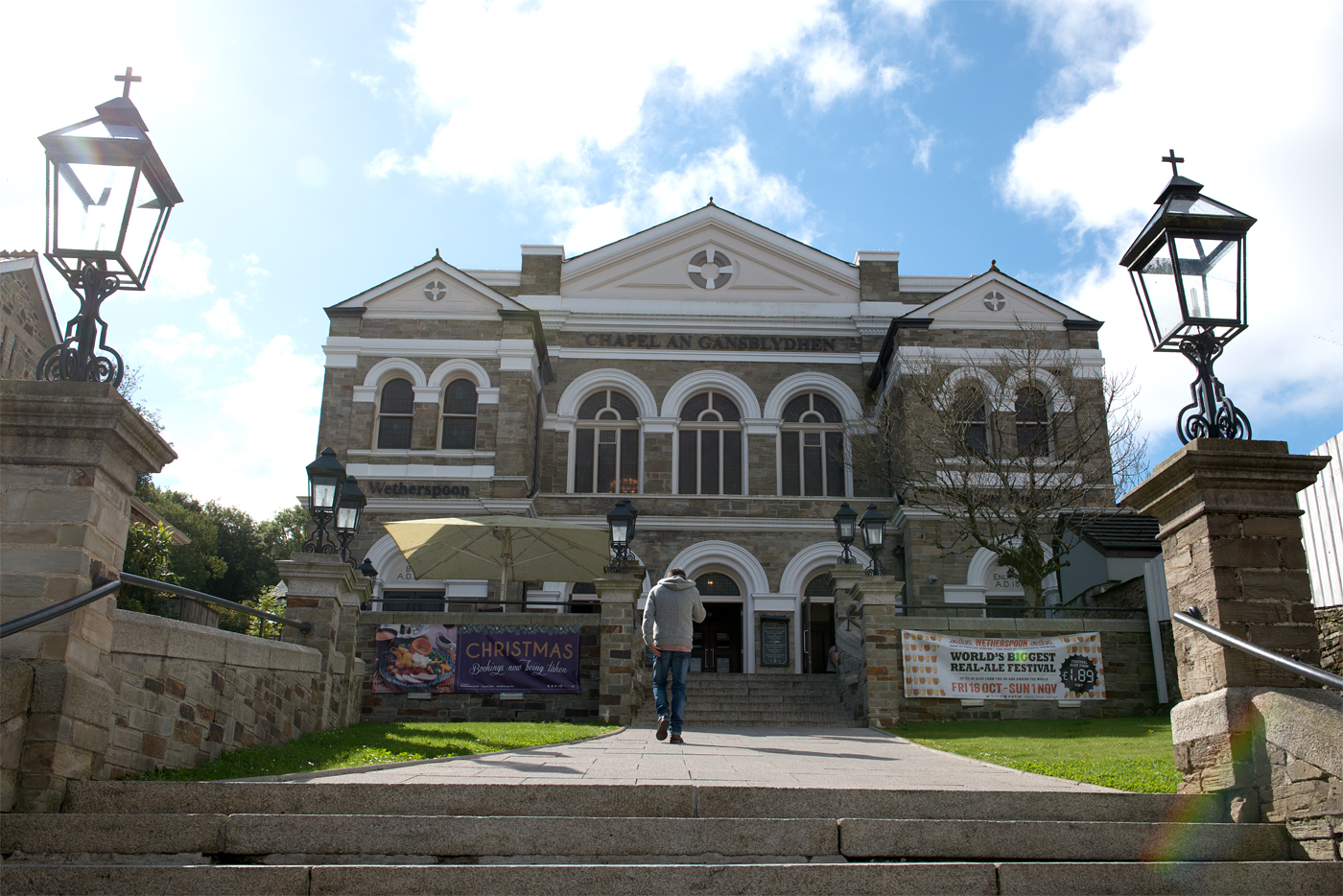
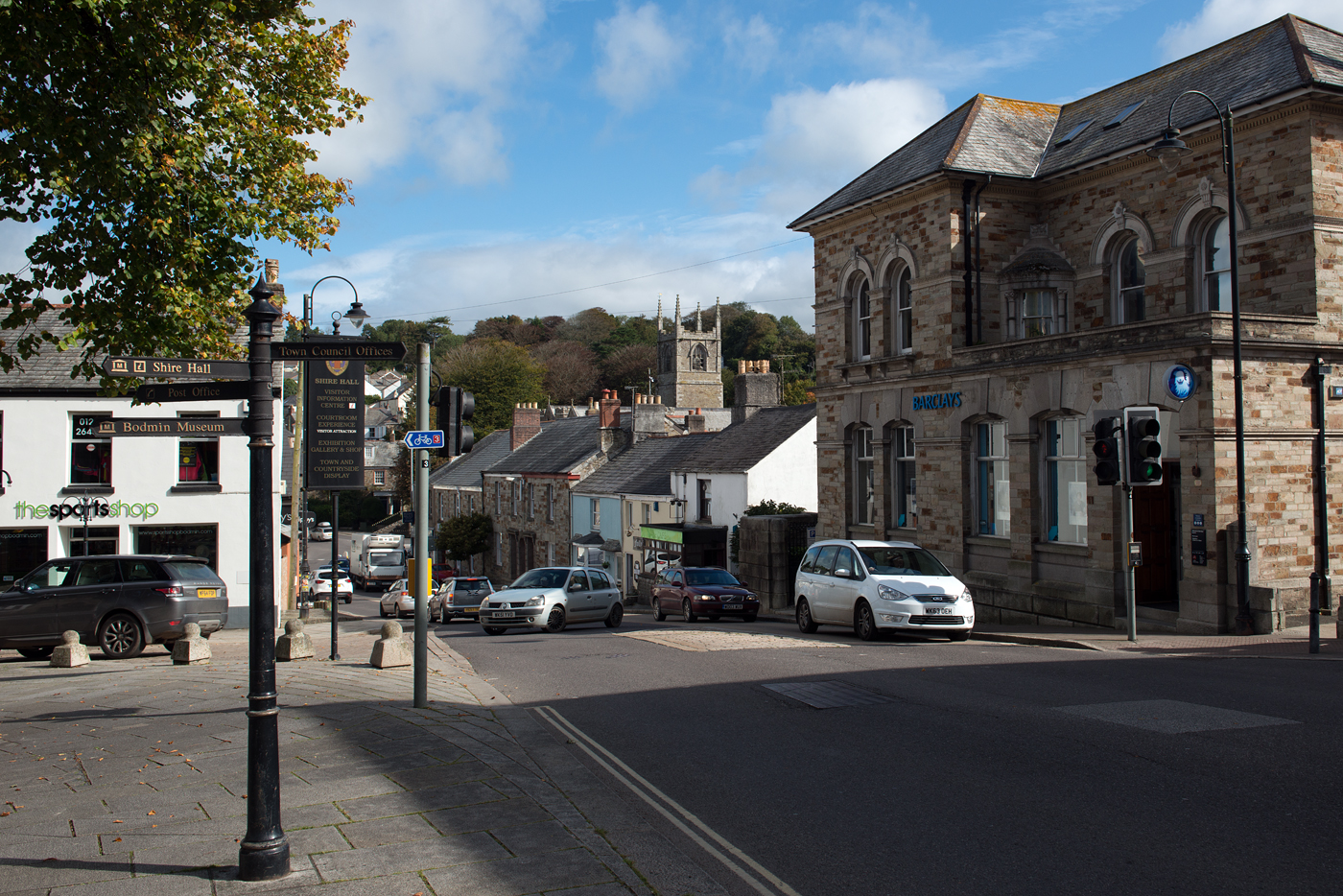
In Bodmin, we enquired about rental cars, but none were available. So, we caught a local bus to Doublebois – a highway crossroads – and set out on foot for Saint Pinnock, the town which my forebears abandoned for Darlington, Ontario.
To reach Saint Pinnock, we walked down some very narrow country roads to the hamlet of Trevelmunde, and then down a very narrow road into a deep river valley. Saint Pinnock was in a low area, hidden by hills. The village consisted of three houses, an abandoned school, a church, and an equally abandoned mill. It was easy to understand why my relatives left – there was simply nothing there.
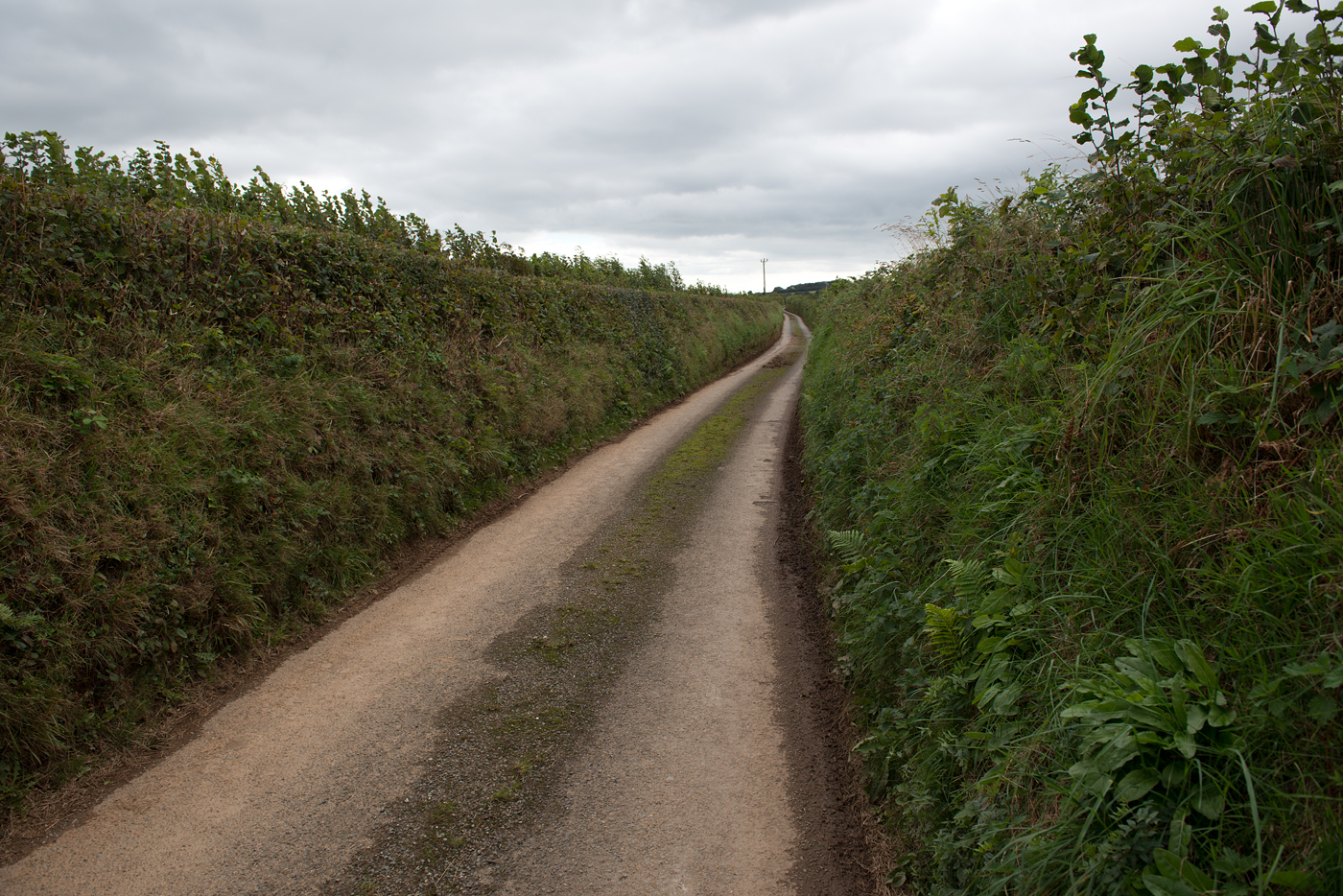
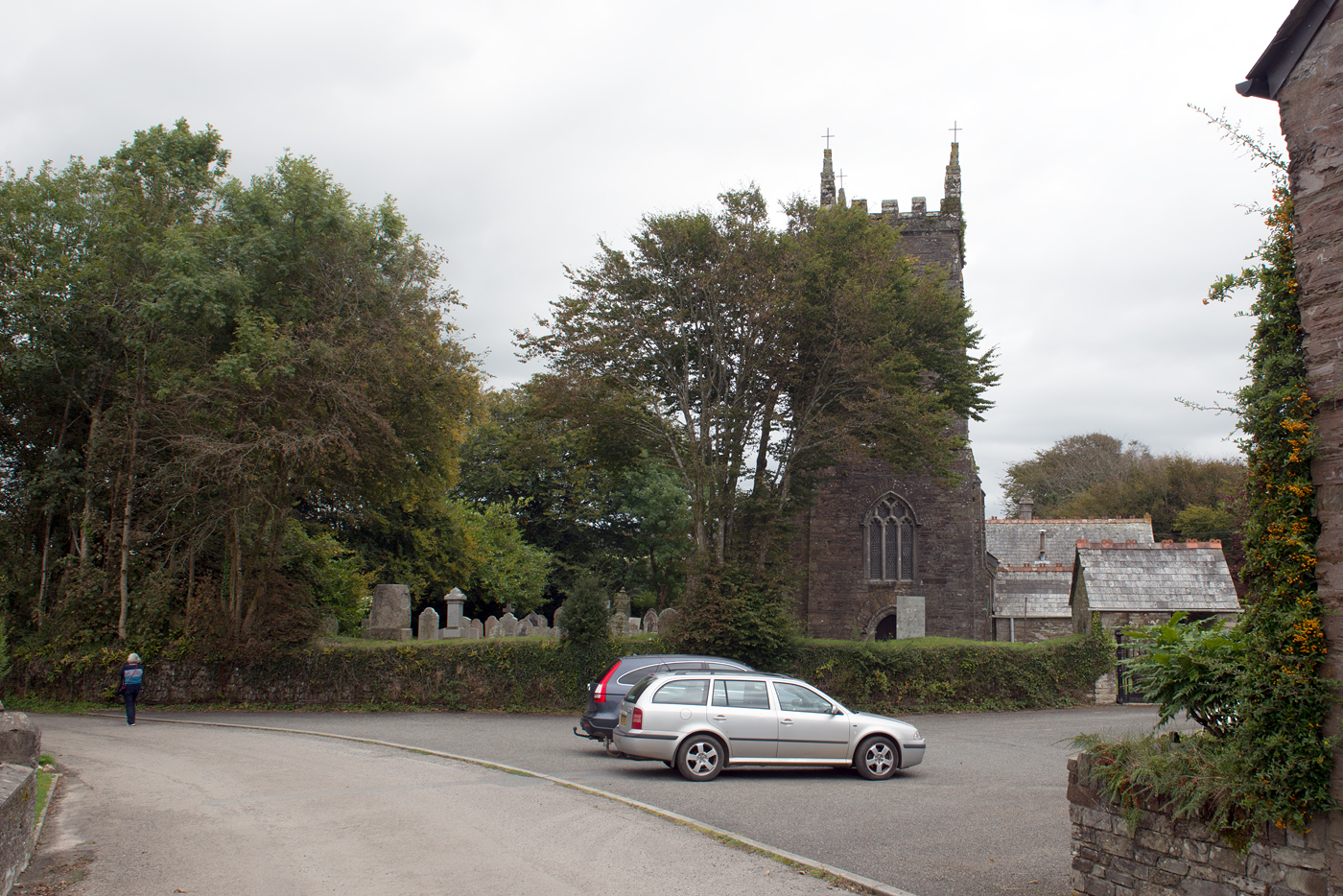
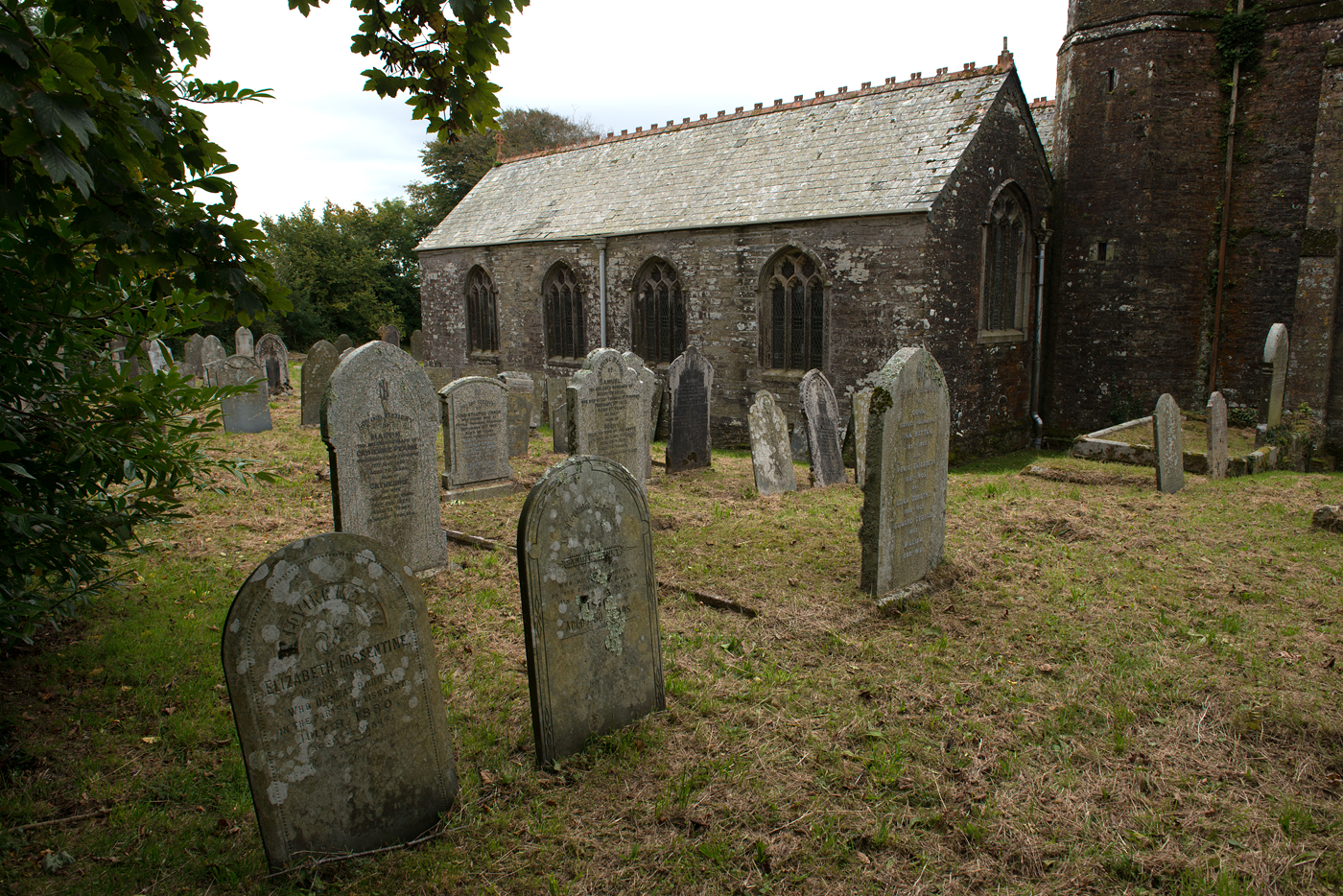
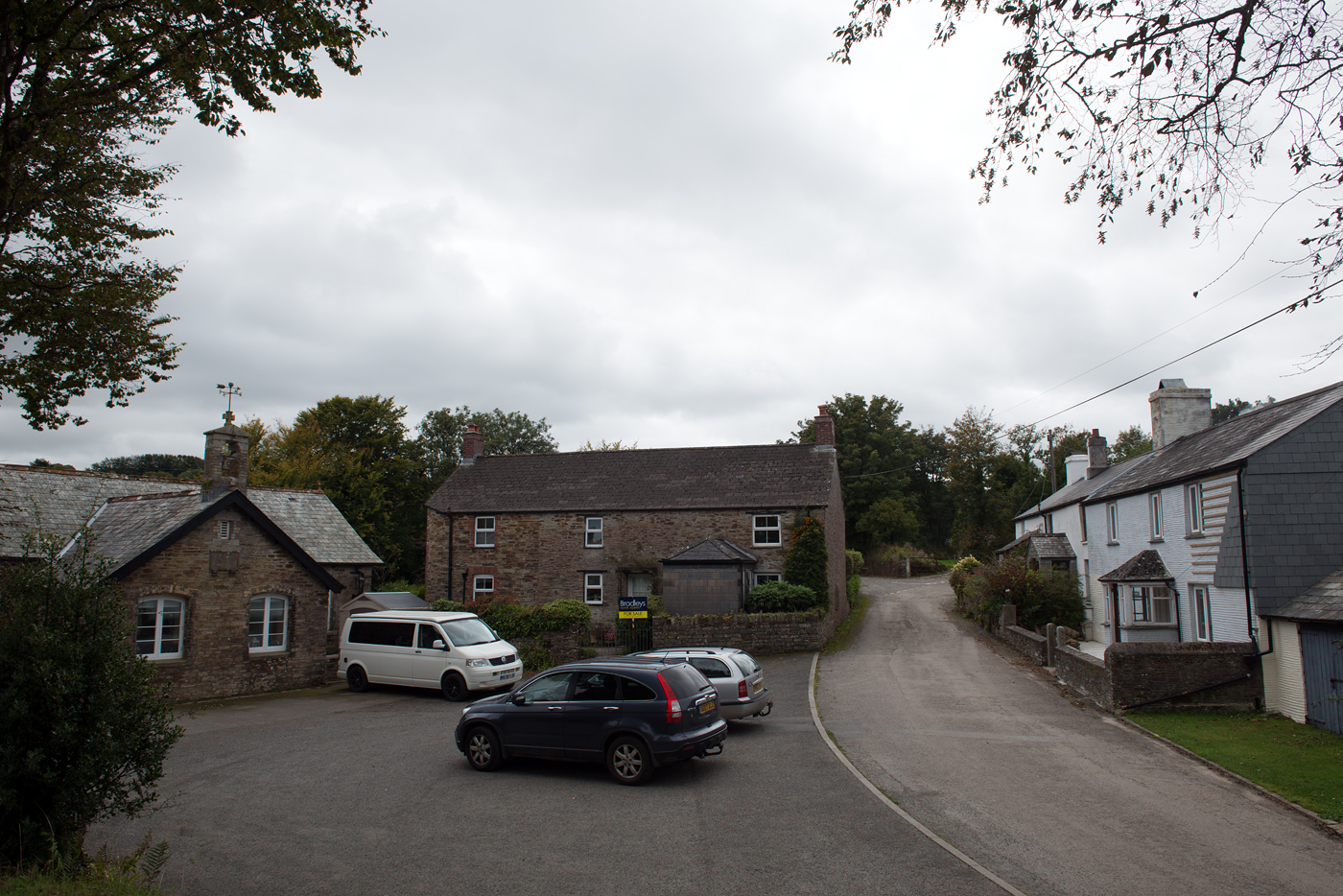
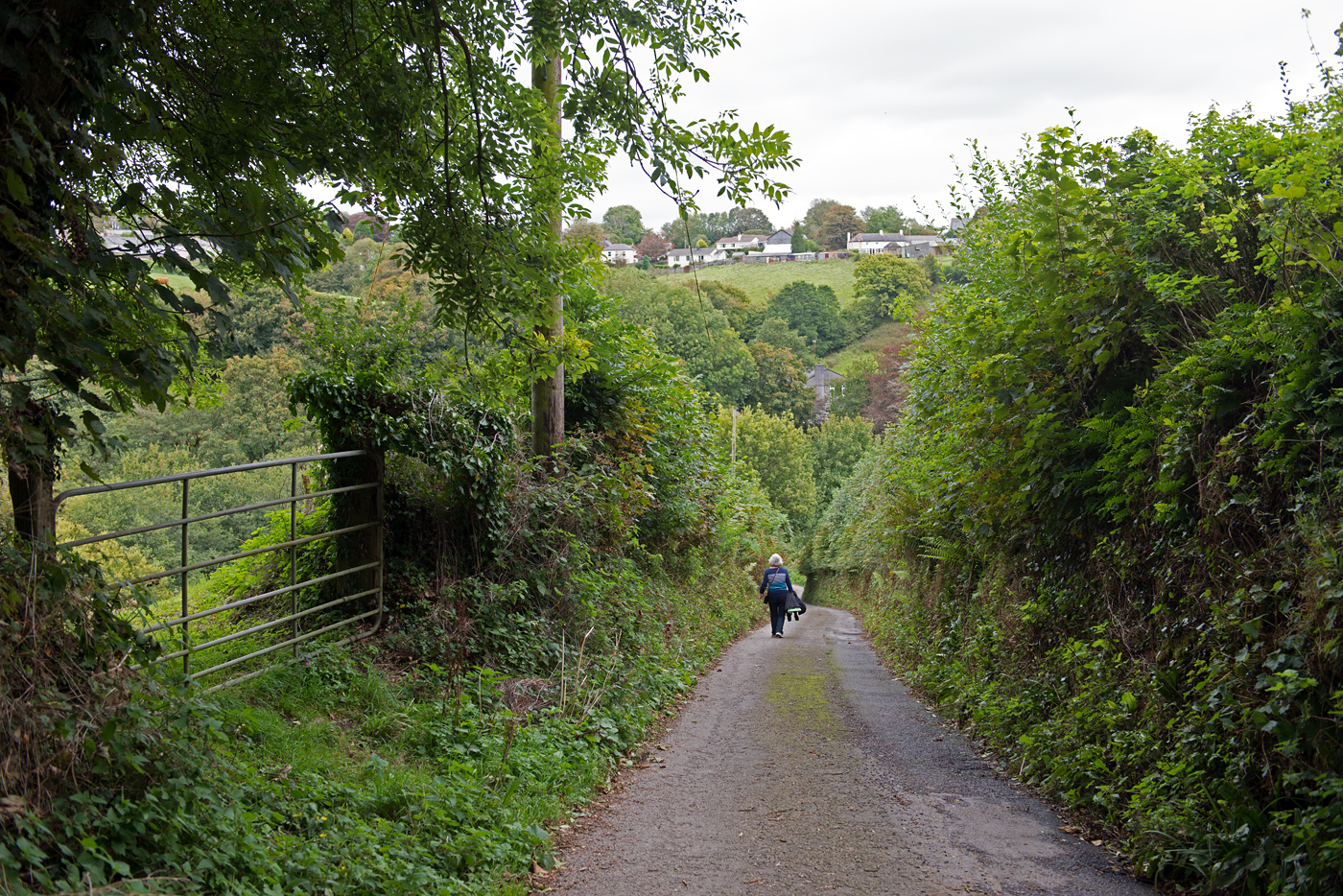

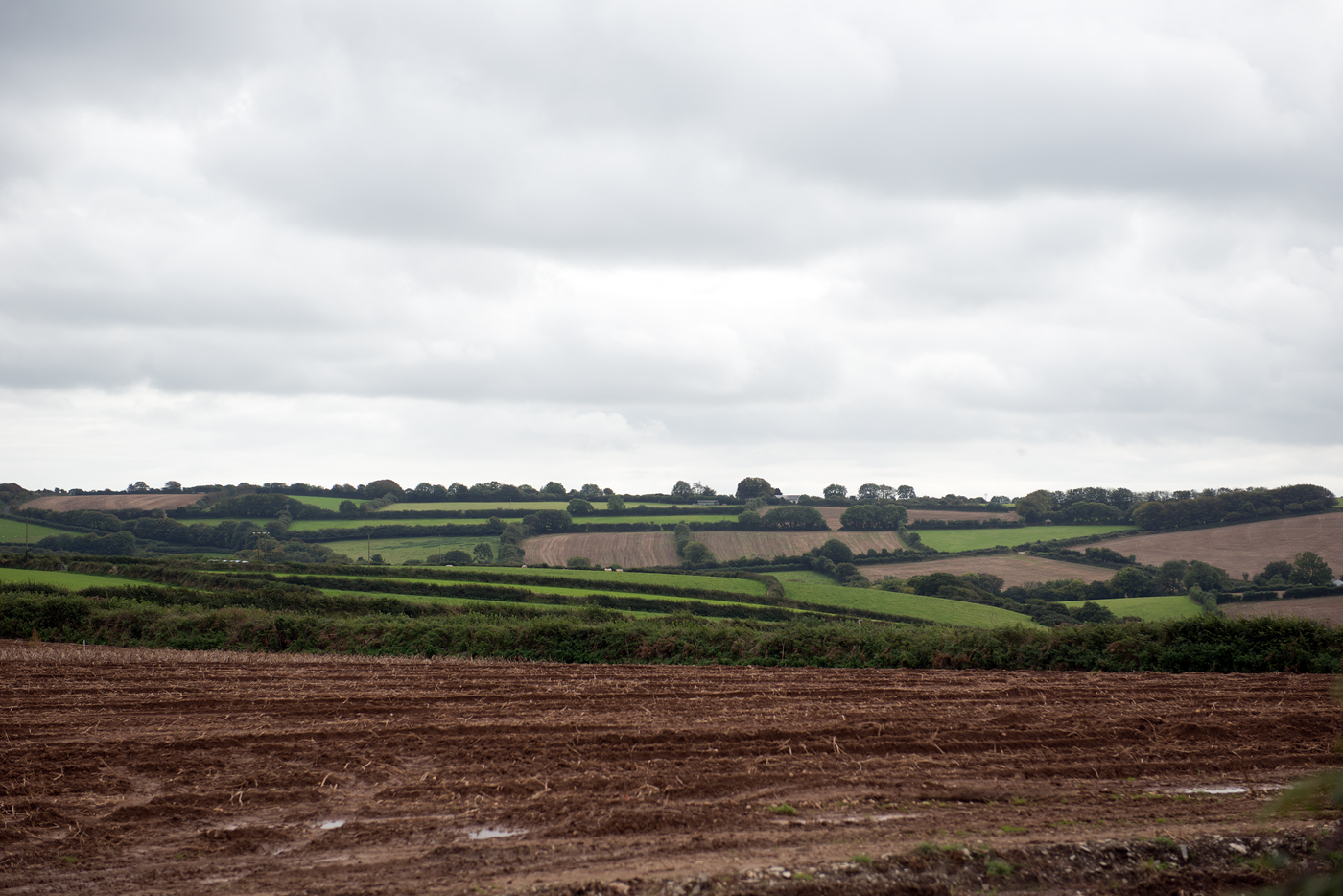
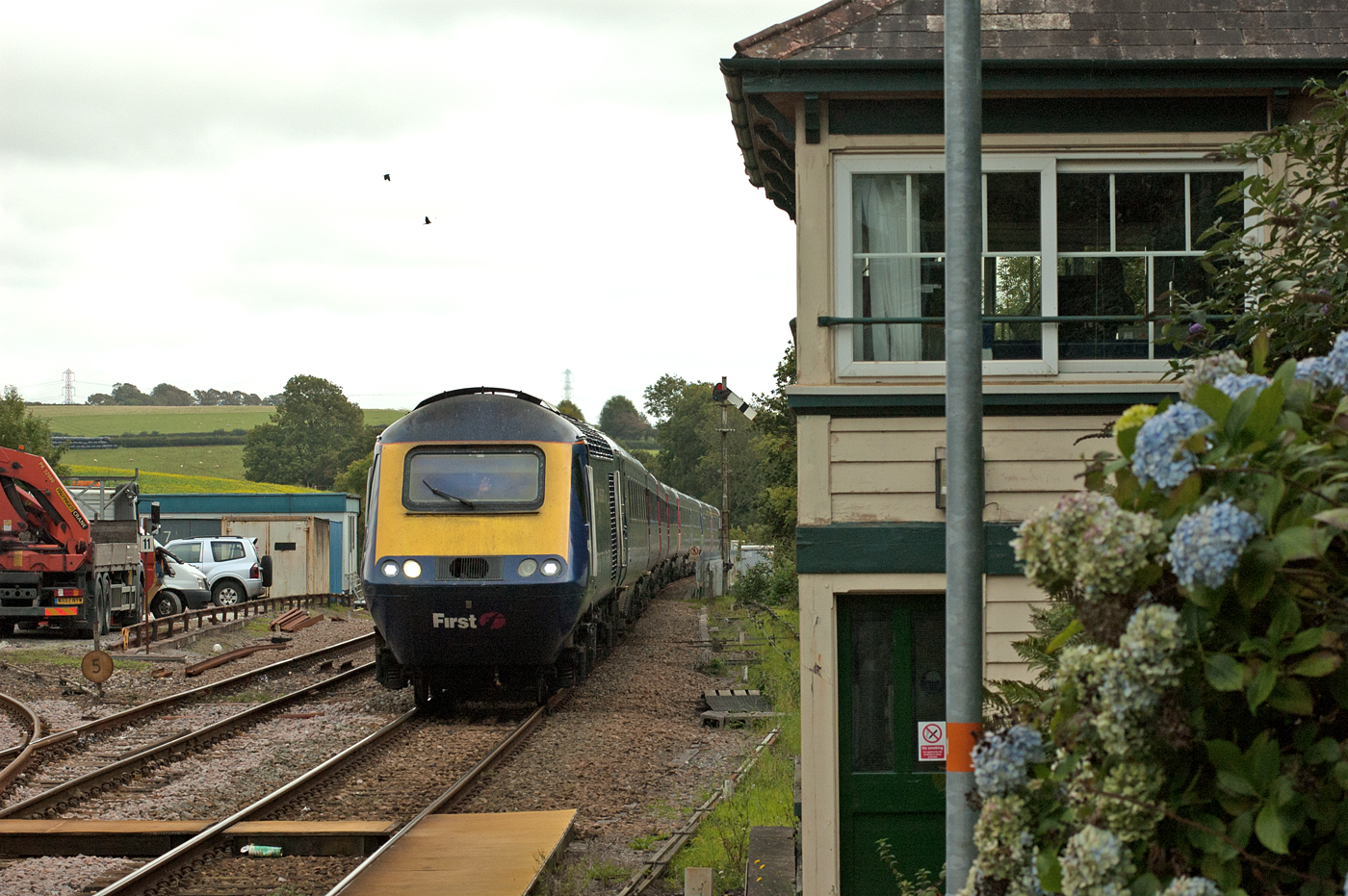
Leaving Saint Pinnock, we backtracked down the country lanes, hiking over to civilization at Dobwalls. Another local bus took us on to Liskeard, the next stop on the main line to Penzance, and junction with the branch line to Looe. After a quick snack in the station cafe, another wonderful Great Western named train – the Royal Duchy – rolled in to Liskeard at 15:35, bringing us back to Penzance.
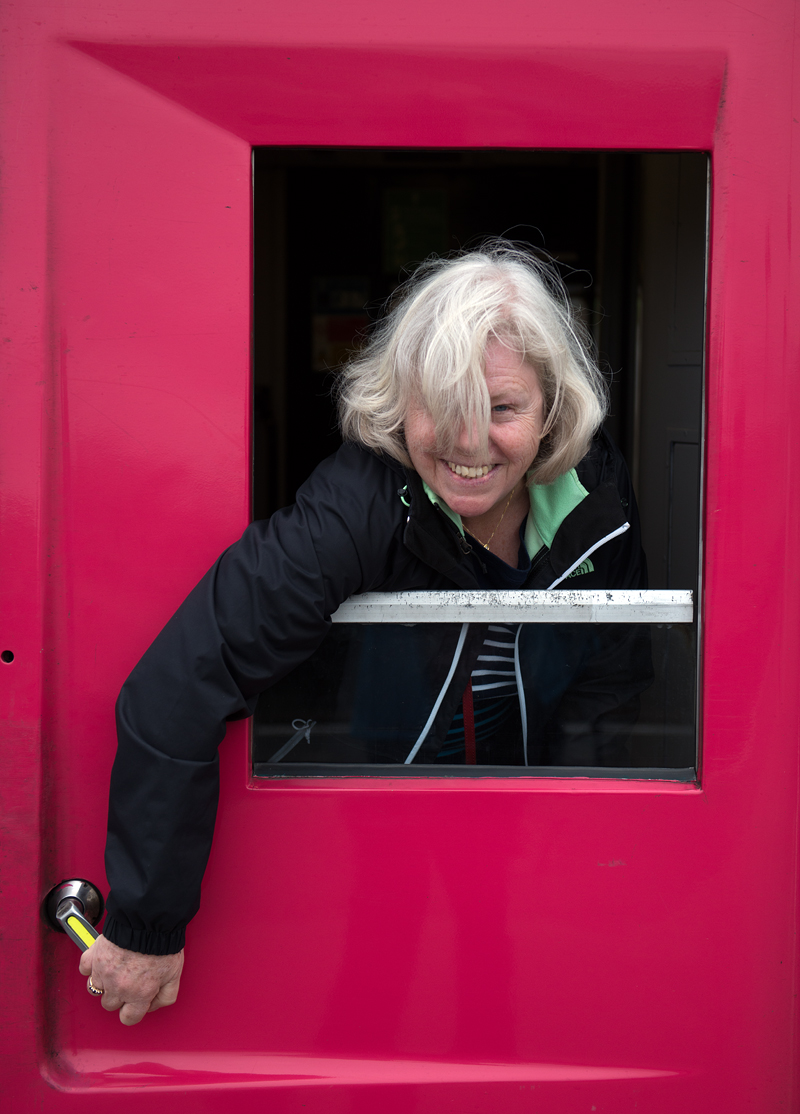
Jan was pretty happy to be back and able to rest her feet after a very energetic day of walking in the Cornish countryside. It took her a few tries to figure out the British system for opening the carriage doors – roll down the window, reach out, open the latch. Nothing like a 125 mph train with a door latch from the 1800’s.
Land’s End
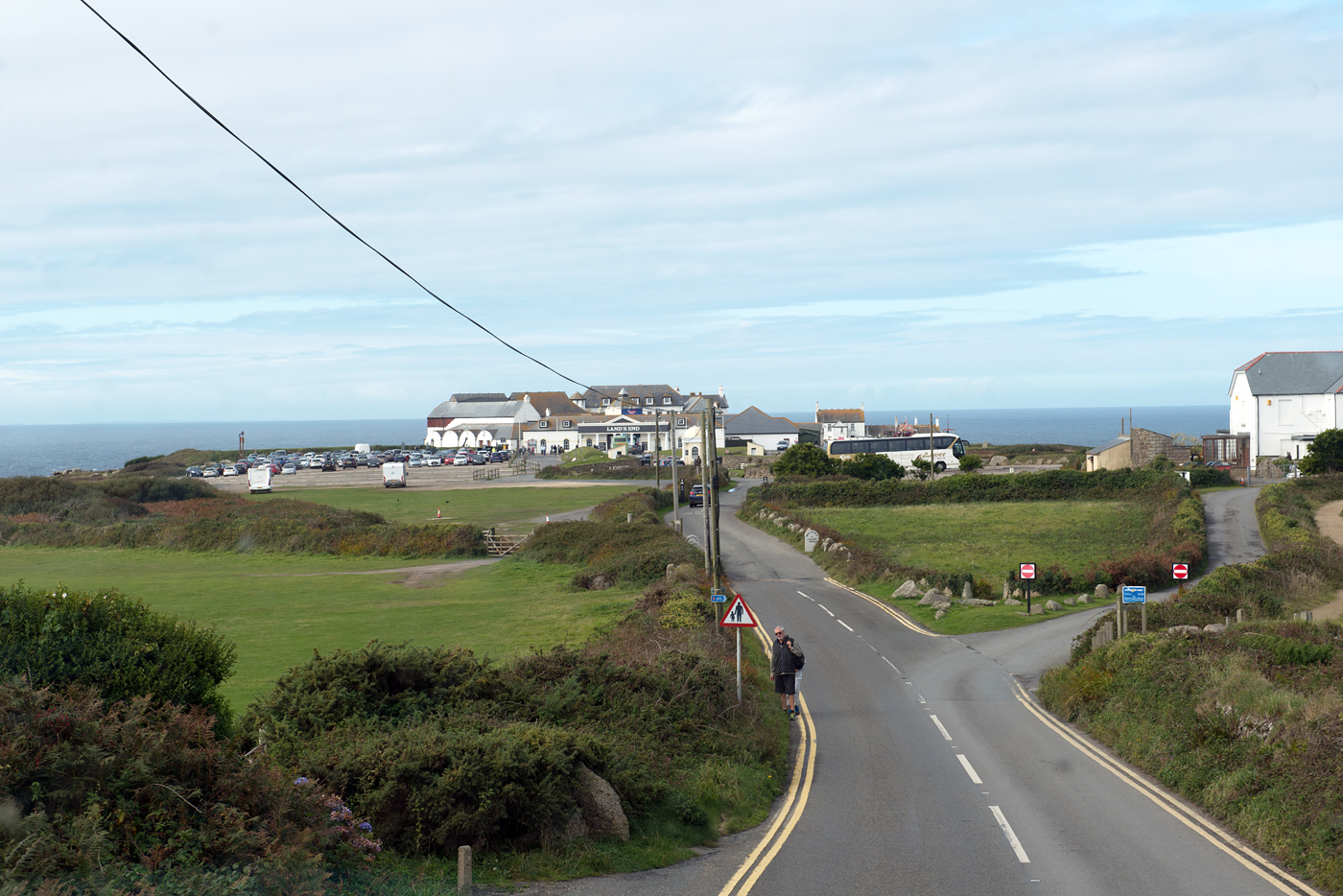
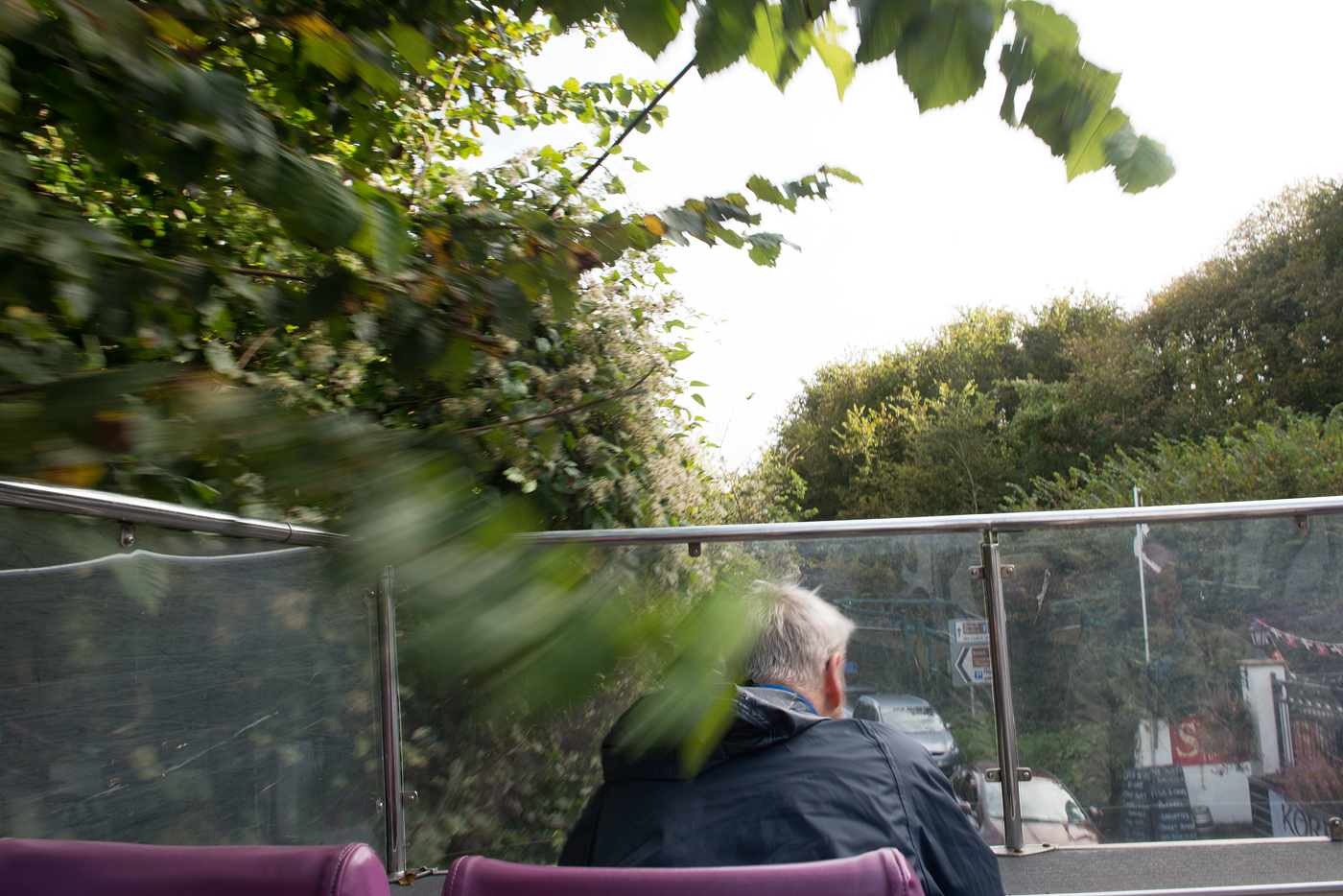
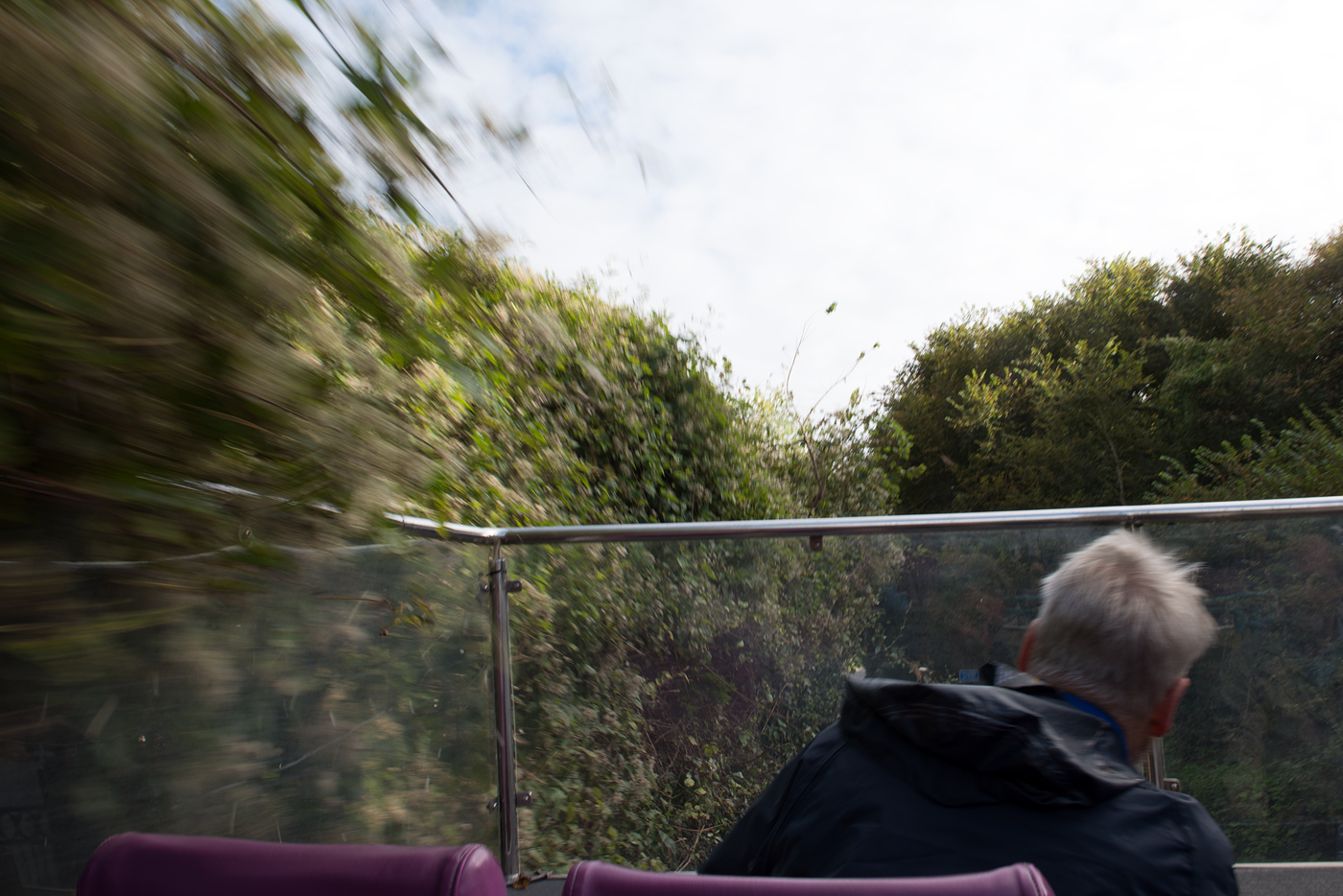
The next morning, we took an open-top double decker bus to Lands’ End, the westernmost point in England. The double-decker was a wonderful way to travel, considering the high grown-over rock fences that lined the narrow roads. It was exciting watching our driver encounter, and somehow pass, oncoming vehicles on the ultra-narrow roads.
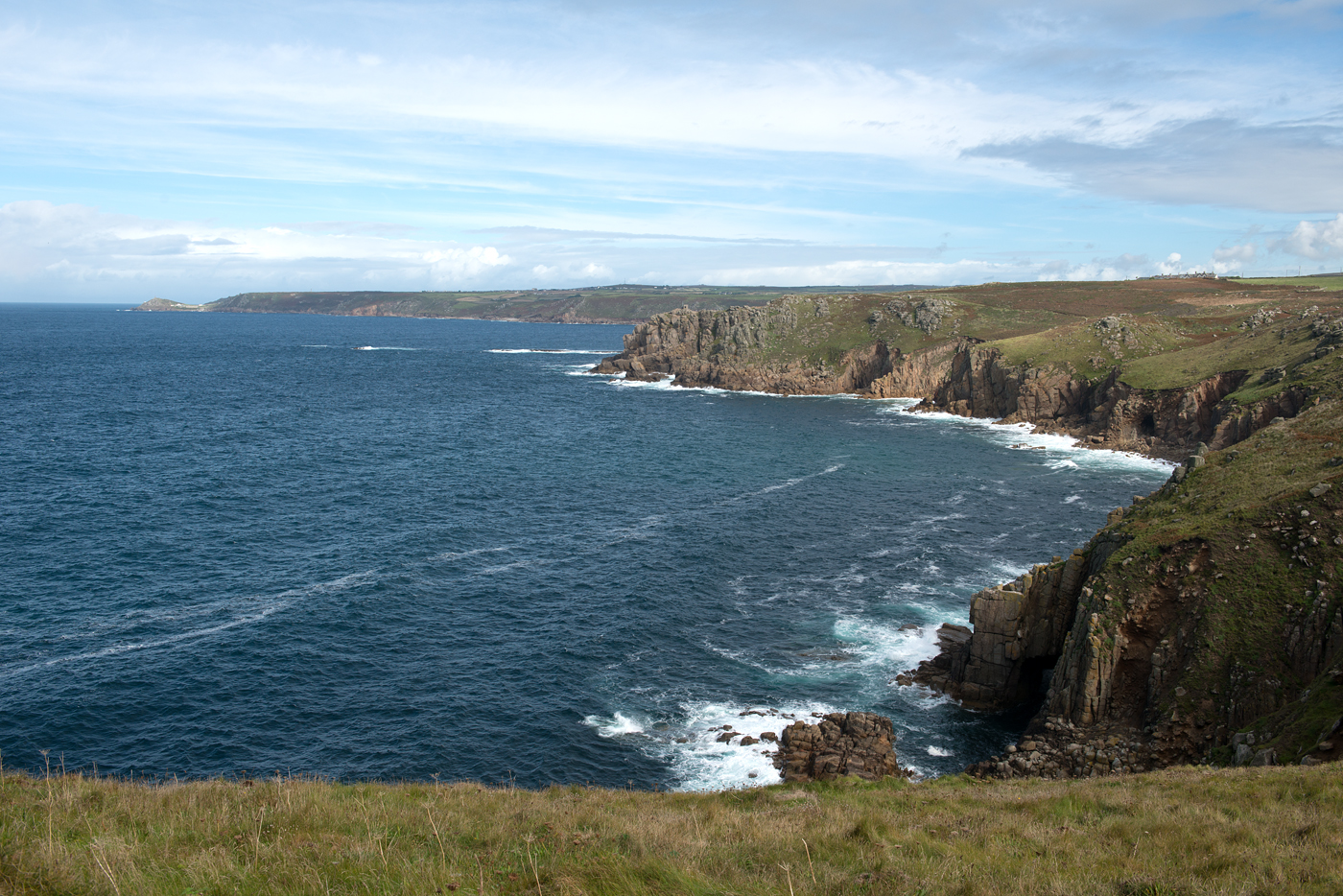
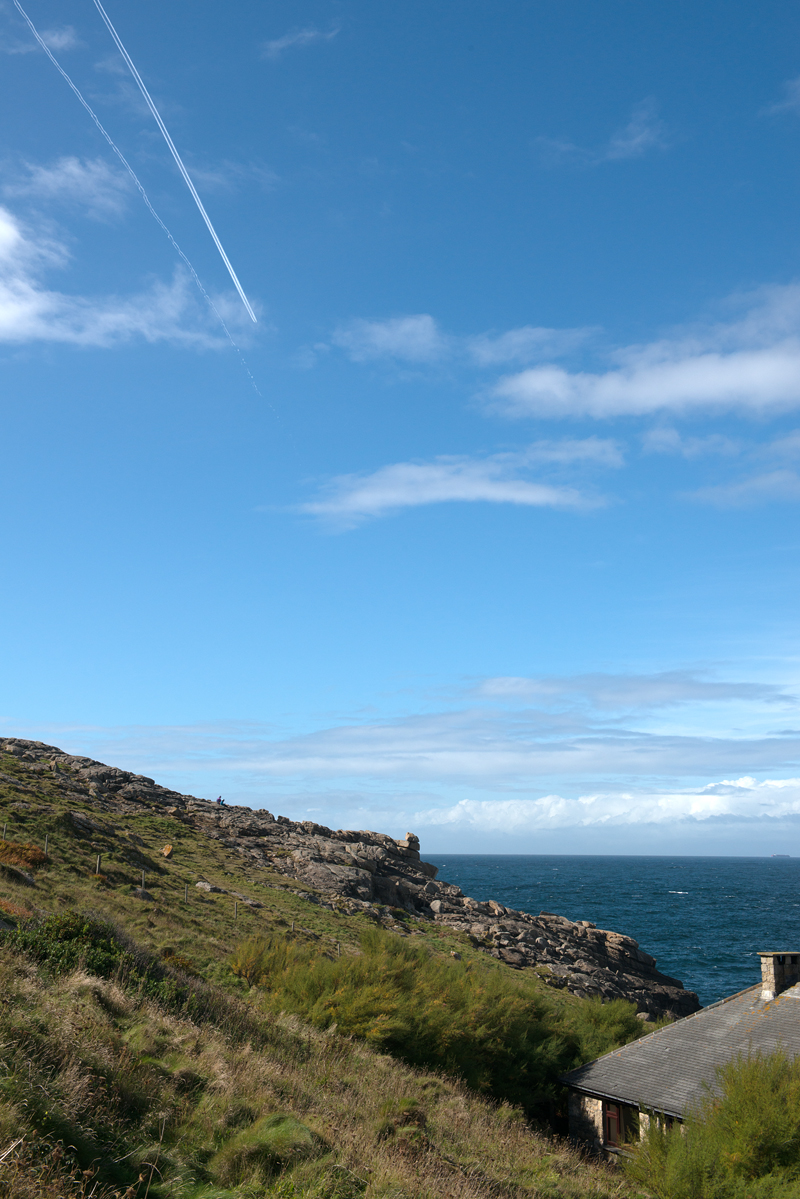
Land’s End itself is a pretty schlocky tourist trap development, set in the middle of an absolute outdoor paradise. It only took a moment to agree that a walk was in order. We walked north along the coast to Sennen Cove, a gorgeous little hamlet with a stunning beach and pretty harbour. On the way, we bade Godspeed to planes and ships that were disappearing off the horizon. If they were pointed westward, they were bound for North America.

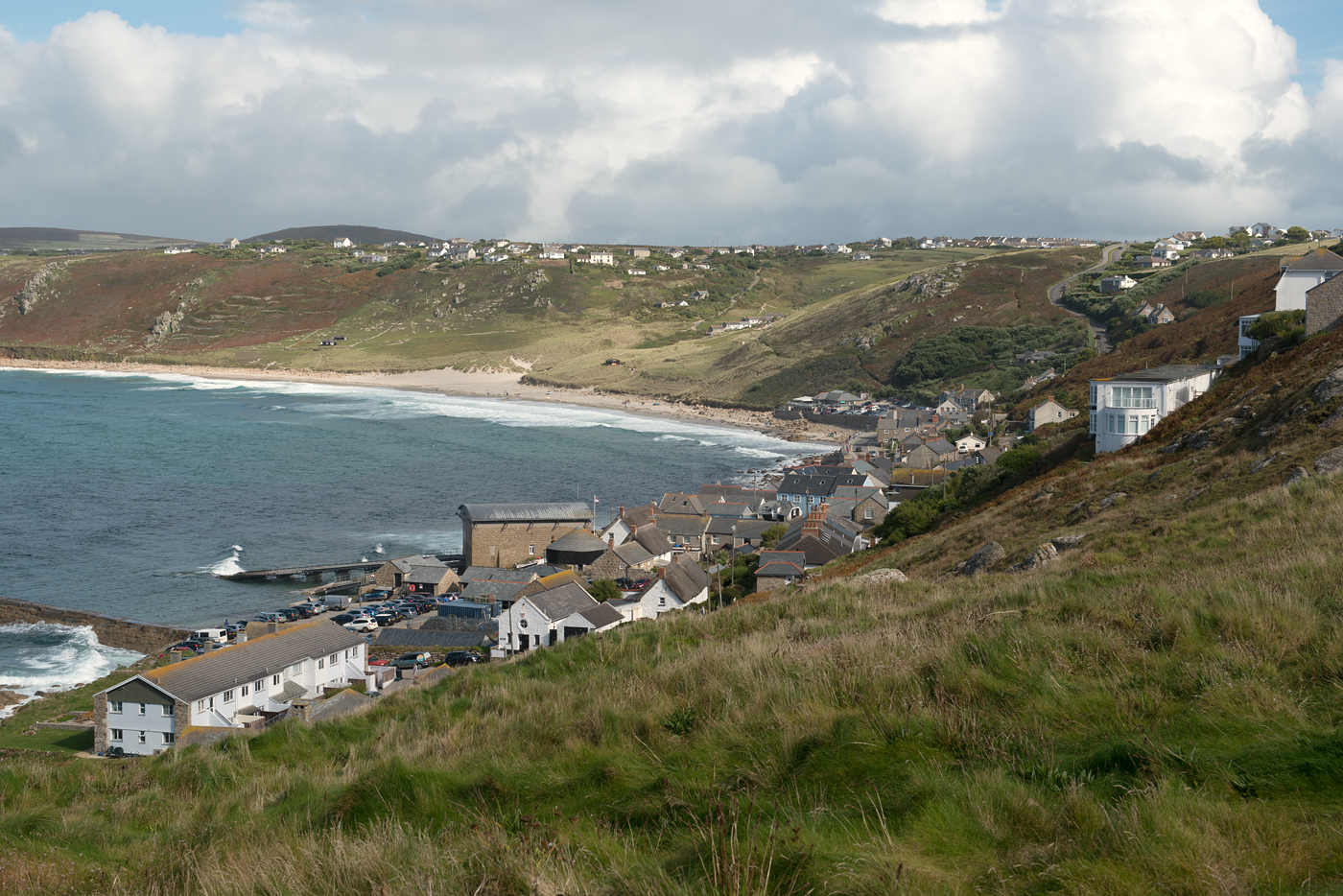
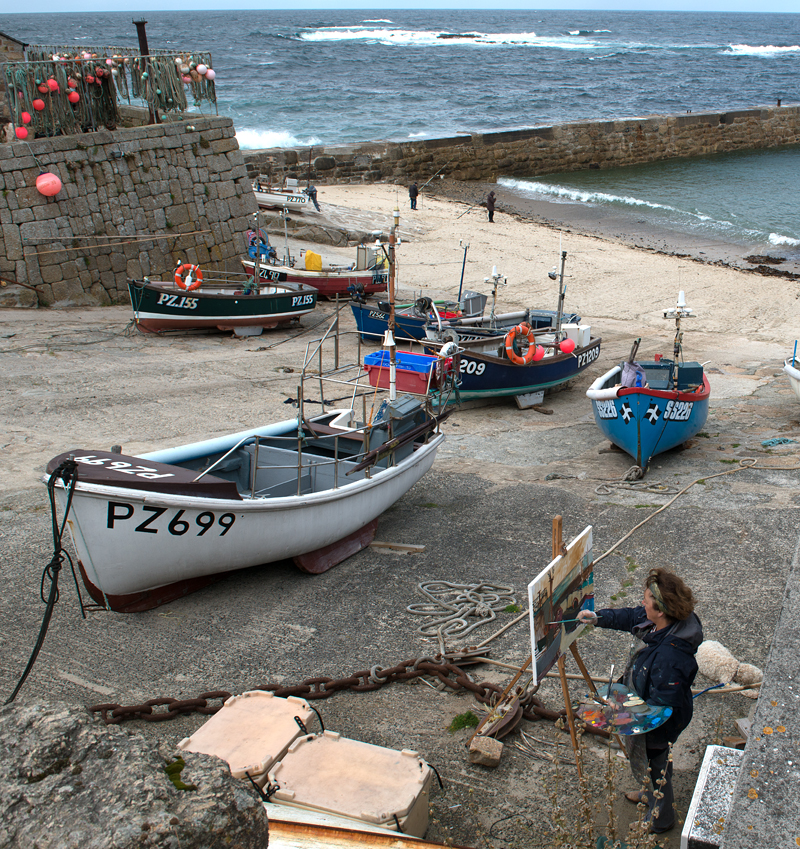
In Senen Cove, we had lunch outside a storefront cafe – the tables sat on one side of the road, the cafe itself sat on the other side. The servers dodged cars to bring patrons their food.
Returning to Lands’ End, we caught the bus back to town. It was an action-packed ride, since the bus often veered to the edge of the roadway where the trees humg below the bus’s rooftop clearance. We passed by standing stones, and more farms and small villages.

On to London
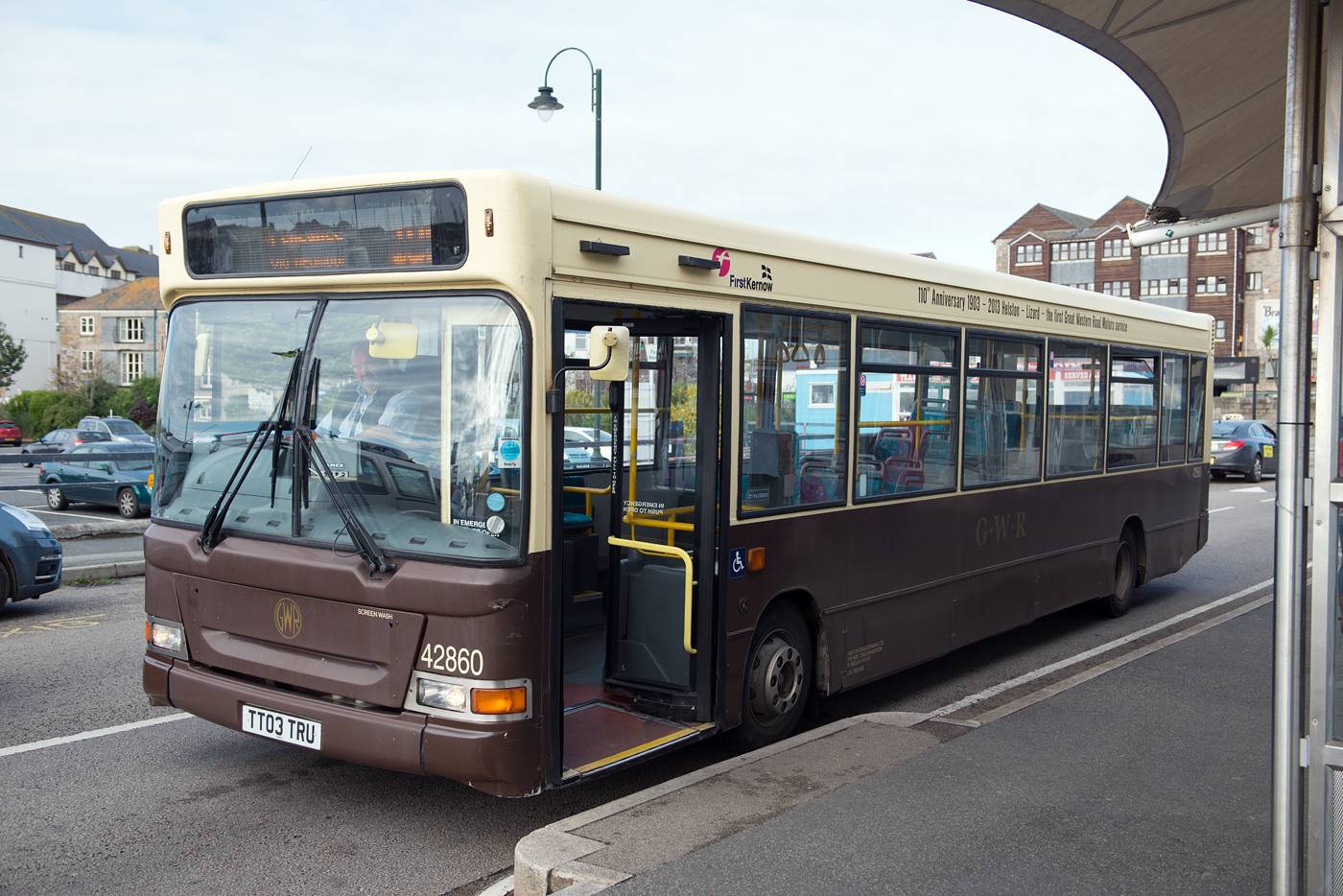
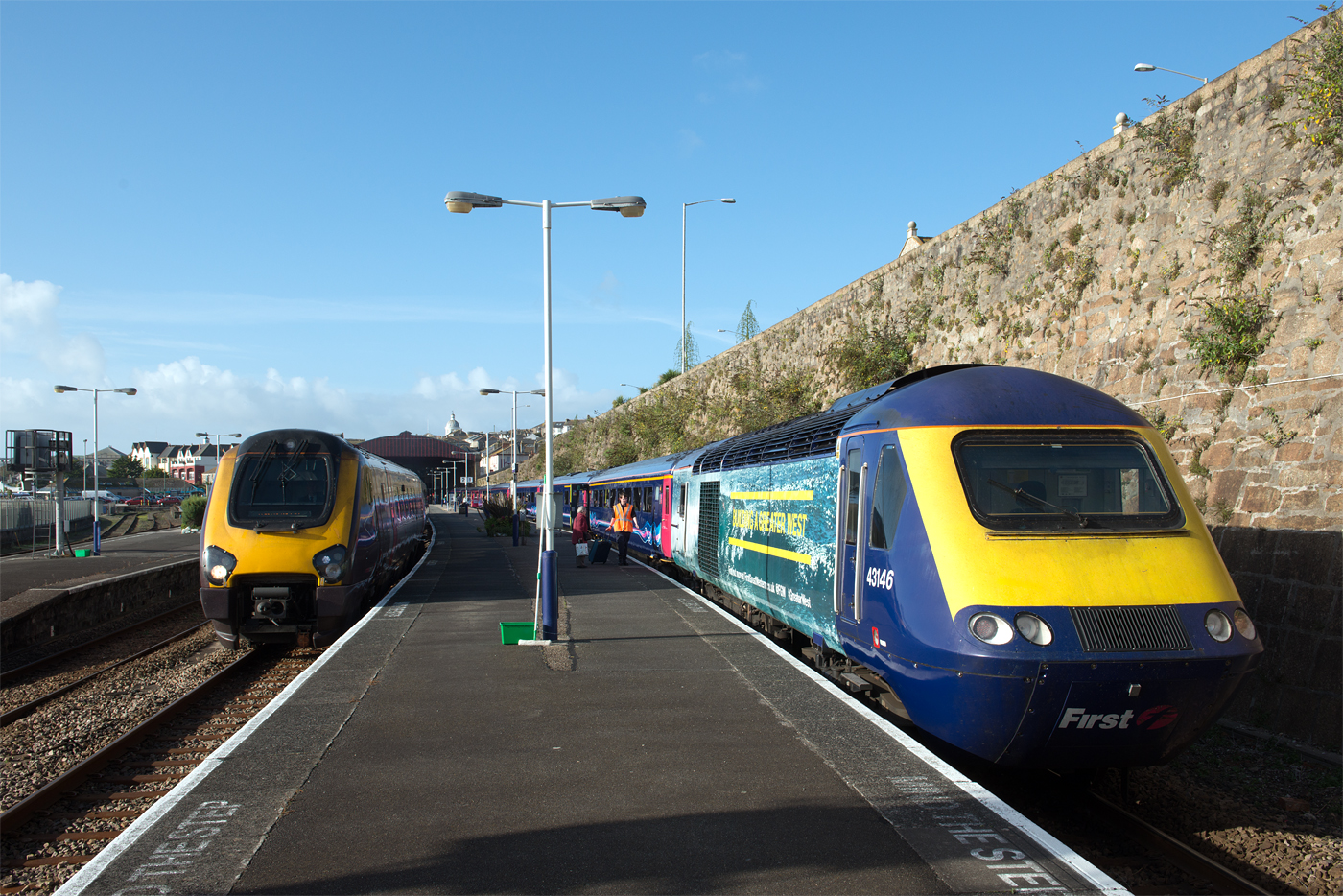
Did I mention those wonderful named Great Western trains? The next morning, we were back at the Penzance depot, to catch the Cornishman to London Paddington. Great Western is in the middle of rebranding, and we found both buses and trains hinting at new liveries to come. The crews on the train were abuzz with news of new uniforms, new decor, and new menus.
We hopped on board yet another GWR HST, the Cornishman, for a very sociable and restful ride to Paddington Station.
London, our final adventure, is on the next chapter – click here.
 Paul Cordingley