
No, it’s not all about alcohol. (Granted, the West Coast craft brew industry is heaven – but more on that another time)
Our north-westward adventure was an enthralling mix of civilization and wilderness. Nature is far rougher, far more intimidating up that way than I’d ever experienced. And yet, just when I had stopped to marvel at the incredible beauty in some truly isolated outpost, my Blackberry would buzz, and with a keypress or two I’d be back in the big city.
The “five bars” hook has two parallel themes: our discovery that in 2013, wilderness at high latitudes includes great cellular coverage, and our pursuit of the five “bigs” of the interior – Grizzly, Black Bear, Moose, Cariboo, and Mountain Sheep. We ticked off all five of the latter, and we texted home as we saw them.
The full report, and the photos, follow. Click on the photos to see them full size, I will figure out how to make WordPress do this eventually.
Pre Cruise
We flew to Vancouver June 5, for some visits with friends. Found a great hotel – the Sunset Suites on Burnaby Street. Highly recommended.
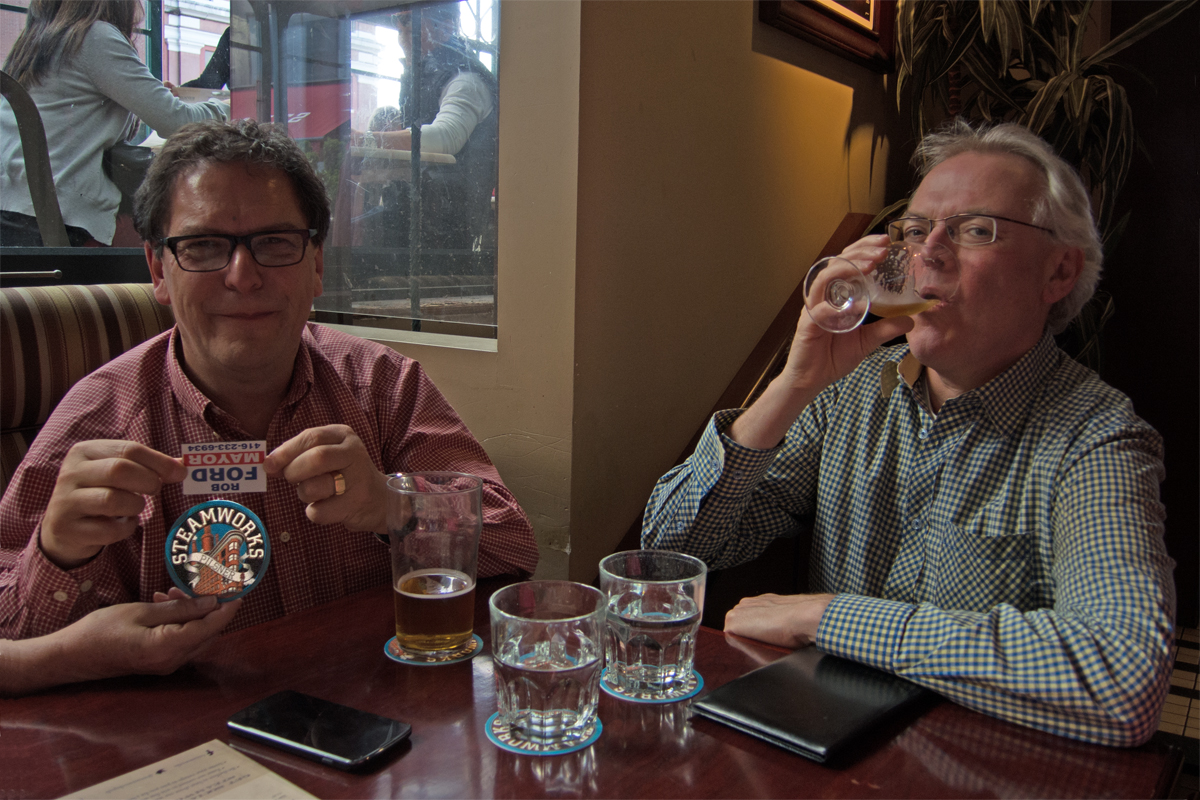
Mark took Paul on a tour of the area’s rail attractions and then off for a brew.
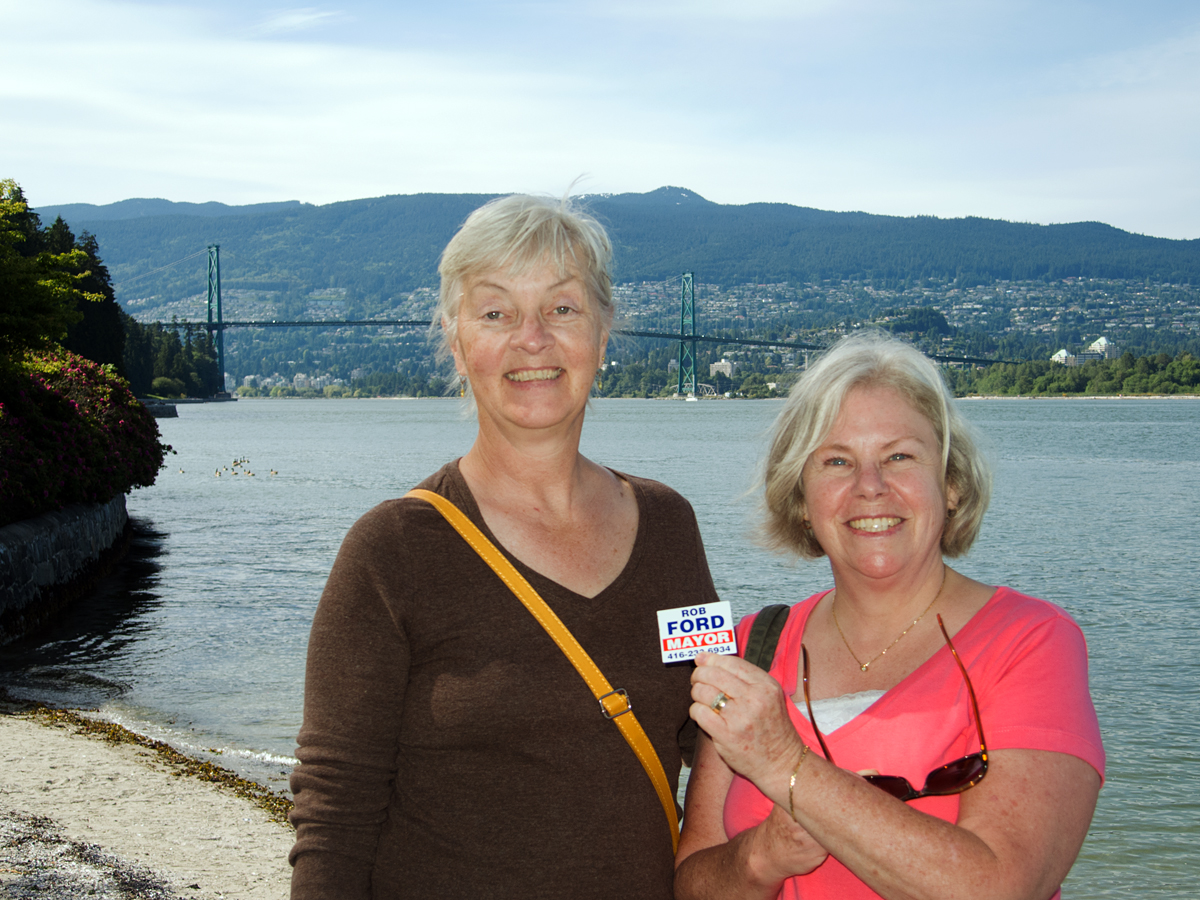
Patty took us for walks and sightseeing, and Stuart and Simon joined us for beer and salmon. As I said earlier, the west coast craft brewers are numerous and expert.
His Honour the Fridge Magnet even got to do some visiting.
The Cruise
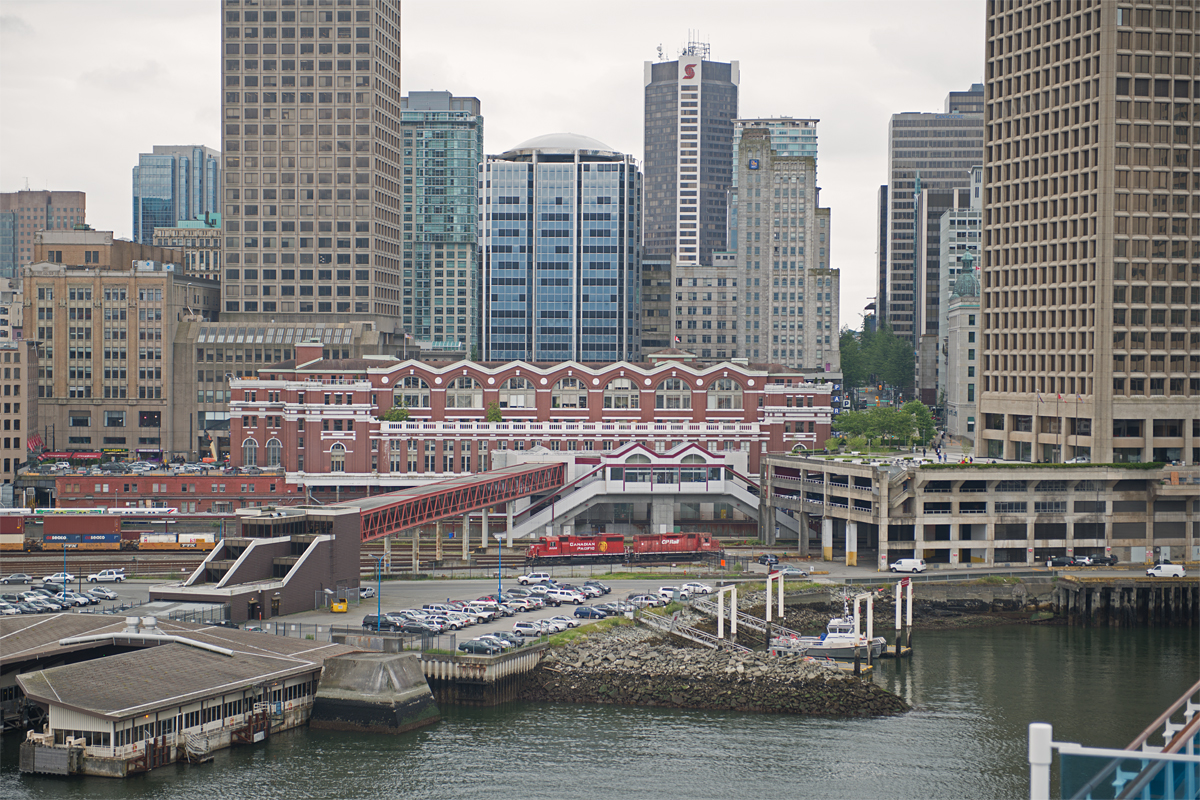
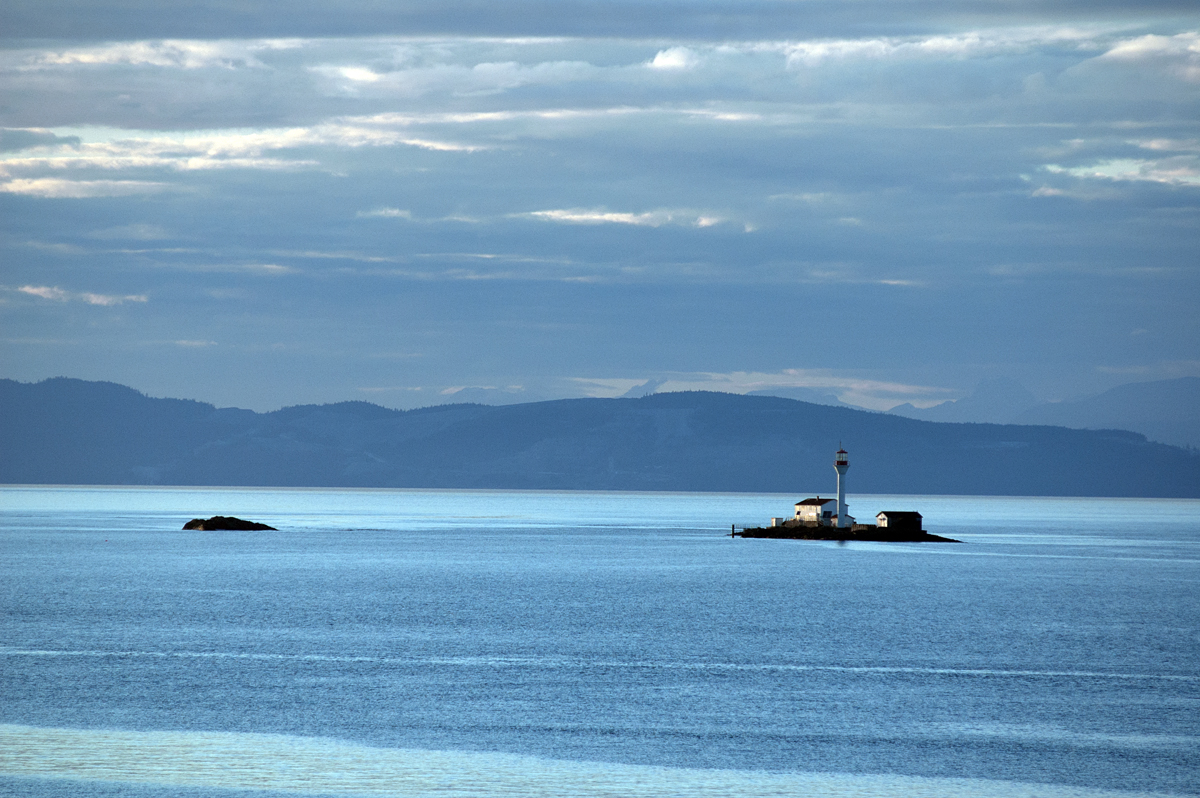
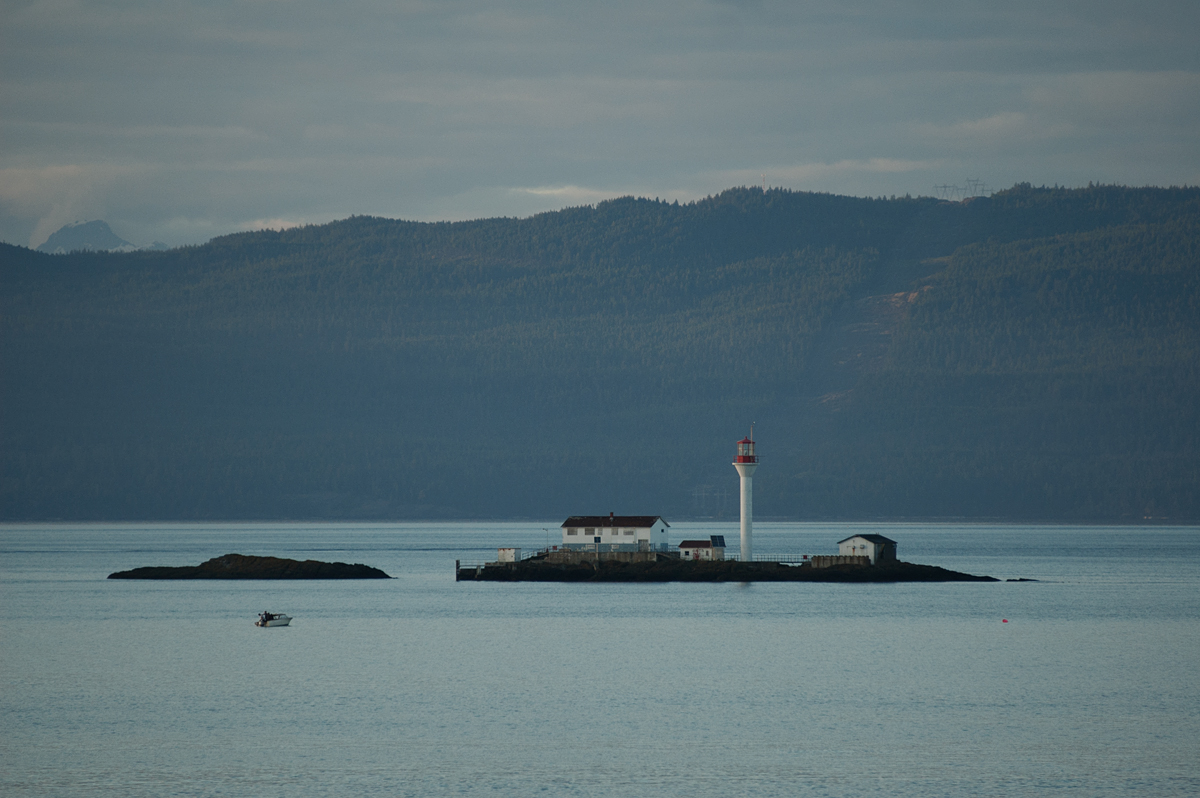
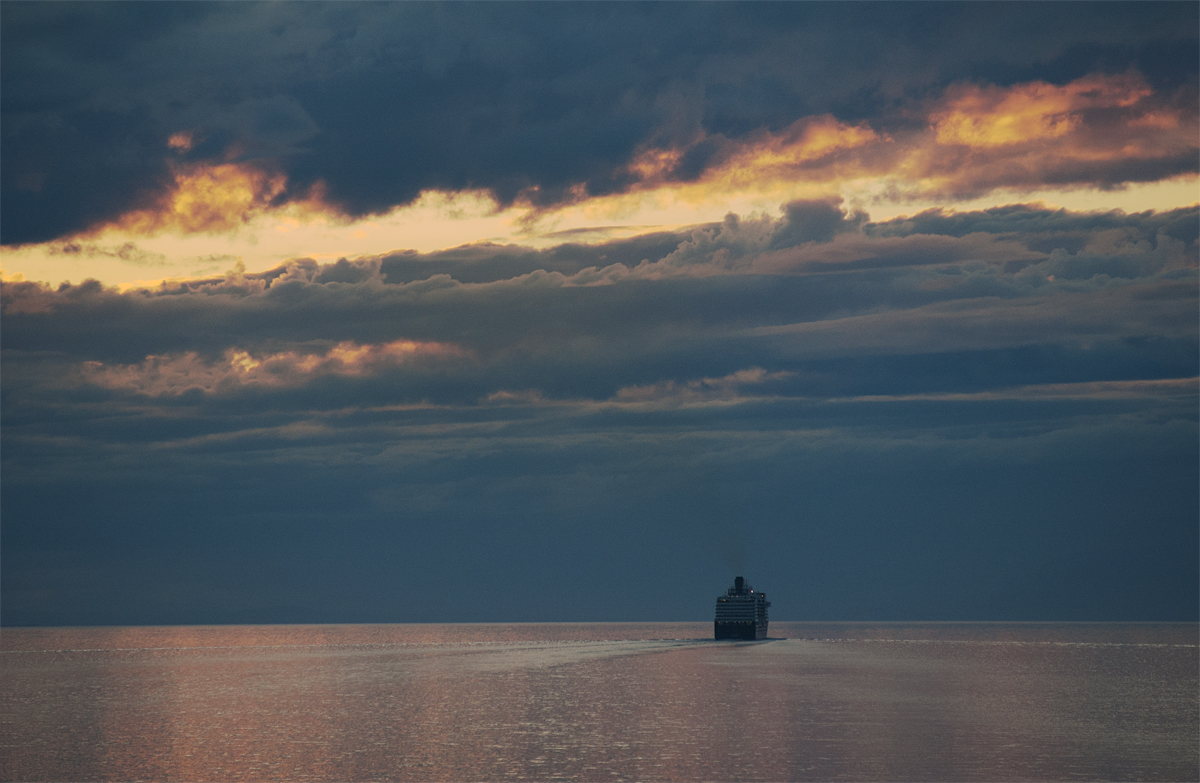
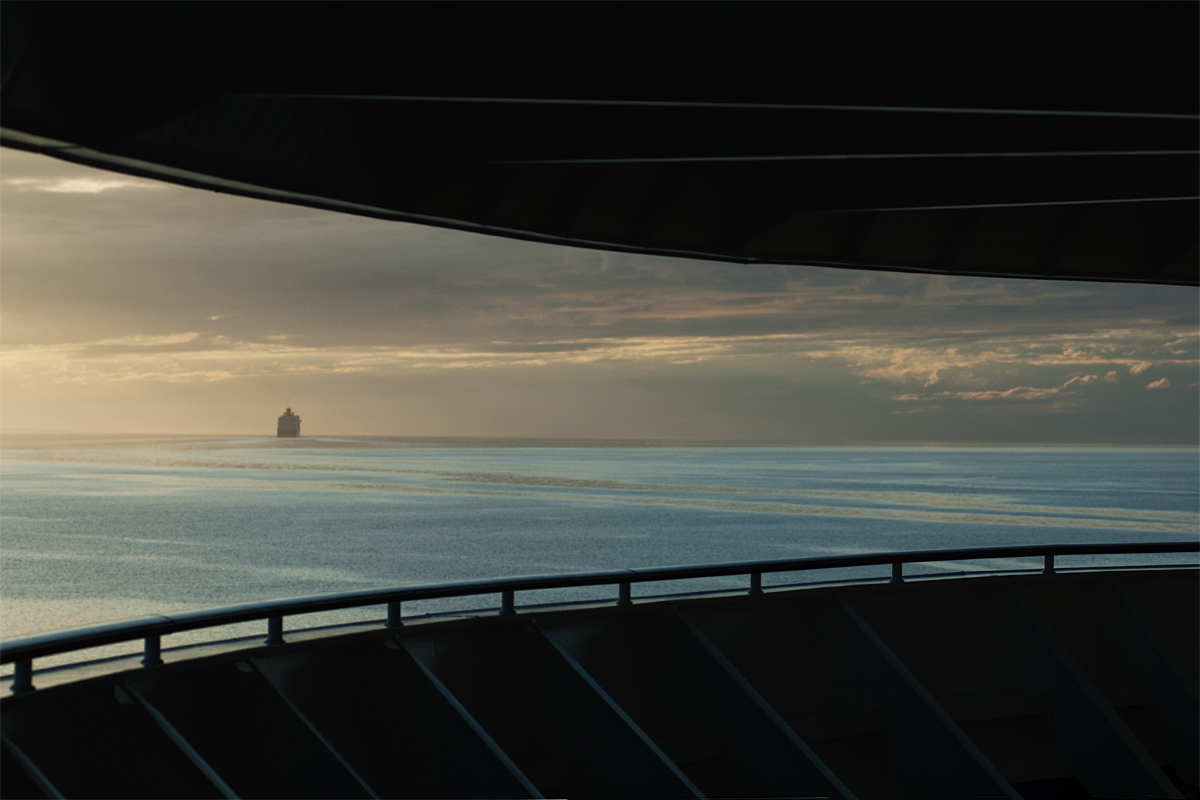
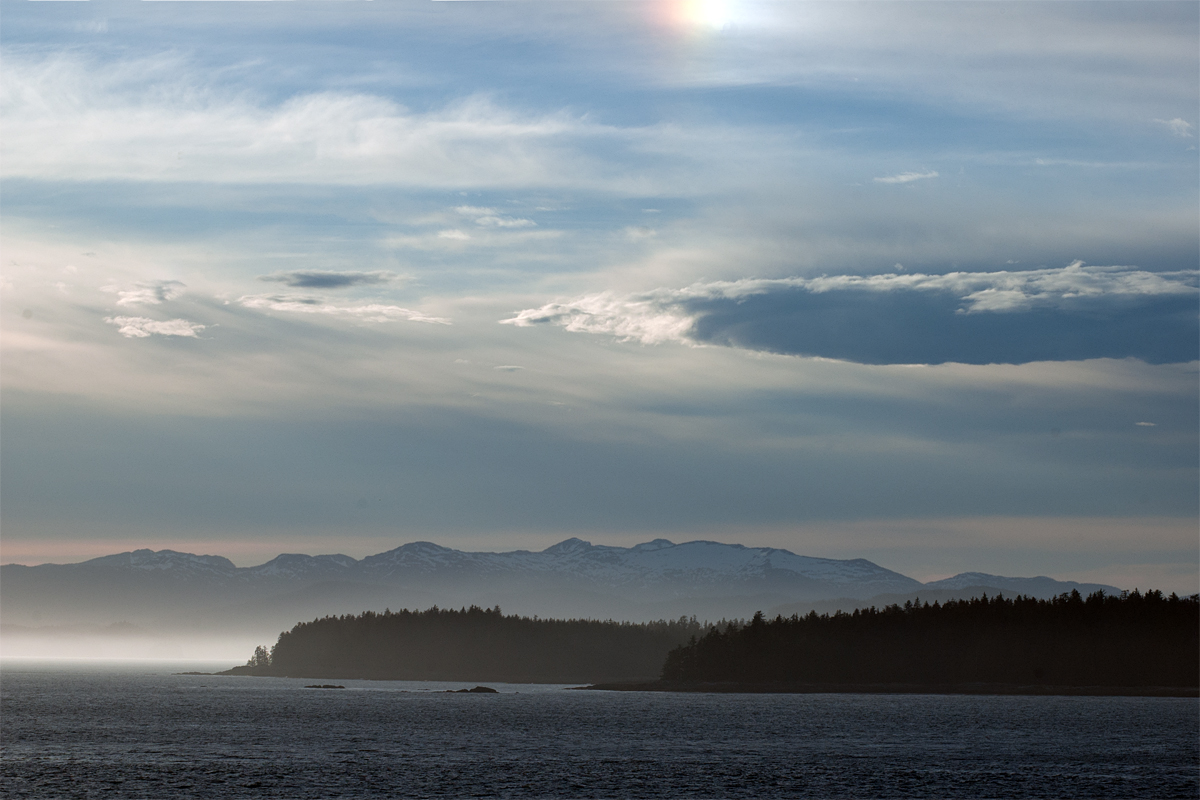
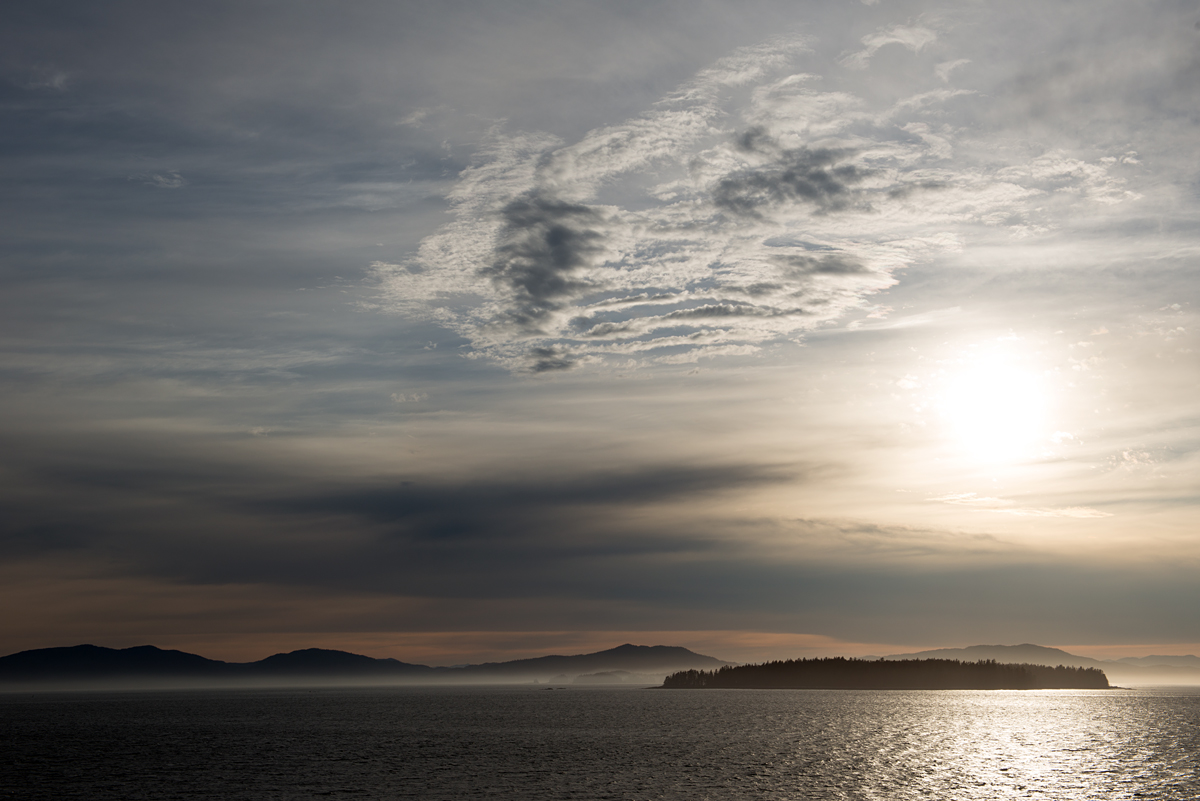
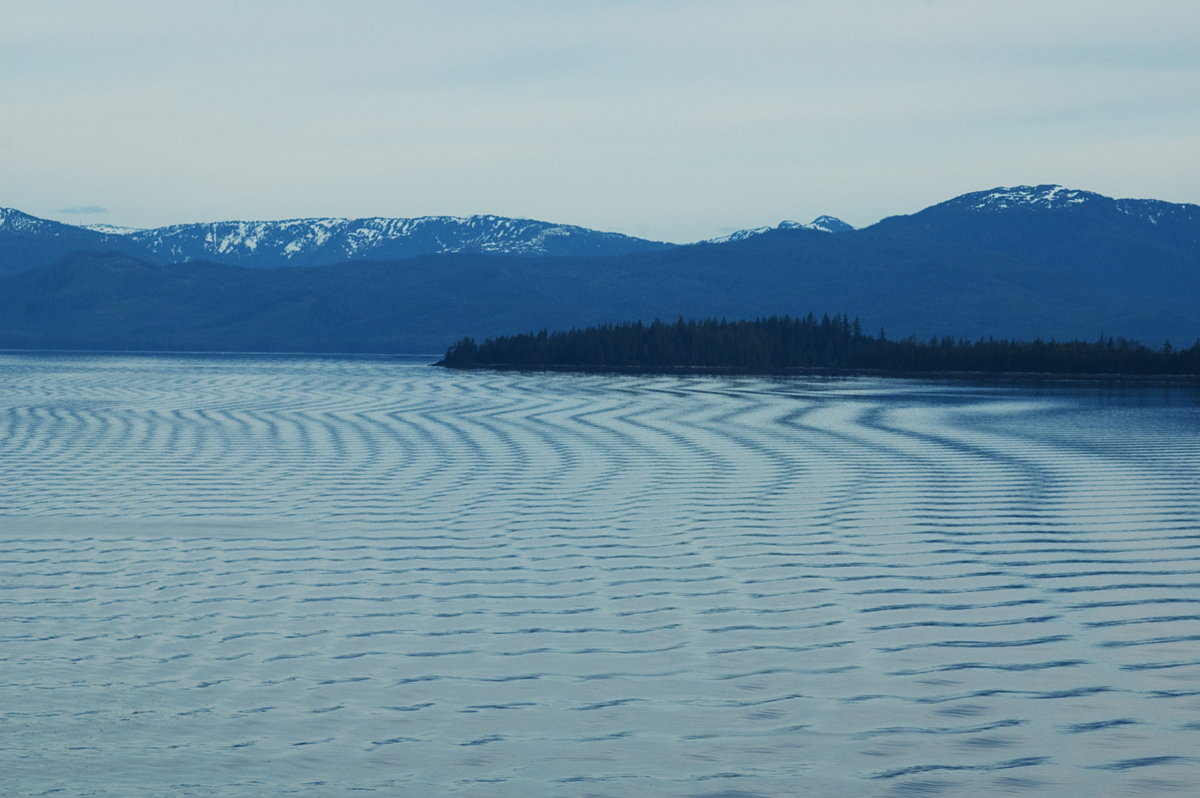
Our cruise ship, the Diamond Princess, departed Vancouver on June 8th. Mr Jackson sent an old friend, CP 1126, to wish us farewell. We were in cloud as we slid (barely) under the Second Narrows Bridge, but thereafter we saw lots of sun. For the first day and two nights, we sailed up the Strait of Georgia and on through Queen Charlotte Sound. At the cocktail hour, we were treated to plumes of spray from humpback whales. There were lots of clouds, and gorgeous sunsets, and other ships. And all manner of waves.
We are pretty lazy cruisers. We avoided formal night, skipped the shows, ate light (sort of) meals in the buffet, didn’t drink too many beers (lousy selection, but some was on tap). Mostly we walked outdoors…..five times around the ship twice a day, five floors up or down every time we headed to the buffet and another flight to the sightseeing deck….then we collapsed in the chairs on our balcony and stared at the marvellous views. The ship was smooth and quiet, so the only sounds were the wind, and the waves, and the odd seagull…..and the chirping of the blackberry as we moved in range of each coastal town along the way.


Land Ho
The ship made three stops: Ketchican, Juneau, and Skagway.
Ketchican is a small village with a few bits of colour. It was a good introduction to the life of the cruise tourist: plenty of shopping (who goes to Alaska to buy diamonds? They may be mined locally, but you can be sure they have already visited Manhattan before coming back to the high end stores!), frustrating walks behind crowds of tour groups (four ships in port each day), and tasty lattes in internet cafe’s while collecting email.
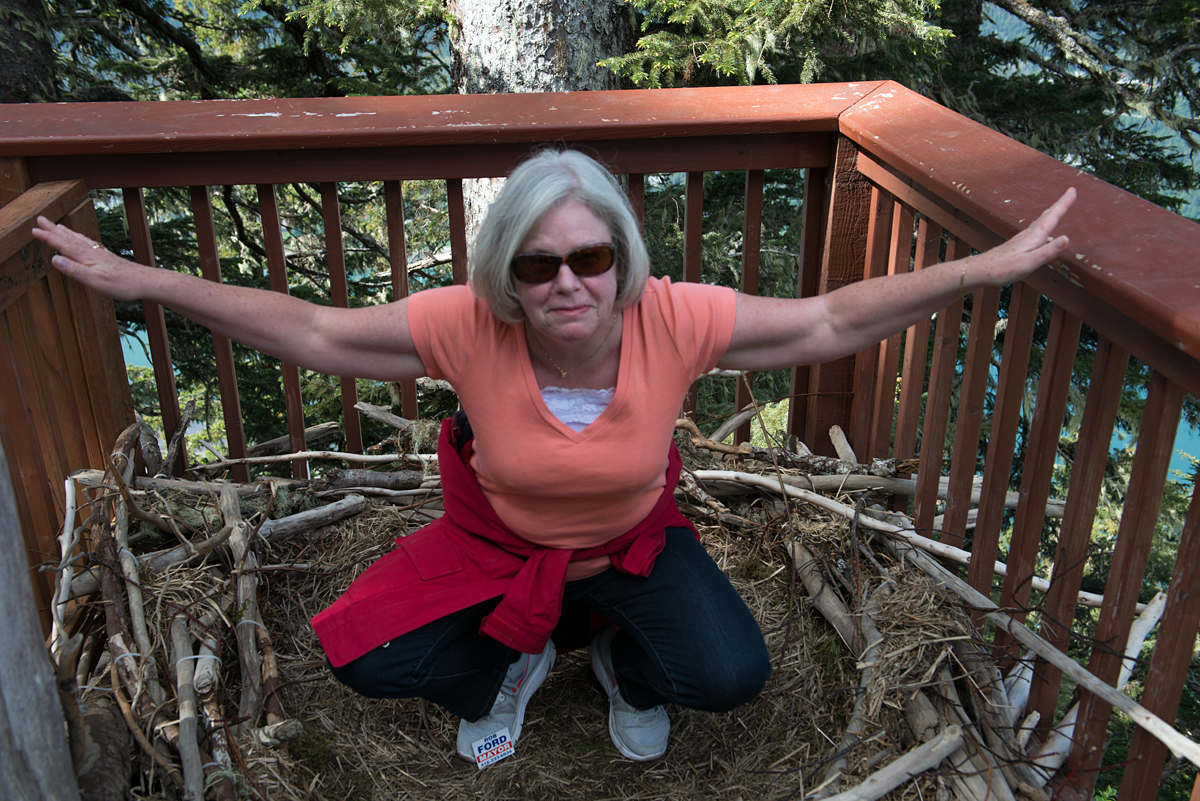
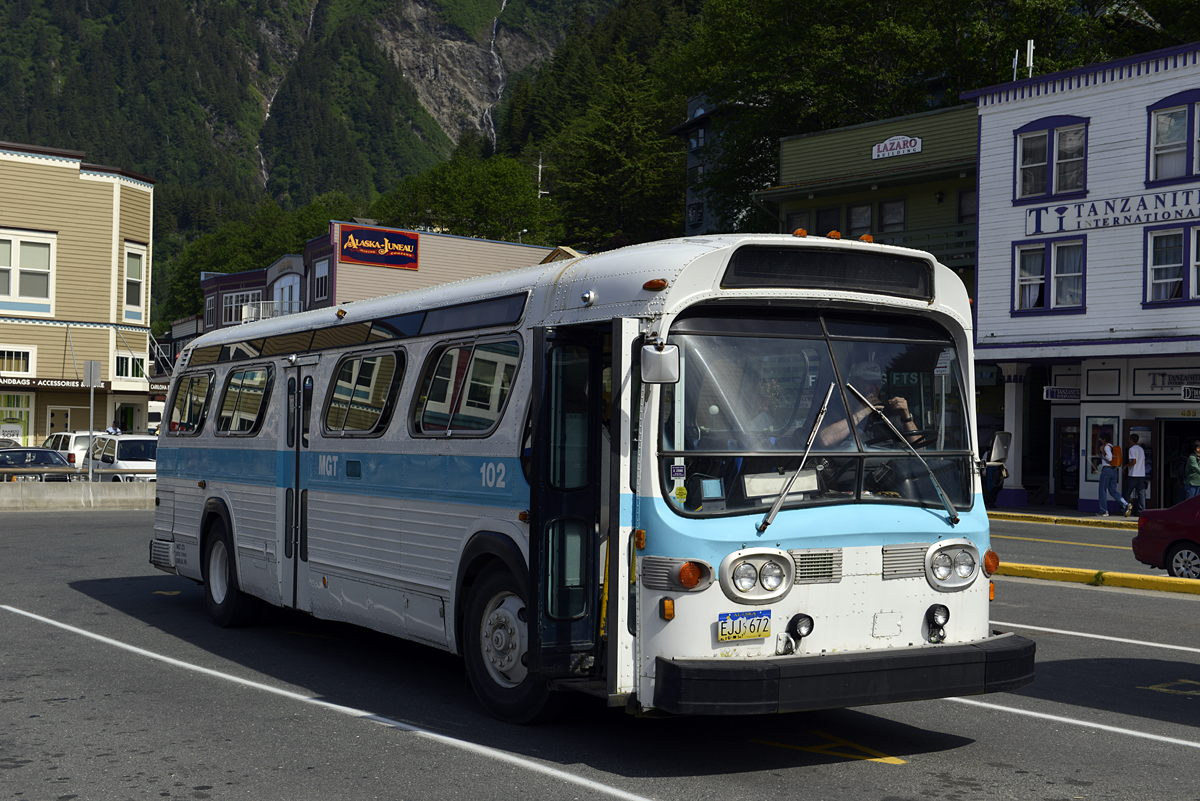
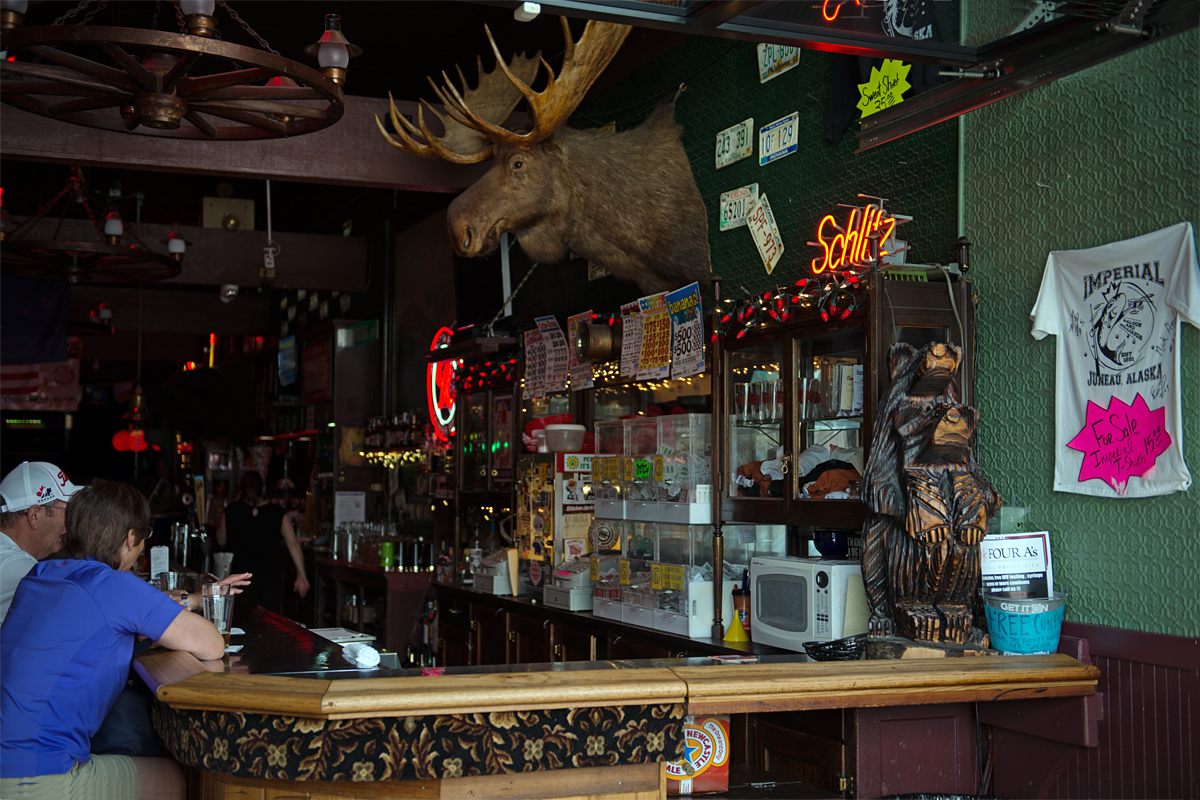
Juneau, Alaska’s landlocked state capital, was the most likely to get a return visit. There were several good pubs, and easy access to the great outdoors. We took a ride up the cable car, netting a great view of the town and a hoary marmot sighting (really!) while watching crazed tourists tearing down the slopes on improvised toboggans. (It wasn’t quite spring up there). Jan checked out an eagle’s nest….there were many bald eagles soaring over the fjord. Then we rode a vintage bus to the Mendenhall Glacier for a nice hike…..under blazing sun. Then we sampled more local beers. White (wheat) ales and India Pale Ales seem to be the favourites out there.


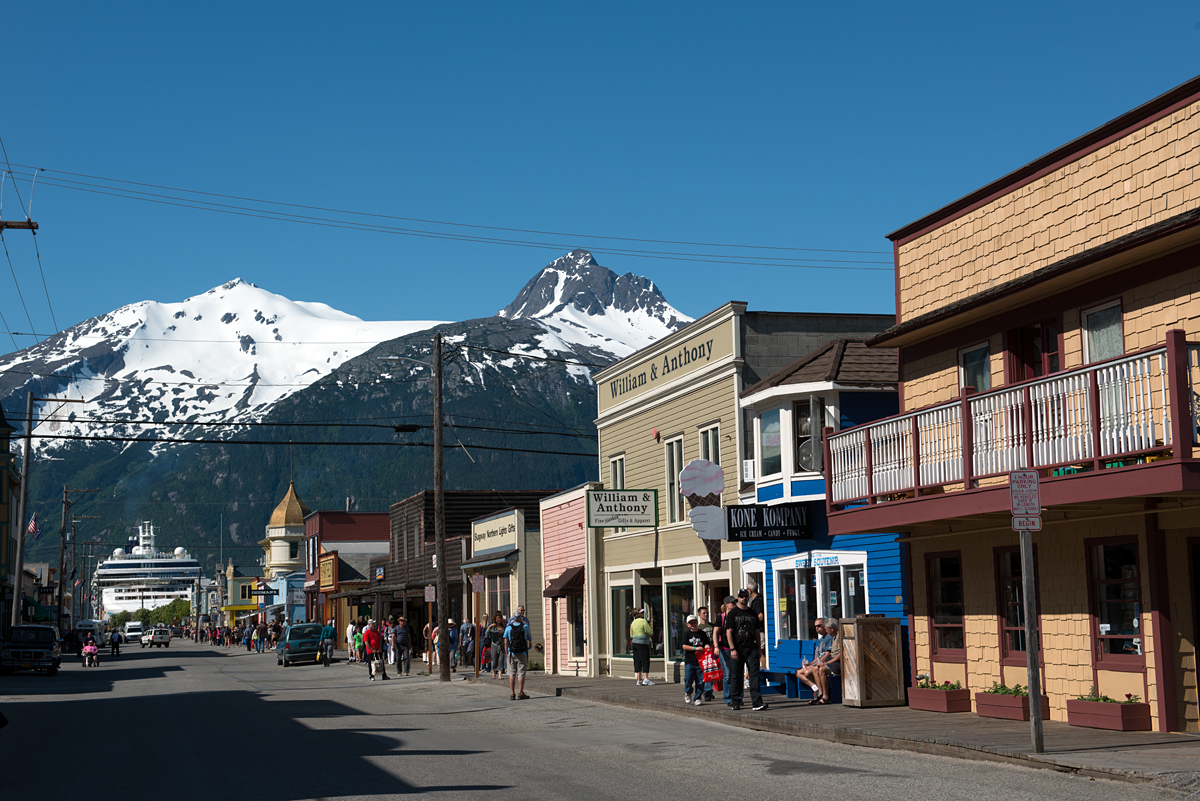
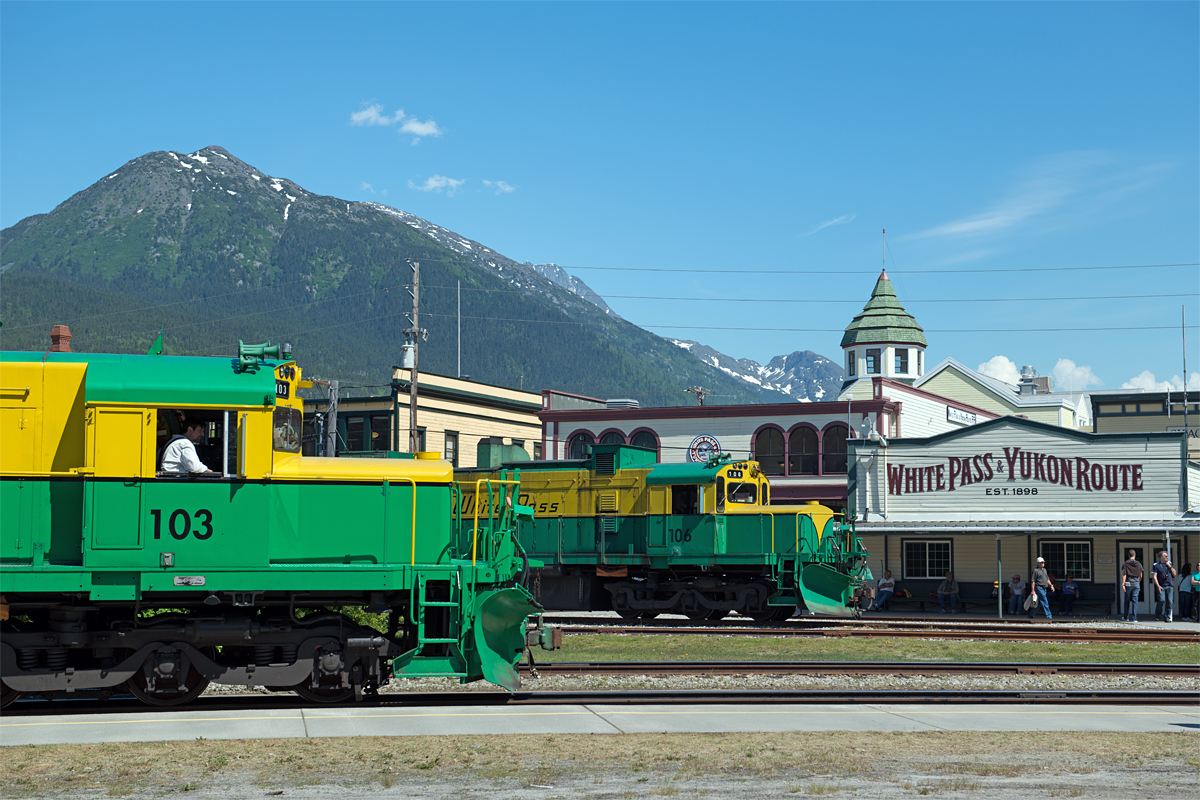
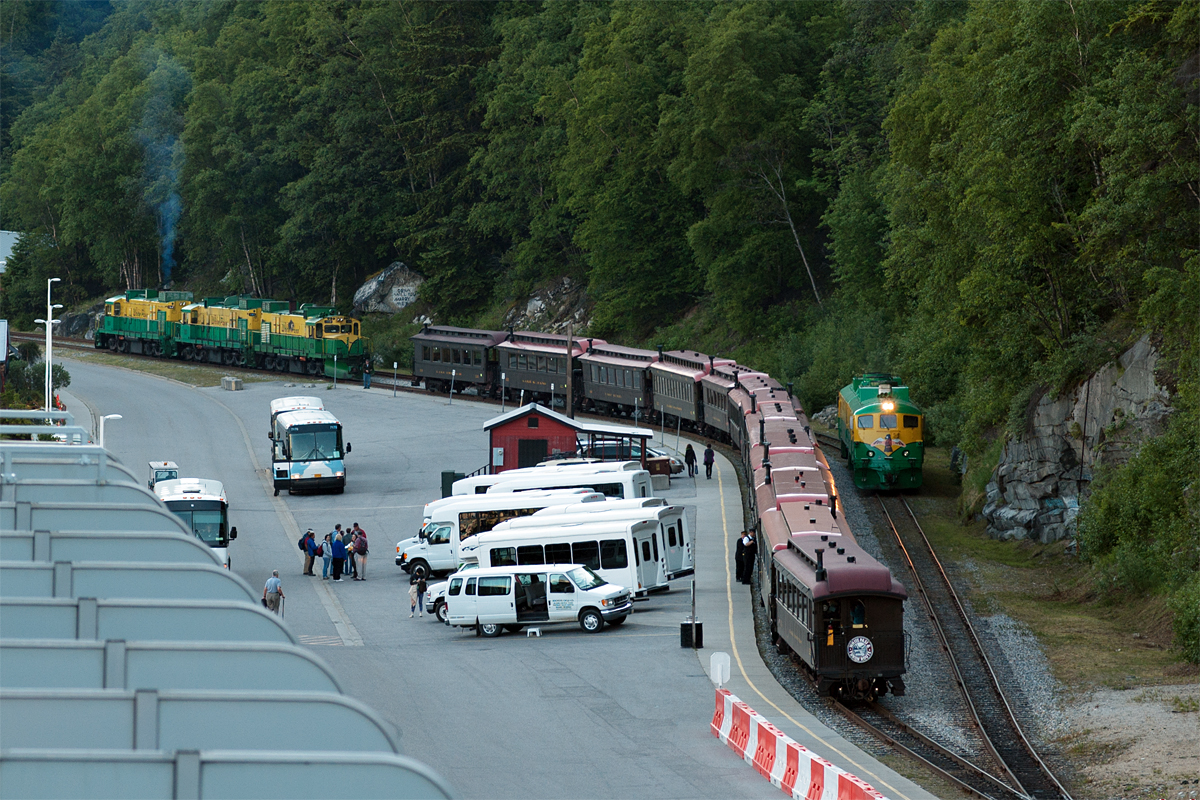
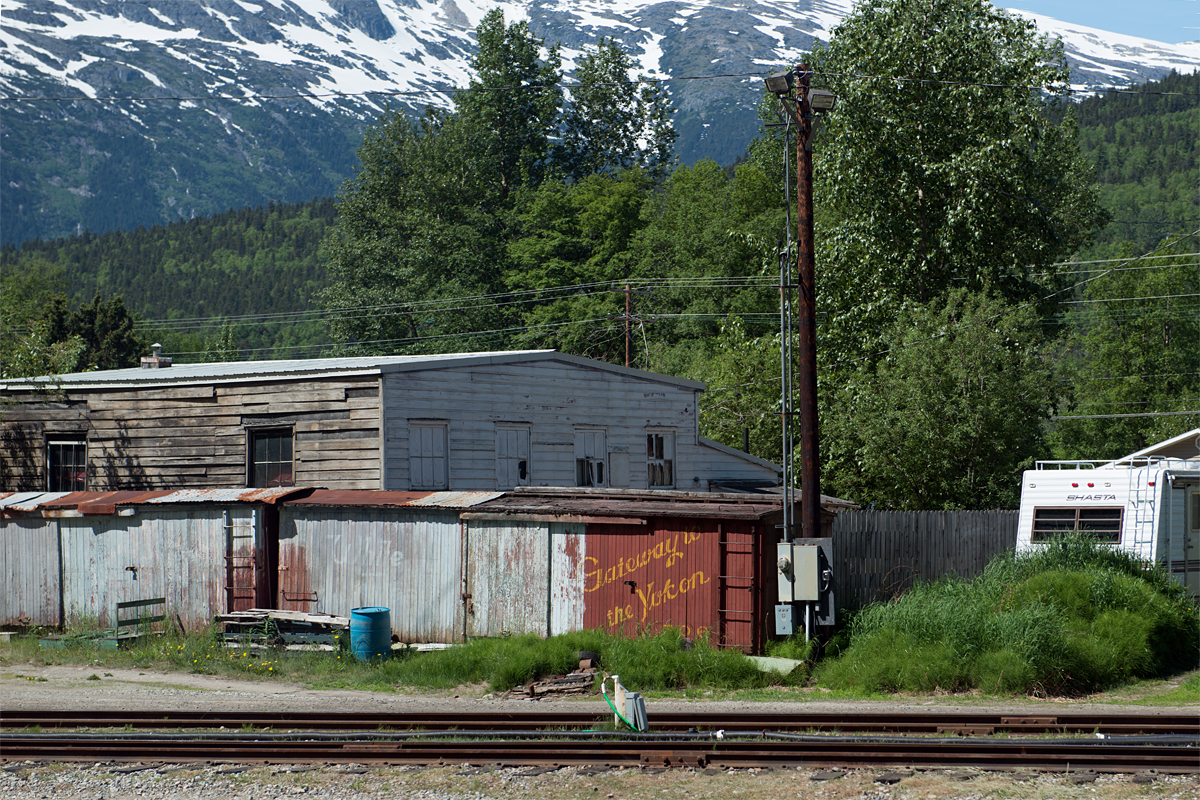
Skagway is a small shopping strip and a train station. The cruise ships tie up at the end of the main street. The tourist shop thing was getting stale, so we walked the extra mile to the train yards – a very pleasant stroll in crisp clear air. Then we returned to the quay to board the White Pass excursion.
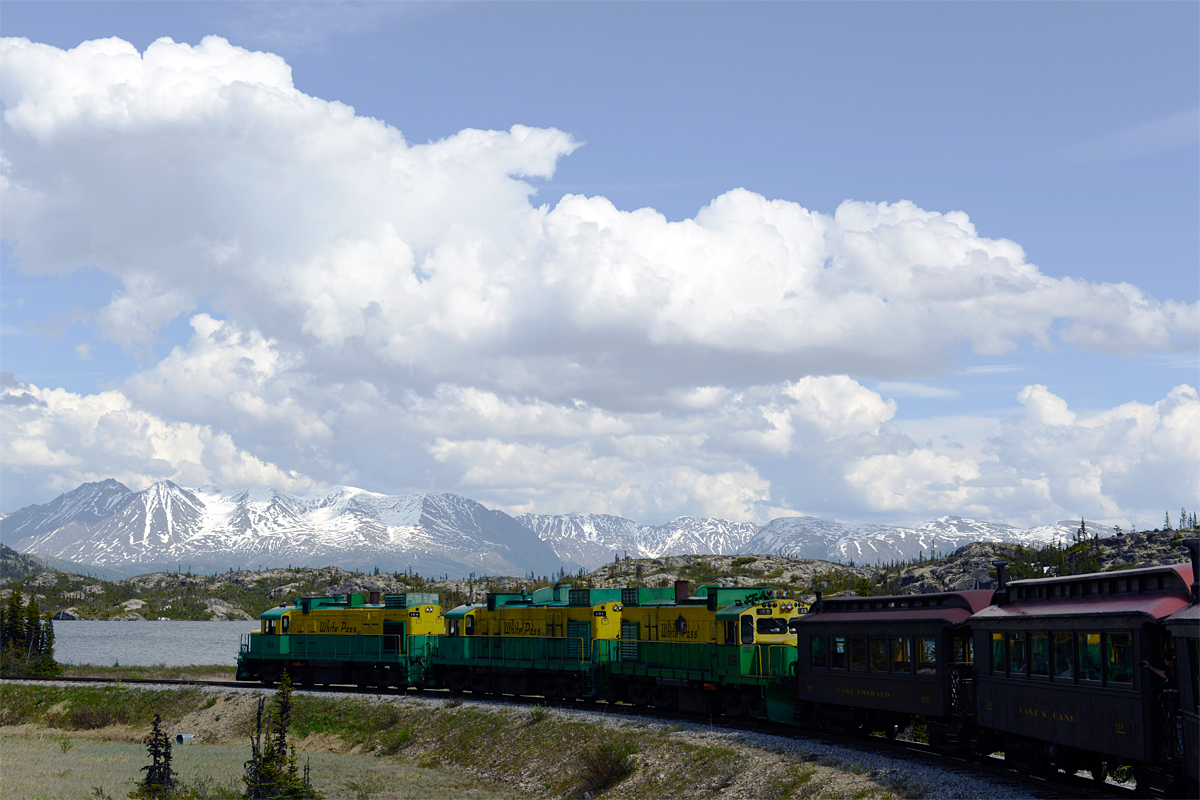
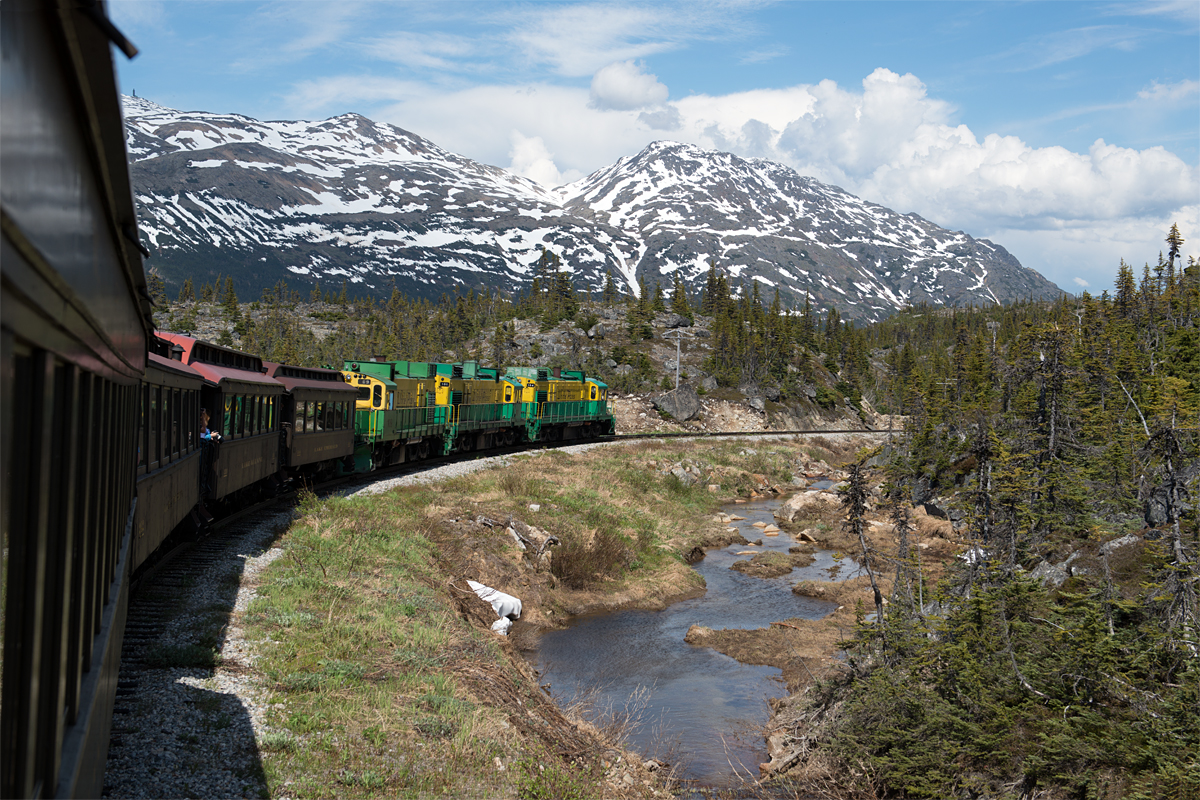
The ride on the White Pass and Yukon Railroad was a thrill.
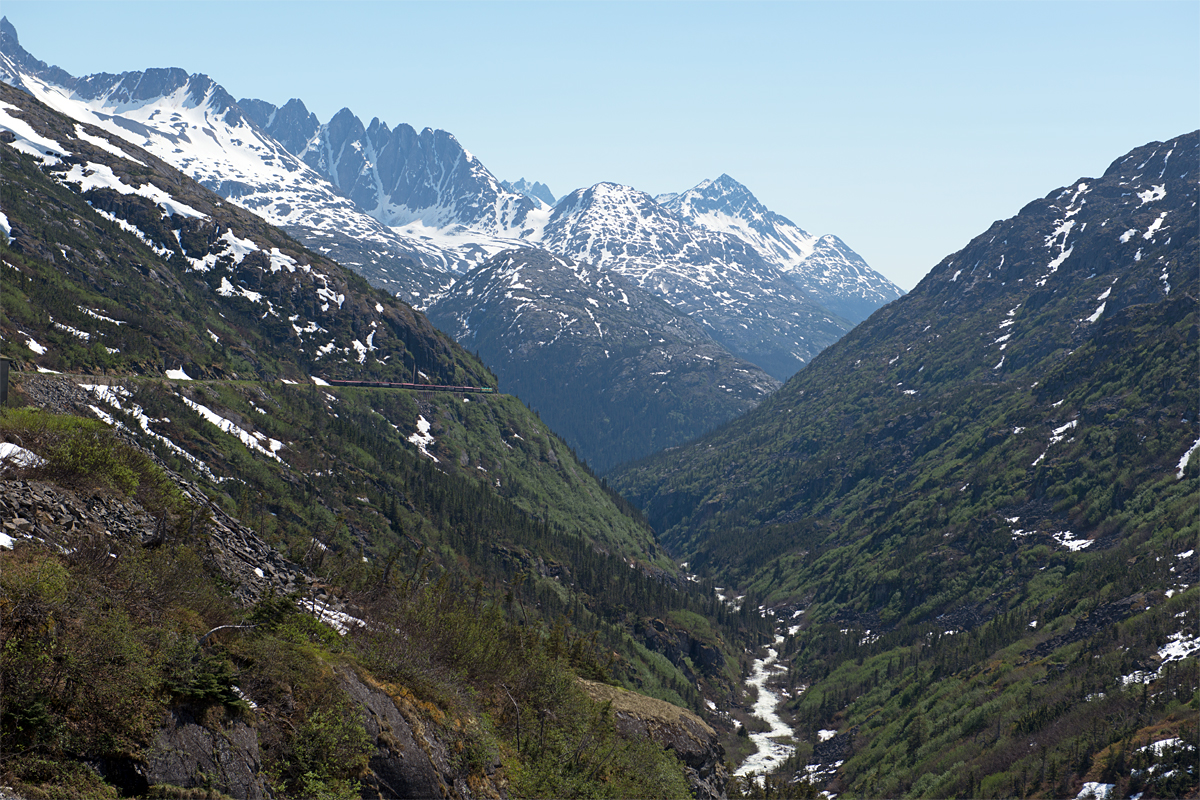
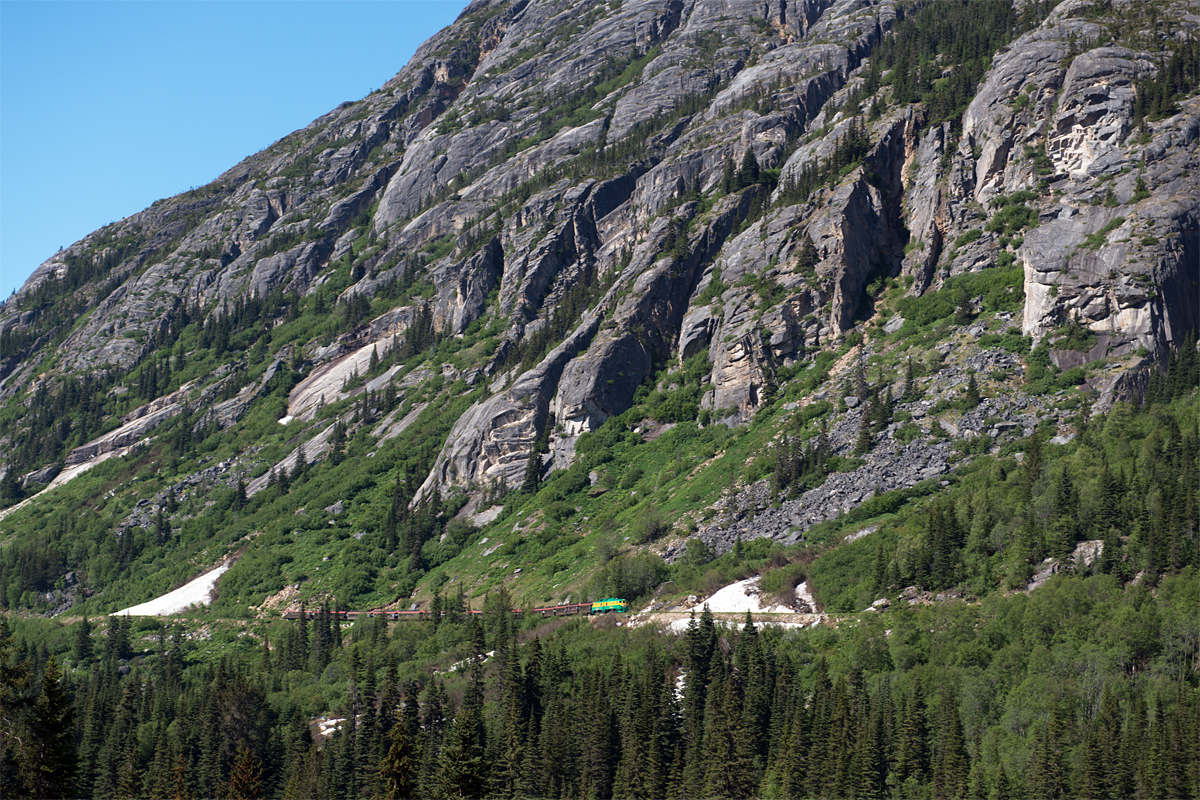
Most days the White Pass runs at least four sections, one after the next, all on a “manual block” basis with streetcar headways. You look across the gorge and watch the parade of trains as they head for the top of the mountain.
As luck would have it, our train was first out for the afternoon runs. As the first section, we were sent to the farthest turning around point, so that the official turning point would be left clear for later trains.
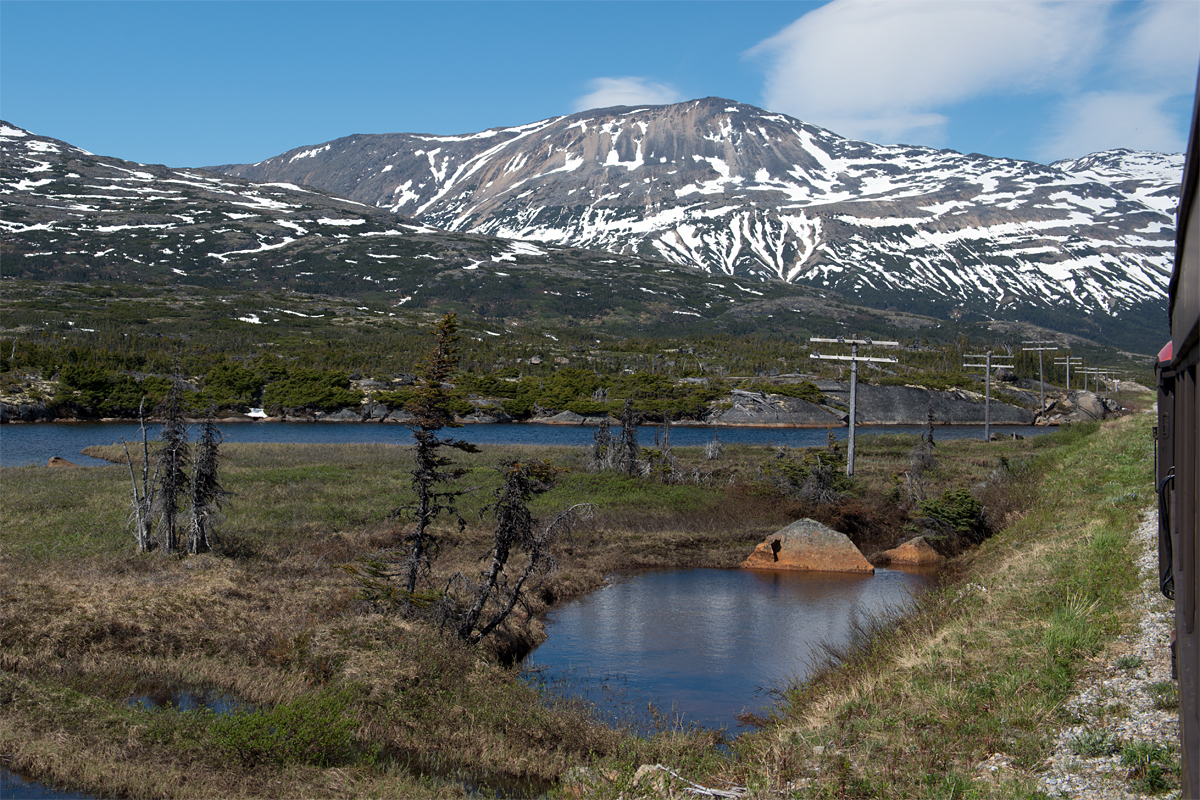
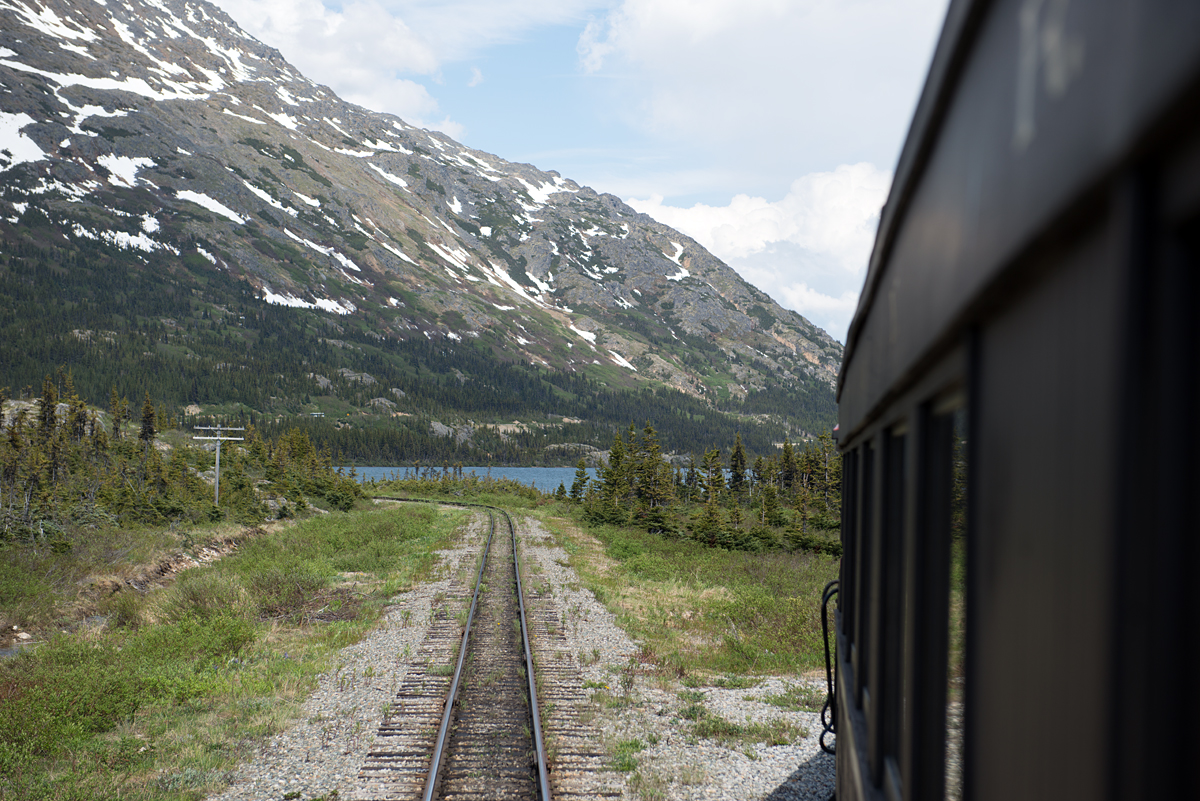
The added route miles took us back into Canada, over the coastal mountains and beyond the treeline, up into the high meadows that run northeast to the Yukon. It was an entry into another land……one with a true frontier feel. The “meadow” was mostly gravel, lake, and tundra-covered permafrost. Up there it was barely springtime, and the creeks sparkled with ice cold runoff from the melting snowbanks. The mountains in the distance were more jagged and snow-covered.
At the turning point, the train pulled into a loop track, pausing to clear a following train bound for the end of track further up the line at Carcross, YT. I stood in the open vestibule, eyes glued to the view.
The roadbed sits in hard rock grooves and on gravel fill that will not sag or wash away. Rails or no rails, the roadbed will last for centuries. The men who built it weren’t simply adventuresome pioneers – they were plain crazy, intoxicated with dreams and ambition. You look down the mainline towards the north, and you feel the magnetic pull.
As we waited to return, another train passed, heading to the end of track at Carcross. I watched in envy……so badly, I wanted to ride onwards.
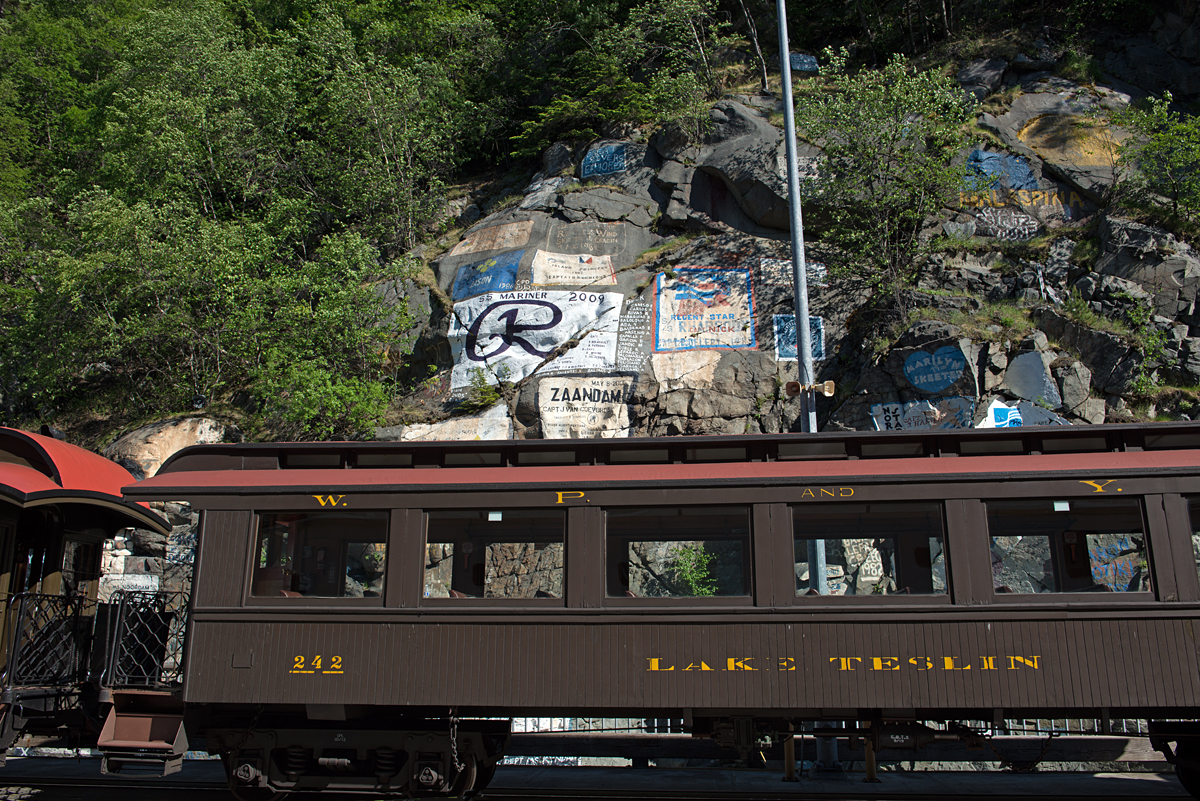
Back at the docks, we saw one last bit of pioneering. It’s a Skagway tradition that every visiting ship paints its emblem on the rocks. There must be a lot of hardnosed ship captains to send their seamen up those heights.


Glaciers
From Skagway, it was back on the boat and off to Glacier Bay and College Fjord.
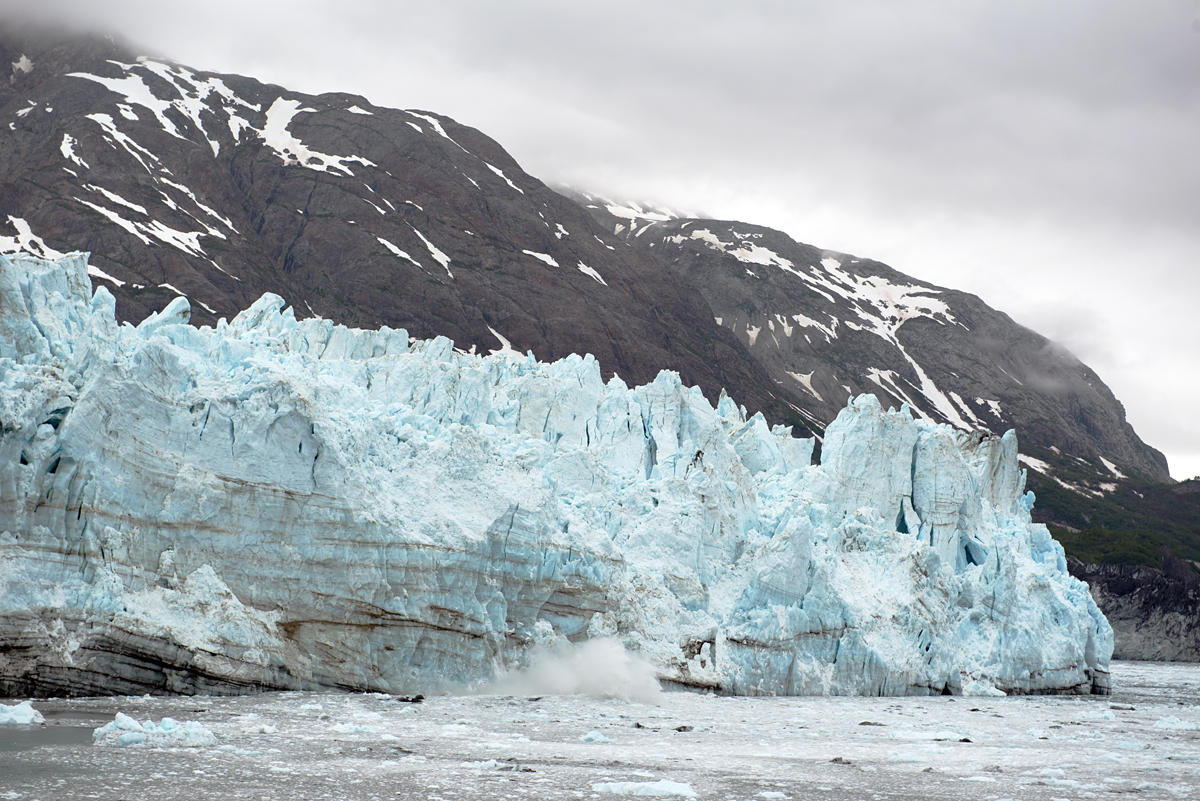
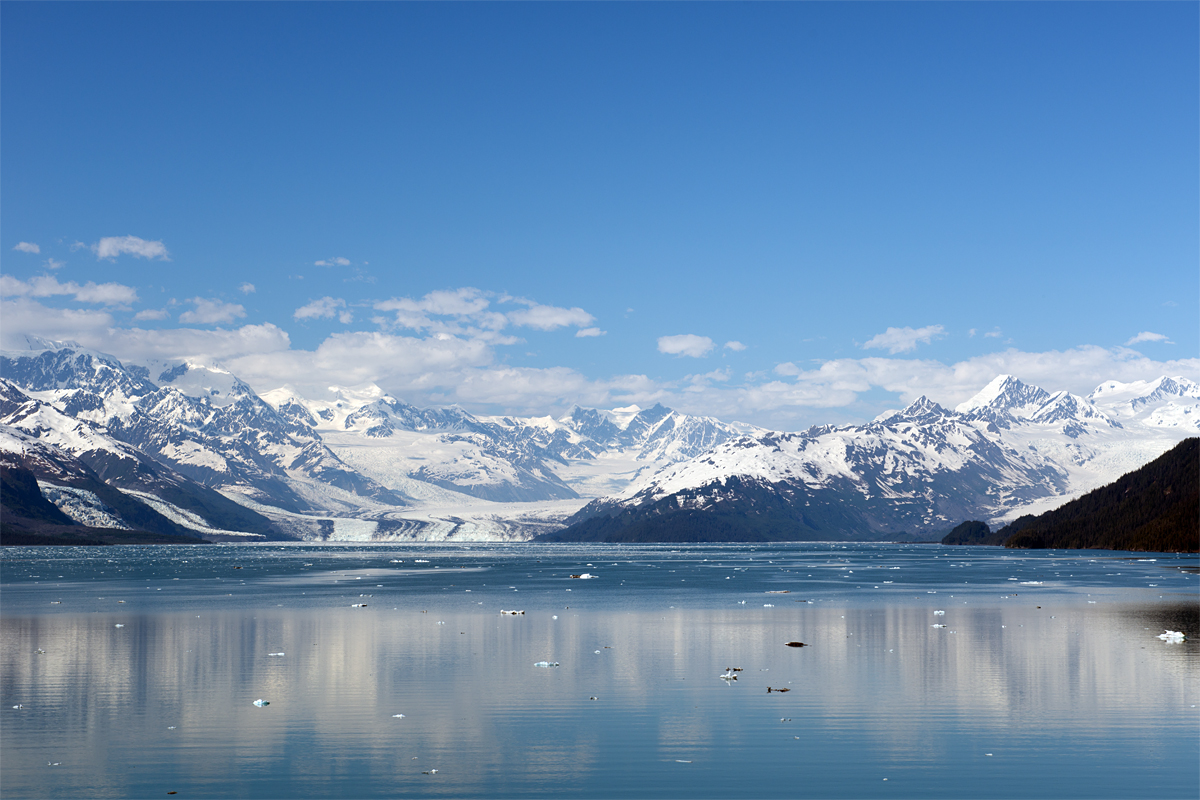
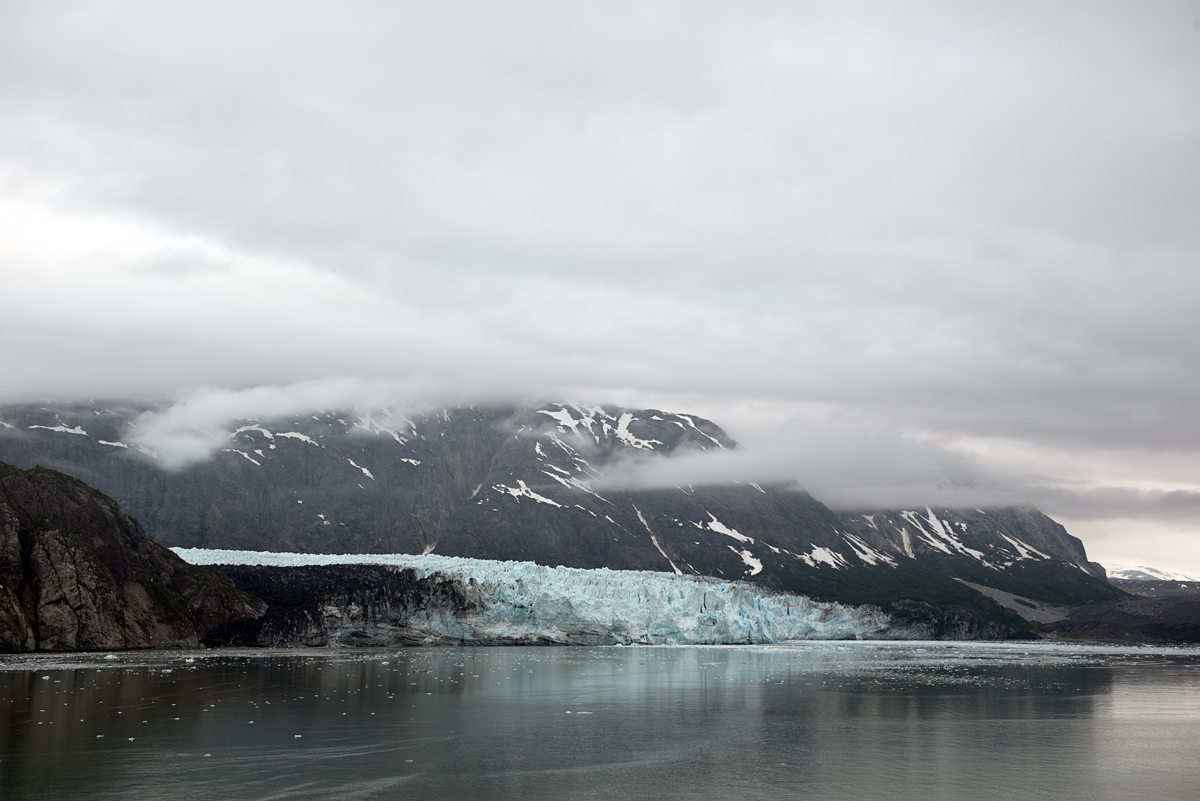
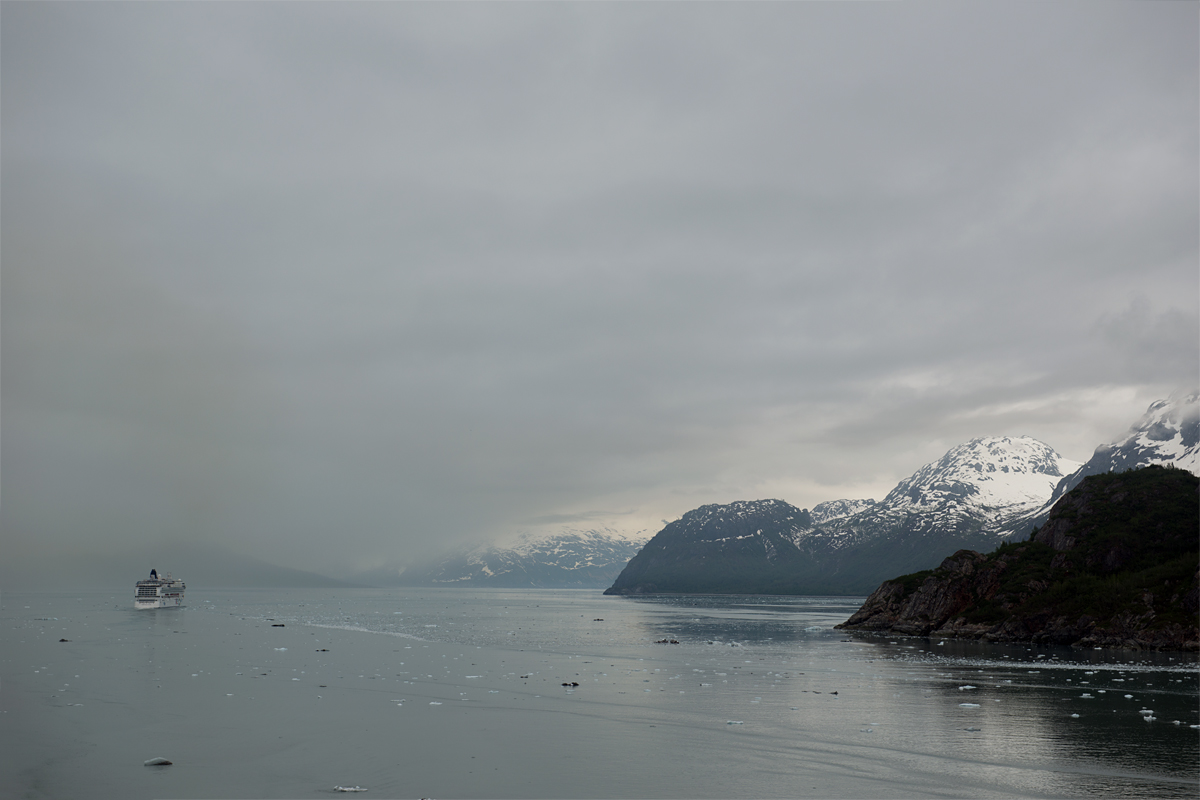
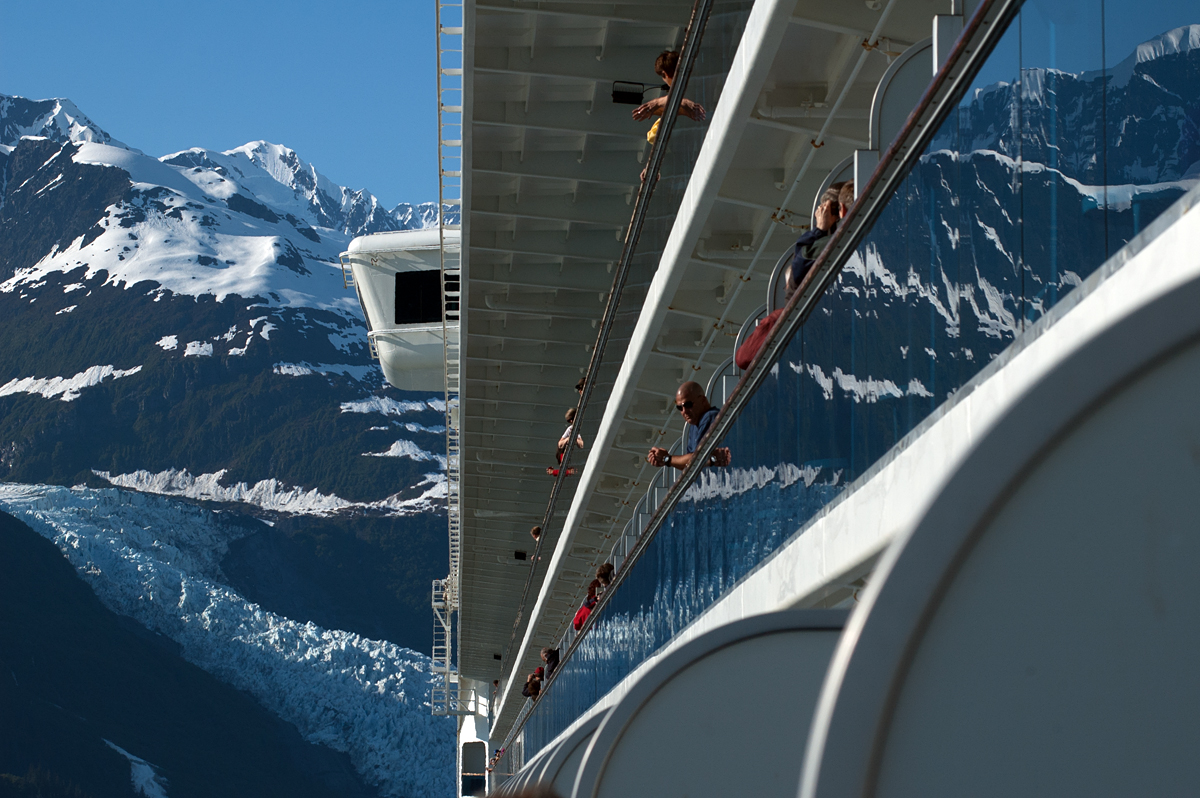
Most people think of glaciers as just mountain ice. In fact, they are rivers of packed snow. In good times, the snow/ice pack moves downwards, eventually falling into the ocean. In more modern times, they tend to be melting and receding upwards. On this trip we saw both types. The flowing ones are living things, cracking and groaning, and dropping big slabs of ice into the water. You know your ship is nearing an iceberg by the trail of ice floating down the bay.
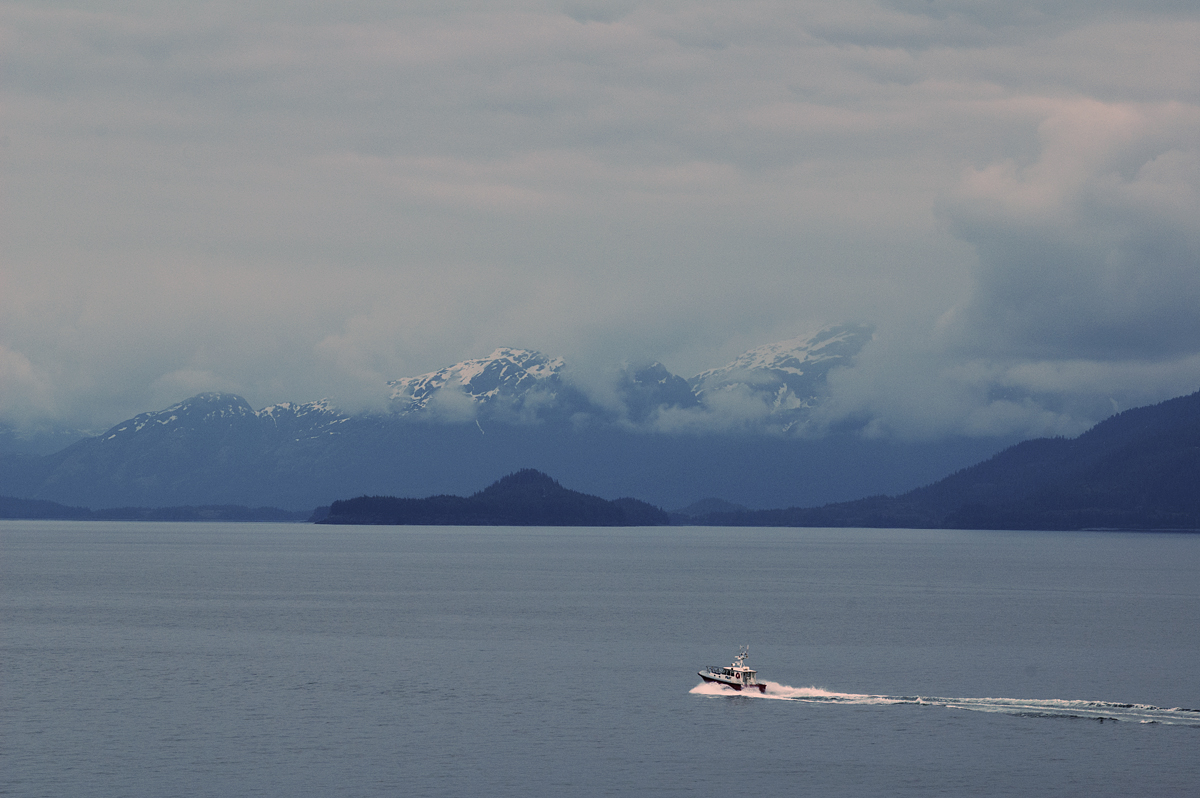
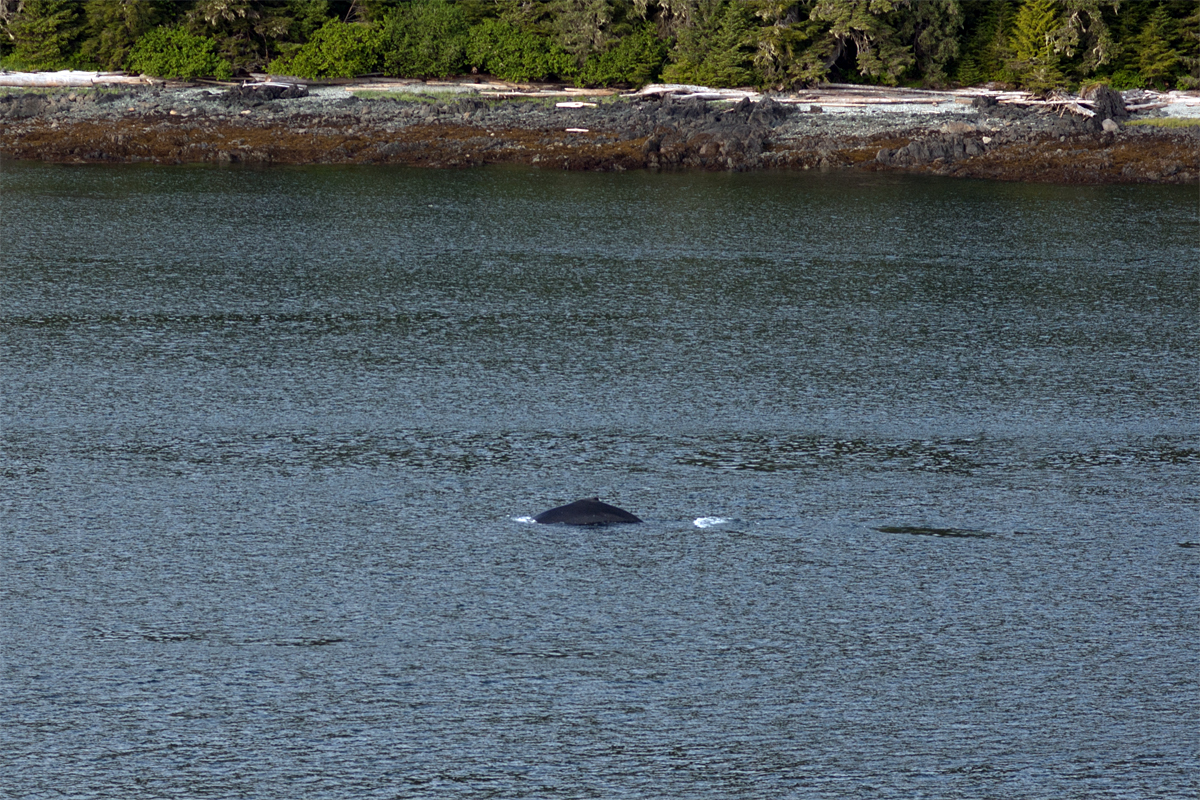
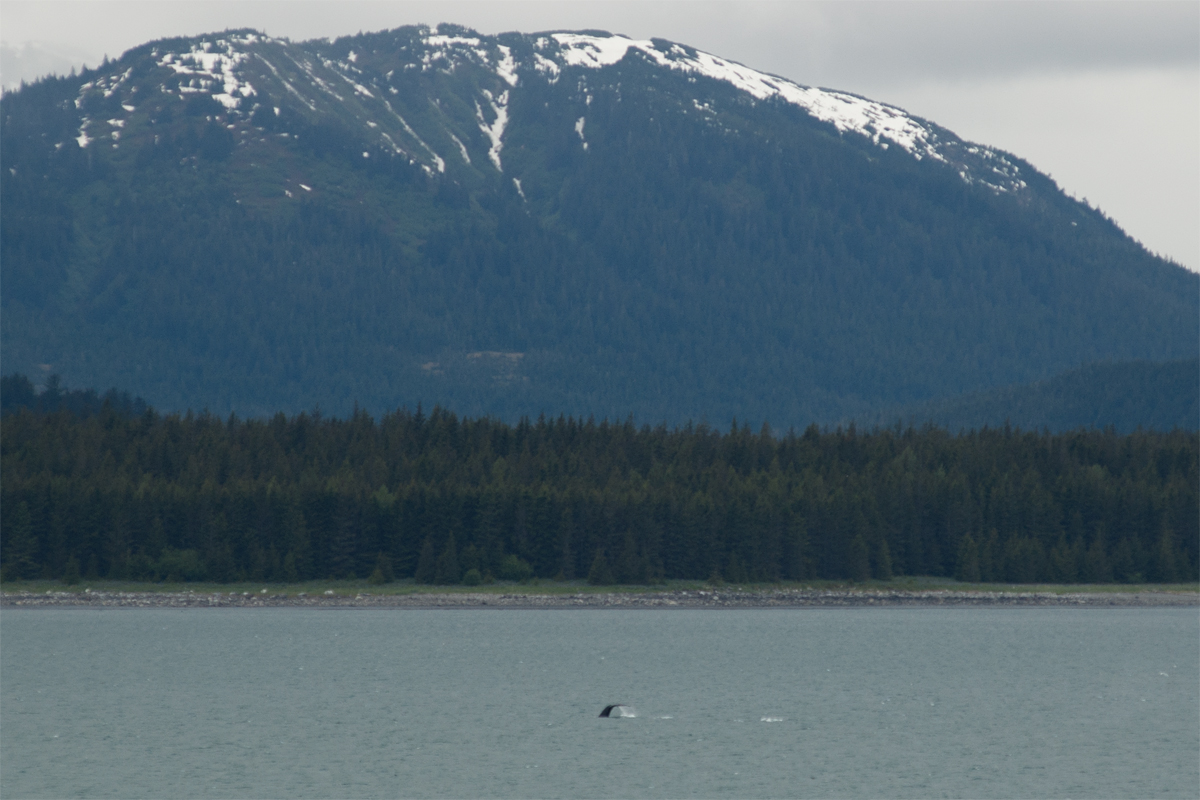
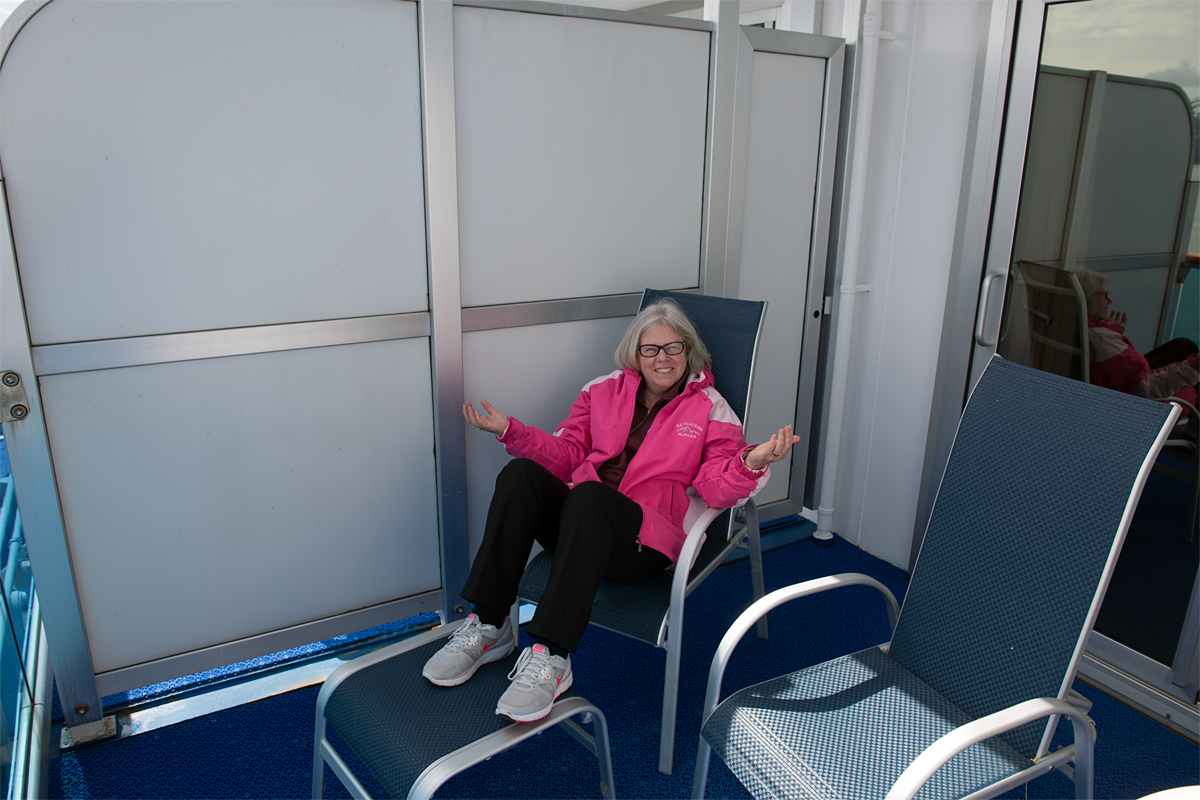
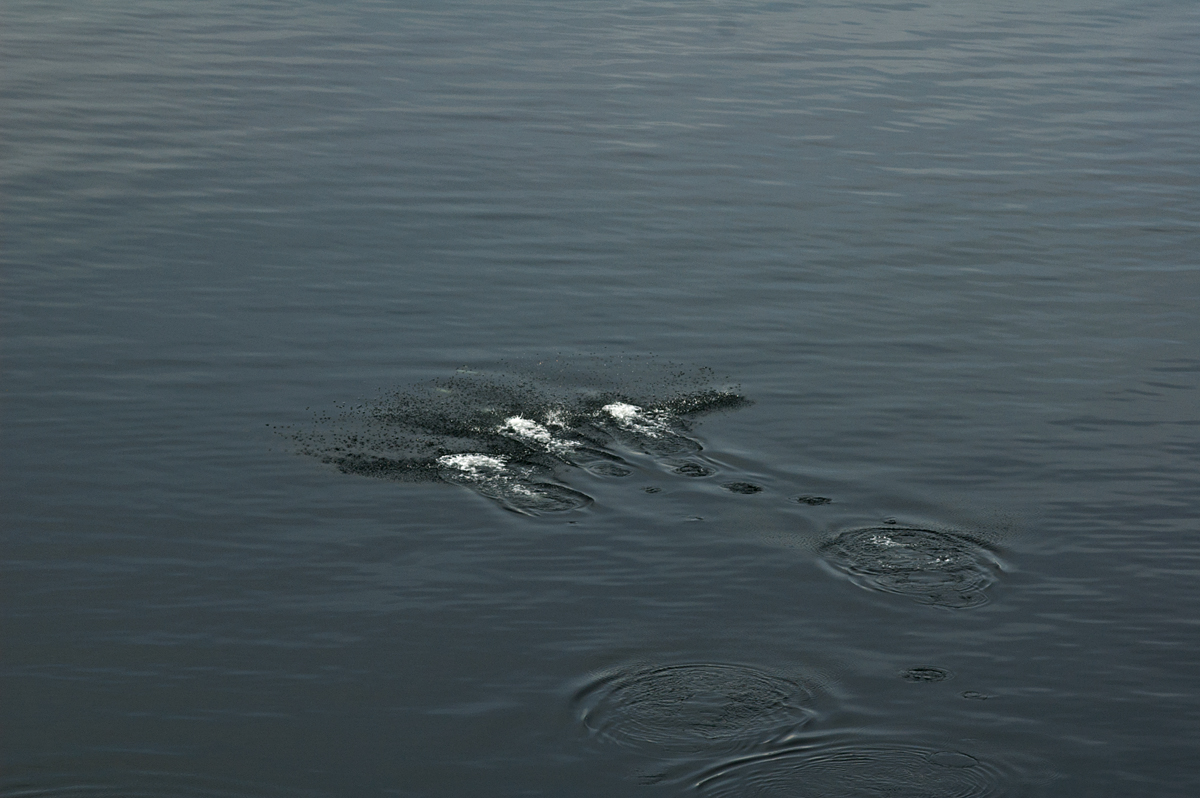
The two glacier sites we visited were reached by sailing up long fjords that proved to be great places for whale watching. We saw Humpbacks, Orcas, plus dolphins and sea otters. The photo shows Jan demonstrating the correct sign language for “Whales, get your humped asses over here”. It seemed to be effective, but then I am accustomed to coming when called.
We spent another day at sea running from Glacier Bay to College Fjord. More peace quiet and long walks around the Promenade Deck.

On to the mainland
It was a crisp, sunny afternoon as the ship spun slowly in College Fjord, giving port and starboard passengers equal face time with the glaciers. The buffet sat vacant through the noon hour, as passengers were too captivated by the sights to consider going indoors to eat. The formal dining rooms didn’t even bother opening.
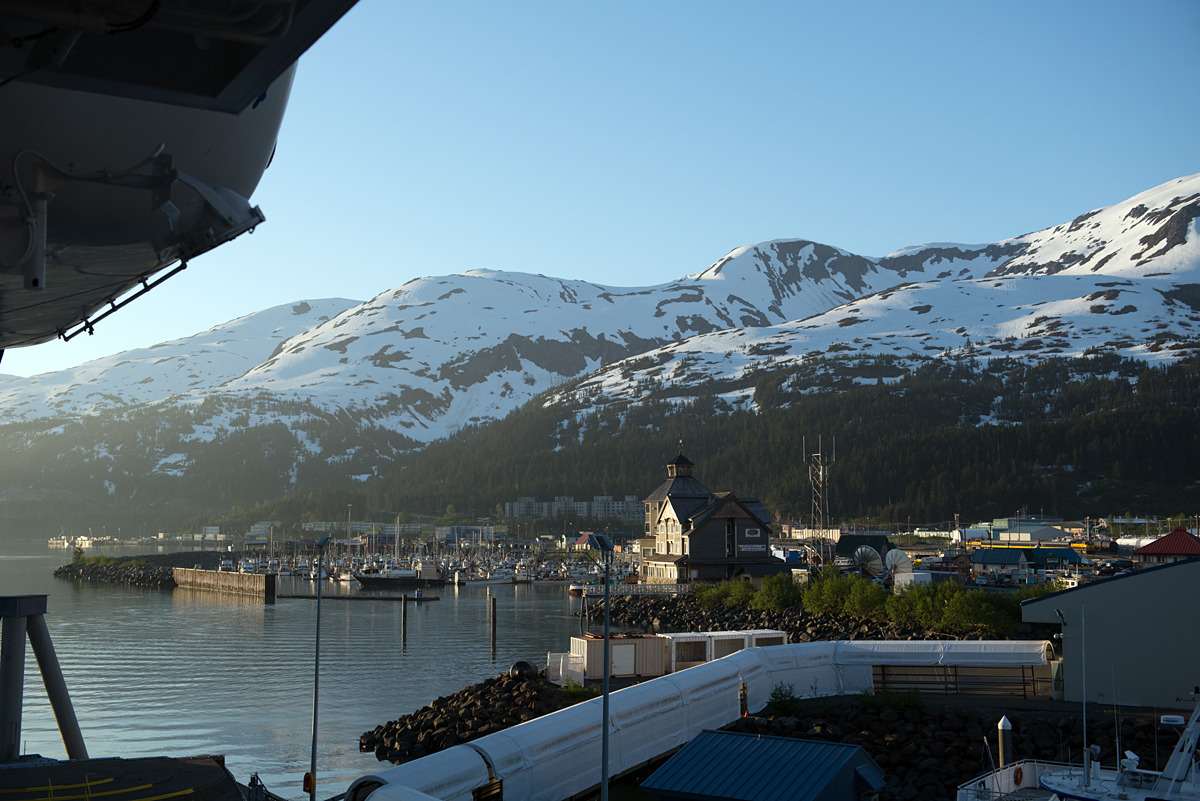
Eventually, the captain pointed the ship westward towards the port of Whittier, and it was painfully apparent that the cruise was almost over.
I had a tug of regret as we left the now-familiar fjords. It seemed to be ending all too soon. Could the next stop possibly be worth seeing, when the last ones were so wonderful and all too short? The parallel to my retirement was apparent, and so was a truth. In life, as in travel, moving forward is a good thing. If you want to reach good places, you have to leave other good places behind.
We disembarked very early on Saturday morning, heading for the cruise train that would haul us northwards into Denali. Within the hour, my regrets vanished….those new places were already appearing.
Our travels in the interior can be found in Chapter 2.
 Paul Cordingley